
- Physical Examination
- Surgical Examination
- Ophthalmology
- Clinical Skills
- Orthopedics
- Surgery Videos
- Laparoscopy
- Pediatrics
- Funny Videos
- Cardiothoracic Surgery
- Nursing Videos
- Plastic Surgery
- Otorhinolaryngology
- Histology and Histopathology
- Neurosurgery
- Dermatology
- Pediatric Surgery
- Urology
- Dentistry
- Oncology and Cancers
- Anatomy Videos
- Health and Fitness
- Radiology
- Anaesthesia
- Physical Therapy
- Pharmacology
- Interventional Radiology
- Cardiology
- Endocrinology
- Gynecology
- Emergency Medicine
- Psychiatry and Psychology
- Childbirth Videos
- General Medical Videos
- Nephrology
- Physiology
- Diet and Food Health
- Diabetes Mellitus
- Neurology
- Women Health
- Osteoporosis
- Gastroenterology
- Pulmonology
- Hematology
- Rheumatology
- Toxicology
- Nuclear Medicine
- Infectious Diseases
- Vascular Disease
- Reproductive Health
- Burns and Wound Healing
- Other
Top videos
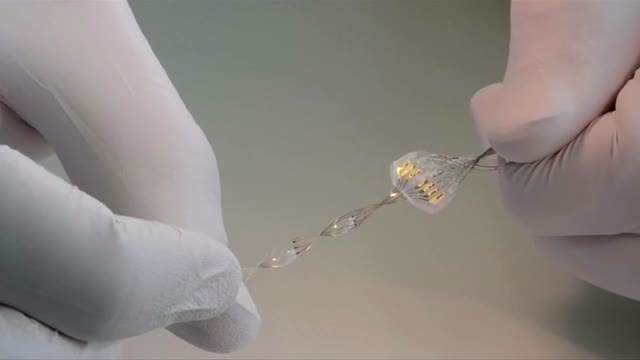

Scientists in Switzerland proved in 2012 that electrical-chemical stimulation of the spinal cord could restore lower body movement in paralysed rats.
Despite the effective diagnostic and treatment options available today, Dr. Wolfe notes that he continues to see a high number of untreated scaphoid fractures that have progressed to nonunion. However, he adds that this may not be the result of a missed diagnosis, but rather more related to the relatively innocuous injury that causes a low level of suspicion. Recognition and awareness of scaphoid fractures is higher today among primary care providers, emergency room physicians, pediatricians, and sports trainers, but fully 15% of patients with suggestive physical findings and normal initial x-rays will have an “occult”, or concealed, scaphoid fracture. Specialized imaging studies are critical at an early stage to reduce the chance of scaphoid nonunion.

The brain is made up of billions of nerve cells that are specially designed to communicate with each other. They form many connections with one another, creating an intricate network between cells.
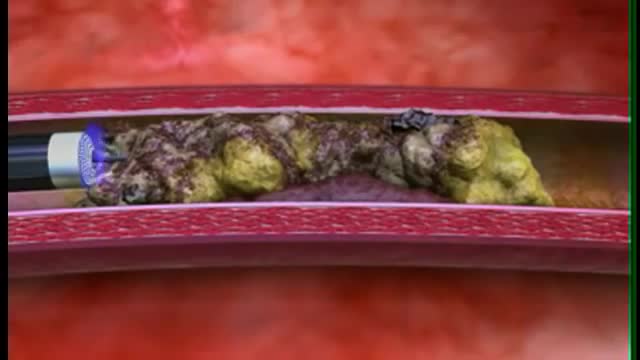
PAD laser plaque removal

Understand the cholinergic receptors once and for all!
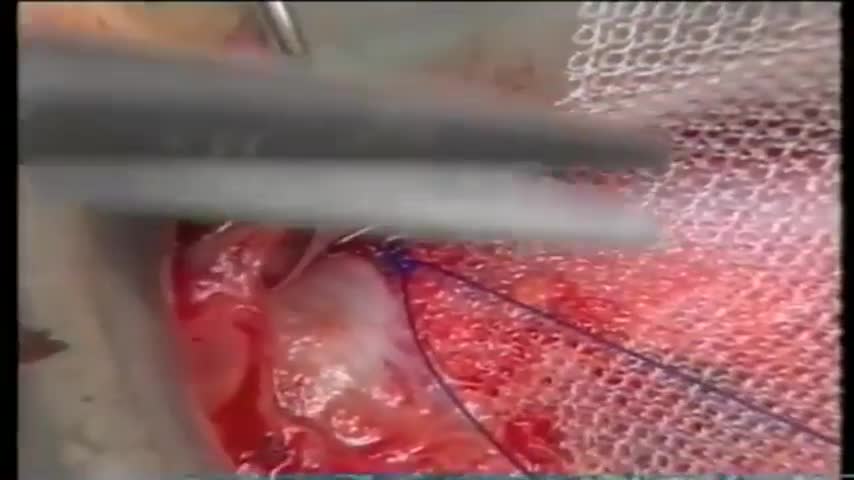
LICHTENSTEIN TENSION FREE HERNIOPLASTY FOR INDIRECT INGUINAL HERNIA
Comprehensive Cancer Center, provides definitions and terms used in cancer diagnosis and treatment. He explores the process of diagnosis from biopsies to imaging and how staging is established. He also discusses the multimodality approach to treatment which typically includes surgical oncology, medical oncology and radiation oncology. Series: "UCSF Osher Center for Integrative Medicine presents Mini Medical School for the Public

5 Minute Butt and Thigh Workout for a Bigger Butt - Exercises to Lift and Tone Your Butt and Thighs

Watching A Dentist Fix Tooth Decay Is Beyond Satisfying.

The first transplant of a bionic eye on a patient with a rare disease.

Ways to help ensure your patients and practice get the most accurate results when measuring blood pressure.
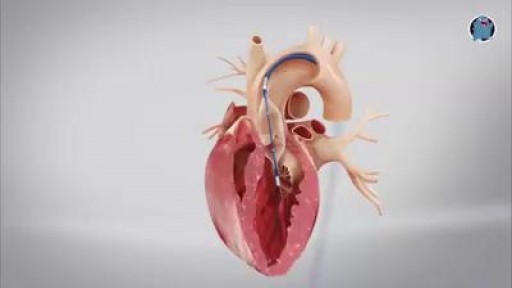
This minimally invasive surgical procedure repairs the valve without removing the old, damaged valve. Instead, it wedges a replacement valve into the aortic valve’s place. The surgery may be called a transcatheter aortic valve replacement (TAVR) or transcatheter aortic valve implantation (TAVI). Valve-within-valve — How does it work? Somewhat similar to a stent placed in an artery, the TAVR approach delivers a fully collapsible replacement valve to the valve site through a catheter. Once the new valve is expanded, it pushes the old valve leaflets out of the way and the tissue in the replacement valve takes over the job of regulating blood flow.
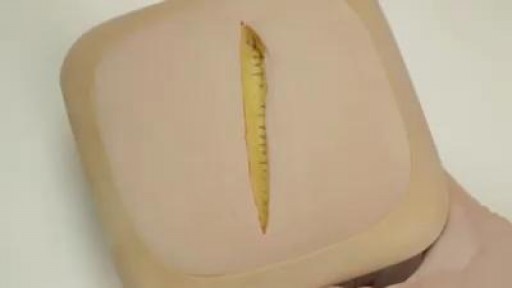
Open appendectomy (simulated)

http://cure-insomnio-para-siempre.good-info.co/ Paralisis Del Sueño, Como Combatir El Insomnio, Insomnio Tratamiento, Consejos Para Dormir Bien. https://youtu.be/kYvaazgJMv4 Seguramente después de haber leído usted se habrá hecho una pregunta clave: ¿Comer mal afecta al insomnio? La respuesta es sí. Una mala dieta es razón de suficiente para padecer de insomnio y es por ello que es importante que usted modifique sus conductas alimenticias si quiere disfrutar de un sueño reparador. La ingesta exagerada de carbohidratos y grasas puede llegar a perturbar nuestro metabolismo y dificulta nuestra digestión, haciendo de este modo, le sea imposible conciliar el sueño. ¿Se Puede Combatir El Insomnio Con Una Dieta? Lo primero que debe saber acerca de la dieta y su relación con el insomnio es que el mejor régimen para terminar con es la prevención y la planificación: haga una rutina firme, coma siempre a la misma hora y evite ingerir alimentos media hora antes dormir. También le recomiendo que no abuse de la cafeína ni de los carbohidratos. Evite además los alimentos que no sean fáciles de digerir o que le provocan algún tipo de alergia. ¿Existen Alimentos Que Combatan El Insomnio? Hay algunos elementos que pueden ayudarlo a conciliar el sueño y sentirse relajado y distendido a la hora de prepararse para el descanso. Tenga en cuenta, fundamentalmente, si usted padece de insomnio, que lo ideal es optar por una cena frugal y reposada a fin de evitar sobresaltos y condiciones que no le permitan dormir profundamente. ¿Qué Alimentos Debe Considerar Para Evitar El Insomnio? Hay una serie de alimentos concretos que usted puede considerar en si dieta para irse a la cama con la expectativa de un mejor sueño. Estos son alguno de los alimentos que debe evitar: Paralisis Del Sueño, Como Combatir El Insomnio, Insomnio Tratamiento, Consejos Para Dormir Bien

New-born baby having a bath

Watch that video to know How To Increase Testosterone Levels Naturally
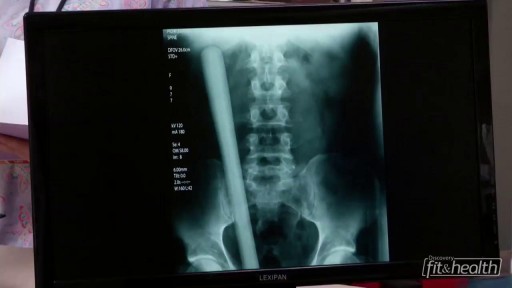
Watch that video of a Man Impaled by Shovel In His Butt Inside ER
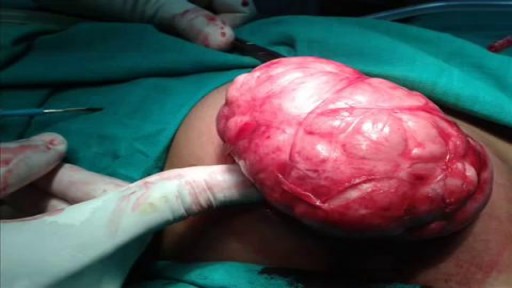
Watch that Big Size Fibrodenoma Removal Under Local Anesthesia

Transcript: Body Restoration (http://stalbertphysiotherapy.com/) has treated over 12,400 patients since it opened its doors in 1992. While embracing new technology and techniques they have not left behind the basic tenets of hands-on healing. If you are injured or have chronic pain, the mission is to help you live pain-free. Relief is a click or a phone call away. Come in for your no obligation exam and find out what will work for you.

http://tipps-gegen-cellulite.good-info.co --- Hausmittel Gegen Cellulite, Was Tun Gegen Cellulite Am Po Und Oberschenkel, Cellulite Po. Kann Man Cellulite Beseitigen? Aus offensichtlichen Gründen wollen alle Frauen Cellulite reduzieren. Neben dem unschönen Aussehen verschlechtert Cellulite deutlich die Sicherheit und das Selbstwertgefühl von Frauen. Fast alle Frauen leiden, gelitten haben oder werden die "Orangenhaut" an irgendeinem Punkt in ihrem Leben leiden. Die Suche nach einer Lösung für dieses Problem ist immer in den Köpfen der Frauen gewesen. Um diese Suche zu erfüllen wurden verschiedene Produkte und Cremen entwickelt. Leider sind alle diese Produkte eine Lüge, weil sie nicht wirklich Cellulite reduzieren, sie sind abe reine vorübergehende Lösung, die unsere Haut entzündet und die Cellulite für eine bestimmte Zeit versteckt. Diese partielle Lösungen machen uns Sklaven dieser Produkte, die uns dazu zwingen, um sie lebenslang zu konsumieren. Abgesehen von das, was die Websites oder Informationen Quellen sagen, ist Cellulite nicht eine andere Art von Fett und es ist auch nicht durch eine schlechte Durchblutung oder Flüssigkeitsretention verursacht. Cellulite ist nicht anders als gewöhnliche Fett, das aus dem Gewebe herausragt, und das ist der Grund, warum es diesen Aussehen von "Brunnen" haben. Wenn alle Produkte nicht funktionieren? Wie beseitige ich meine Cellulite? Nun, um Ihre Cellulite zu reduzieren, ist es sehr wichtig die ursächlichen Faktoren zu behandeln. Wie oben erwähnt, ist die Hauptursache hormonellen Ungleichgewichten, die die Kollagenfasern der Haut abbauen und die Fettspeicherung im Körper erhöhen. Um die Situation zu kontrollieren, müssen Sie einige Änderungen in Ihrem täglichen Leben und täglichen Ernährung machen. Es ist ganz einfach: wenn Sie eine richtige Ernährung führen und Sie kombiniert es mit der richtige Art von Übungen, wird Ihre Cellulite verschwinden. Sie sollen langsame kardiovaskulären Übungen in Zusammenhang mit Widerstand Übungen machen. Wenn Sie diese Aktivitäten in Ihrem täglichen Leben zusammen mit einer gesunden Ernährung kombiniert können, dann können Sie Ihr hormonelle Veränderungen unter Kontrolle haben. Klicken Sie hier, um mehr zu erfahren http://tipps-gegen-cellulite.good-info.co
