
- Physical Examination
- Surgical Examination
- Ophthalmology
- Clinical Skills
- Orthopedics
- Surgery Videos
- Laparoscopy
- Pediatrics
- Funny Videos
- Cardiothoracic Surgery
- Nursing Videos
- Plastic Surgery
- Otorhinolaryngology
- Histology and Histopathology
- Neurosurgery
- Dermatology
- Pediatric Surgery
- Urology
- Dentistry
- Oncology and Cancers
- Anatomy Videos
- Health and Fitness
- Radiology
- Anaesthesia
- Physical Therapy
- Pharmacology
- Interventional Radiology
- Cardiology
- Endocrinology
- Gynecology
- Emergency Medicine
- Psychiatry and Psychology
- Childbirth Videos
- General Medical Videos
- Nephrology
- Physiology
- Diet and Food Health
- Diabetes Mellitus
- Neurology
- Women Health
- Osteoporosis
- Gastroenterology
- Pulmonology
- Hematology
- Rheumatology
- Toxicology
- Nuclear Medicine
- Infectious Diseases
- Vascular Disease
- Reproductive Health
- Burns and Wound Healing
- Kidney Zone Podcast
- Other
GERD (Acid Reflux)
GERD, or gastroesophageal reflux disease, happens when stomach acid repeatedly flows back into the food pipe, causing heartburn and other symptoms. This page explains GERD in plain language, with videos covering causes, diagnosis, and treatment.
✓ Medically reviewed by Dr. Mohamed Ibrahim, MD, PhD — physician-scientist · Last reviewed: November 2026
In short: Occasional acid reflux is common, but GERD is reflux that happens often or causes complications. A weak or relaxing valve at the top of the stomach lets acid rise. Care usually combines lifestyle changes with acid-reducing medicines, decided with a clinician.
Watch: GERD (Acid Reflux) videos



Read: the plain-language guide
Overview
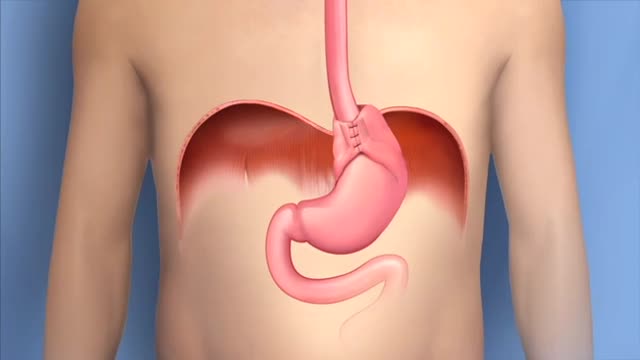
A ring of muscle at the lower end of the food pipe, called the lower esophageal sphincter, normally closes after food passes into the stomach. If it weakens or relaxes at the wrong times, acid and stomach contents can flow upward. Repeated exposure irritates the lining of the food pipe, producing heartburn and sometimes inflammation, narrowing, or changes in the lining over time. GERD is more than occasional reflux: symptoms are frequent, troublesome, or damaging. Many people improve with lifestyle measures and medicines, but persistent symptoms should be assessed rather than simply endured.
Symptoms
The hallmark symptom is heartburn, a burning feeling in the chest that often follows meals or lying down. Many people also bring up sour-tasting fluid or food, called regurgitation. Other symptoms include difficulty or pain when swallowing, a feeling of a lump in the throat, and a persistent cough. GERD can worsen asthma symptoms, cause hoarseness or a sore throat, and disturb sleep. Chest discomfort from reflux can feel similar to heart-related pain, which is one reason new or severe chest pain should always be checked urgently rather than assumed to be reflux.
Causes & risk factors
GERD develops when the barrier between the stomach and food pipe does not work well and stomach contents move upward. A hiatal hernia, in which part of the stomach pushes up through the diaphragm, can contribute. Extra weight increases pressure on the abdomen, and pregnancy can have a similar effect. Smoking, alcohol, large meals, and lying down soon after eating can worsen reflux. Certain foods, such as fatty or spicy meals, citrus, and caffeine, trigger symptoms in some people. Some medicines can also relax the valve or irritate the food pipe.
How it's diagnosed
Clinicians often diagnose GERD from the pattern of symptoms and how they respond to treatment. If symptoms persist, are severe, or include warning signs, further testing may be recommended. An upper endoscopy uses a thin camera to look at the food pipe and stomach and check for inflammation or other problems. In some cases, a test that measures acid in the food pipe over a day helps confirm reflux. Testing also helps exclude other causes of chest or swallowing symptoms, such as ulcers, gallstones, or heart disease.
Treatment overview
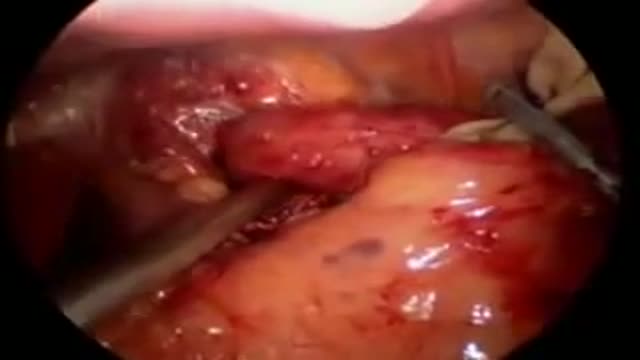
Treatment usually starts with lifestyle steps: eating smaller meals, avoiding late meals, raising the head of the bed, losing weight if relevant, and stopping smoking. Medicines that reduce stomach acid, such as proton pump inhibitors and H2 blockers, are commonly used, along with antacids for short-term relief in some people. The choice and length of treatment are individual and decided with a clinician, especially if symptoms continue. For selected people with severe or complicated disease, or who cannot rely on long-term medicines, procedures or surgery to strengthen the valve may be discussed with a specialist.
When to seek care
Seek urgent care for chest pain or pressure, especially with breathlessness, sweating, or pain spreading to the arm or jaw. Get prompt assessment for difficulty swallowing, food sticking, vomiting blood, black stools, unintentional weight loss, or persistent vomiting. These can signal complications or another serious condition and should not be managed with self-treatment alone.
Frequently asked questions
What is the difference between acid reflux and GERD?
Acid reflux is the backward flow of stomach acid into the food pipe, and occasional episodes are common. GERD is the disease form, where reflux happens frequently, causes troublesome symptoms, or damages the food pipe over time.
Can GERD damage the food pipe permanently?
Untreated, repeated acid exposure can inflame, narrow, or change the lining of the food pipe. These changes raise the risk of swallowing problems and, in the changed lining, more serious disease, which is why persistent symptoms deserve assessment.
Which foods make GERD worse?
Triggers vary from person to person. Fatty or large meals, spicy foods, citrus, tomato, caffeine, alcohol, and eating close to bedtime commonly worsen symptoms. Keeping note of personal triggers is more useful than following strict general lists.
Will I need medicine for life?
Not necessarily. Some people need only short courses plus lifestyle changes, while others with frequent or complicated disease need longer treatment. Any long-term plan, and any step-down in treatment, is individual and best reviewed with a clinician.
More in Digestive
Related topics on MedicalVideos.com
Sources & further reading
Authoritative references for readers who want to go deeper:
- MedlinePlus: GERD
- NHS: Heartburn and Acid Reflux
- American College of Gastroenterology: GERD (Acid Reflux) (American College of Gastroenterology)
This page is for general education only and is not medical advice. Chest pain should never be assumed to be reflux — new, severe, or pressure-like chest pain needs urgent assessment to rule out a heart problem.