
- Physical Examination
- Surgical Examination
- Ophthalmology
- Clinical Skills
- Orthopedics
- Surgery Videos
- Laparoscopy
- Pediatrics
- Funny Videos
- Cardiothoracic Surgery
- Nursing Videos
- Plastic Surgery
- Otorhinolaryngology
- Histology and Histopathology
- Neurosurgery
- Dermatology
- Pediatric Surgery
- Urology
- Dentistry
- Oncology and Cancers
- Anatomy Videos
- Health and Fitness
- Radiology
- Anaesthesia
- Physical Therapy
- Pharmacology
- Interventional Radiology
- Cardiology
- Endocrinology
- Gynecology
- Emergency Medicine
- Psychiatry and Psychology
- Childbirth Videos
- General Medical Videos
- Nephrology
- Physiology
- Diet and Food Health
- Diabetes Mellitus
- Neurology
- Women Health
- Osteoporosis
- Gastroenterology
- Pulmonology
- Hematology
- Rheumatology
- Toxicology
- Nuclear Medicine
- Infectious Diseases
- Vascular Disease
- Reproductive Health
- Burns and Wound Healing
- Kidney Zone Podcast
- Other
Heart Failure
Heart failure means the heart cannot pump blood as well as the body needs, causing breathlessness, tiredness, and fluid buildup. This page explains heart failure symptoms, causes, and treatment in plain language, with videos to support understanding.
✓ Medically reviewed by Dr. Mohamed Ibrahim, MD, PhD — physician-scientist · Last reviewed: November 2026
In short: Heart failure does not mean the heart has stopped; it means its pumping or filling is impaired, often after damage from other conditions. Modern medicines and devices can ease symptoms, prevent hospital stays, and help many people live longer.
Watch: Heart Failure videos

Read: the plain-language guide
Overview
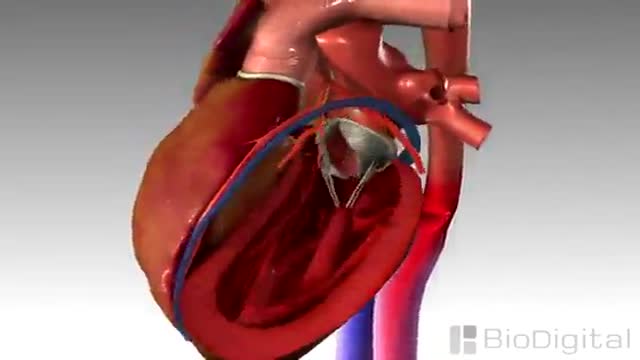
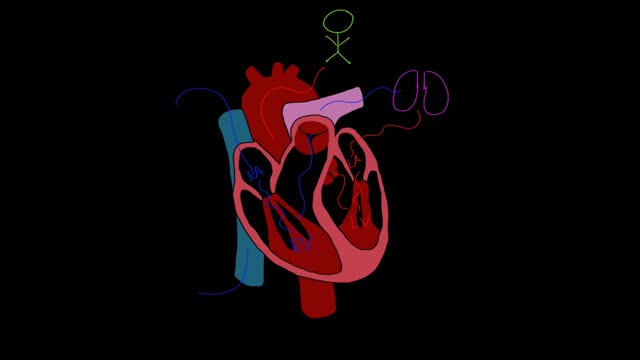
The heart is a pump that must fill with blood and squeeze it out to the body with every beat. In heart failure, the muscle may become weak and stretched, so it pumps less effectively, or stiff, so it fills poorly. Either way, blood can back up into the lungs and body tissues, causing congestion, while organs receive less than they need. Heart failure is a long-term condition that ranges from mild to advanced, and its course varies. With current treatment, many people remain stable for long periods, especially when the underlying cause is also treated.
Symptoms
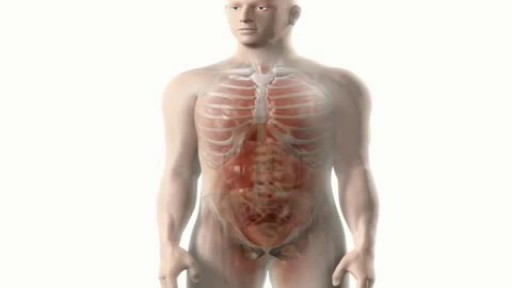
Breathlessness is a central symptom, appearing with activity, when lying flat, or waking people at night. Many notice unusual tiredness and reduced ability to exercise. Fluid buildup causes swollen ankles, feet, or legs, rapid weight gain over days, and sometimes abdominal swelling. Other signs include a persistent cough or wheeze, a fast or irregular heartbeat, poor appetite, and difficulty concentrating. Symptoms can build slowly or worsen suddenly during a flare, when congestion increases quickly. Because these symptoms overlap with lung and other conditions, proper assessment is important rather than assuming the cause.
Causes & risk factors
Heart failure usually results from conditions that damage or overload the heart over time. Coronary artery disease, including after a heart attack, is a leading cause. Long-standing high blood pressure forces the heart to work harder until it stiffens or weakens. Other causes include heart valve disease, abnormal heart rhythms such as atrial fibrillation, heart muscle diseases, diabetes, thyroid problems, and harmful alcohol use. Sometimes several factors combine. Identifying and treating the underlying cause is a key part of care, since it can slow or sometimes partly improve the heart's function.
How it's diagnosed
Assessment combines the history and examination with tests. Blood tests, including one that measures a hormone released when the heart is stretched, help support or argue against the diagnosis. An electrocardiogram records the heart's rhythm and electrical activity. The key test is usually an echocardiogram, an ultrasound of the heart that shows how well it pumps and how the valves work. Chest imaging and further tests may look for the cause, such as blocked coronary arteries. Together these results classify the type of heart failure and guide which treatments are most appropriate.
Treatment overview
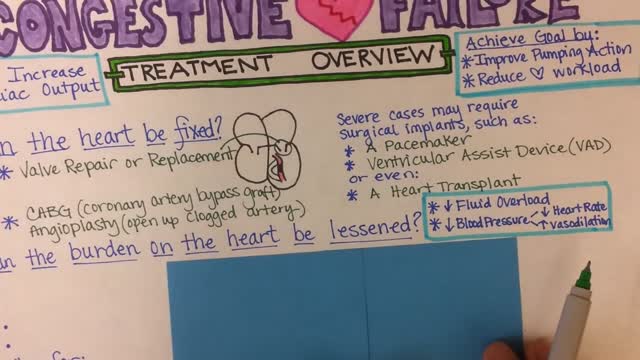
Several medicine classes improve symptoms and outcomes in heart failure, including those that reduce strain on the heart, remove excess fluid, and block harmful hormone effects. The exact combination depends on the type of heart failure and is individual, decided and adjusted with a clinician. Treating the cause matters too, for example controlling blood pressure, rhythm, or valve disease. Some people benefit from implanted devices that support rhythm or pumping coordination, or from procedures on valves or arteries. Daily weight checks, salt awareness, activity as advised, and vaccination also support stability.
When to seek care
Seek urgent help for severe breathlessness, breathlessness at rest or when lying flat that does not ease, chest pain, fainting, or coughing up pink frothy sputum. Rapid weight gain over a few days, sharply increasing swelling, or much reduced urine output should prompt same-day advice. Sudden worsening can develop quickly and responds best to early treatment.
Frequently asked questions
Does heart failure mean the heart stops working?
No. Heart failure means the heart cannot pump or fill well enough to meet the body's needs, not that it has stopped. Many people live for years with the condition, especially with modern treatment and follow-up.
Can heart failure get better?
Symptoms and heart function can improve, sometimes substantially, when the cause is treated and medicines are optimized. Even when function does not fully recover, treatment commonly reduces breathlessness, hospital admissions, and the risk of the condition worsening.
Why do I need to weigh myself regularly?
A rapid rise in weight over a few days often means fluid is building up before other symptoms become obvious. Daily weights give an early warning, allowing treatment to be adjusted sooner and sometimes preventing a hospital admission.
Can I exercise with heart failure?
Most people are encouraged to stay as active as they comfortably can, and structured cardiac rehabilitation helps many. The right level is individual and should be agreed with the care team, especially after a recent worsening.
More in Heart & Circulation
Related topics on MedicalVideos.com
Sources & further reading
Authoritative references for readers who want to go deeper:
- MedlinePlus: Heart Failure
- American Heart Association: Heart Failure (American Heart Association)
- NHS: Heart Failure
This page is for general education only and is not medical advice. Severe breathlessness, breathlessness lying flat that does not ease, chest pain, or fainting with heart failure needs emergency assessment.