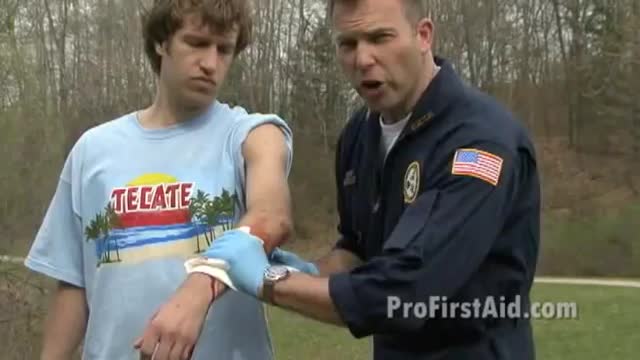
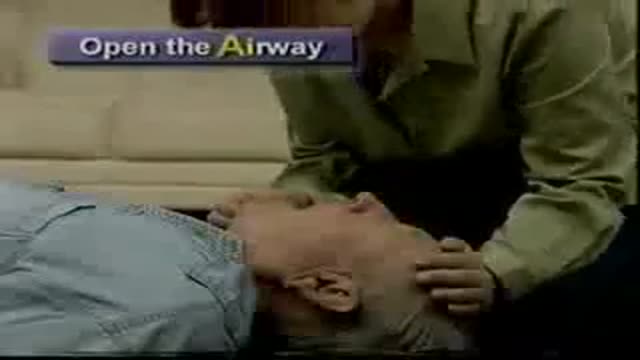
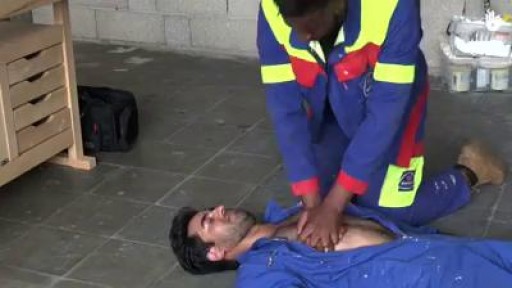
The first minutes of an emergency belong to whoever is standing there — and on a ward, that is usually a nurse. This cluster collects our emergency-basics videos: controlling severe bleeding, adult CPR, using an AED, first aid for choking, and recognising anaphylaxis, each with a Key Steps checklist on its video page. If you are facing a real emergency now, call your local emergency number first.
Emergency skills decay without rehearsal, which is why they are drilled and re-certified on a cycle. The videos below are revision material between courses — they summarise the standard sequences taught in basic life support and first aid training. Certification and your local resuscitation council guidelines govern practice; this page does not replace them.
What is the difference between CPR and using an AED?
CPR (cardiopulmonary resuscitation) is manual: chest compressions — with rescue breaths for those trained — that keep blood moving to the brain and heart when the heart has stopped. An AED (automated external defibrillator) is a device that analyses the heart rhythm and, if it finds a shockable rhythm, delivers a shock to try to restart a normal rhythm. The two are used together: compressions continue while the AED is applied and between its analyses.
What are the signs of anaphylaxis?
Anaphylaxis is a severe, rapid allergic reaction. Warning signs include difficulty breathing or noisy breathing, swelling of the lips, tongue or throat, widespread hives or flushing, dizziness or collapse, and sometimes vomiting or abdominal pain. It is treated as an emergency: call emergency services immediately and follow your local anaphylaxis protocol.
How long should hand hygiene take?
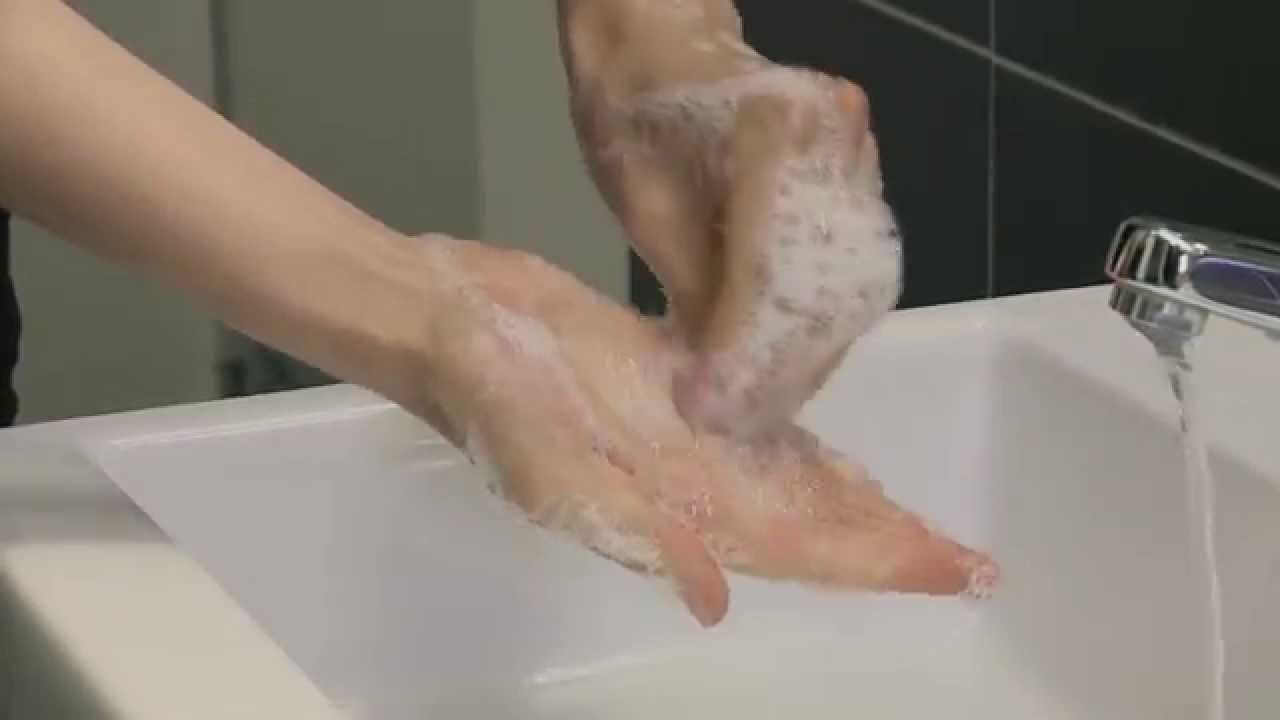
For handwashing with soap and water, public and clinical guidance describes a thorough wash of around 40–60 seconds covering all surfaces of the hands; alcohol hand rub is applied until dry, around 20–30 seconds, when hands are not visibly soiled. The technique — covering palms, backs, between fingers and thumbs — matters as much as the timing.
This page is for general education only and is not medical advice. Procedures should be performed only by trained staff following their institution's protocols.