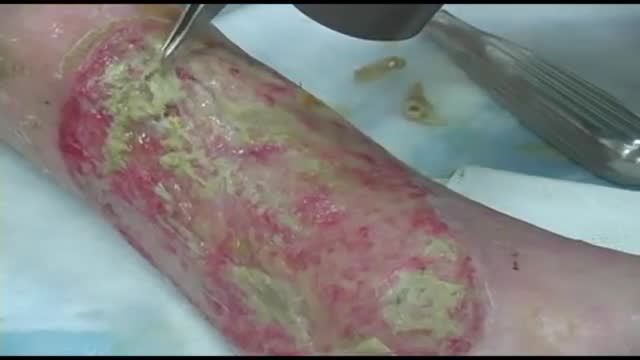
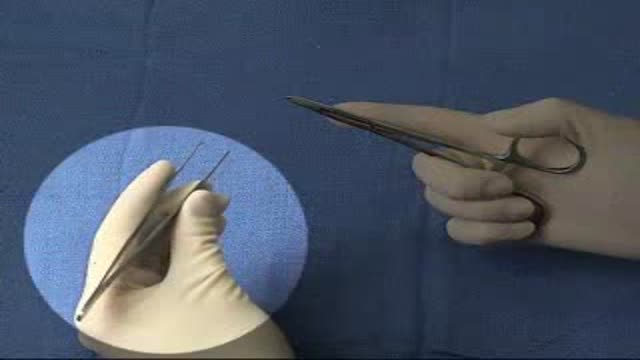
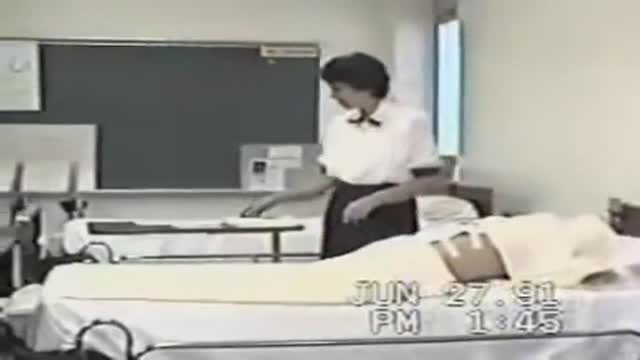
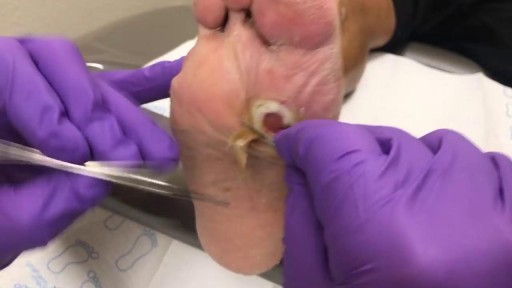
Wound care is everyday nursing: cleaning the wound bed, choosing and changing dressings, and bandaging that stays comfortable and secure. This cluster collects our clearest wound demonstrations — wound cleaning, a sterile dressing change, bandage applications, suturing technique and a diabetic foot debridement — each with a Key Steps checklist on its video page.
Good wound care starts with assessment: the wound's size, depth, tissue type, moisture and surrounding skin guide every choice that follows, and the assessment is documented at each dressing change. The videos below show technique in sequence; dressing selection follows the wound assessment and your local formulary and protocol.
How often should a wound dressing be changed?
There is no single schedule — it depends on the wound, the dressing type and how much fluid the wound produces. Some dressings are designed to stay in place for several days, while a heavily leaking or infected wound may need daily attention. The care plan set for the individual wound governs the timing.
What does sterile technique mean in a dressing change?
It means working so that the wound and the sterile dressing surfaces touch nothing that is not sterile: hands are washed, a sterile field is set up, sterile gloves and instruments are used as the protocol requires, and anything contaminated is replaced rather than carried on with. It lowers the chance of introducing infection into an open wound.
What is wound debridement?
Debridement is the removal of dead or devitalised tissue from a wound bed, because dead tissue slows healing and can shelter infection. It can be done in several ways — by the body's own processes under dressings, with instruments, or surgically — and the method chosen depends on the wound and the patient's overall condition.
This page is for general education only and is not medical advice. Procedures should be performed only by trained staff following their institution's protocols.