
Urinary catheterisation is one of the most frequently performed — and most closely audited — nursing procedures, because sterile technique at insertion is the main defence against catheter-associated infection. This cluster collects our most-watched Foley catheter demonstrations for male and female patients, plus enema administration, each with a Key Steps checklist on its video page.
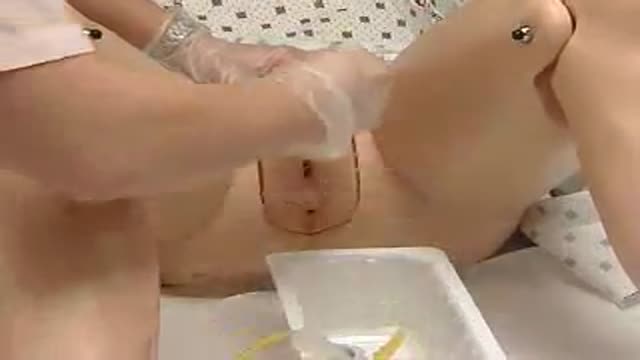 <![CDATA[Foley Catheter Insertion in Men and Women: Step-by-Step Guide]]>
306,428 views
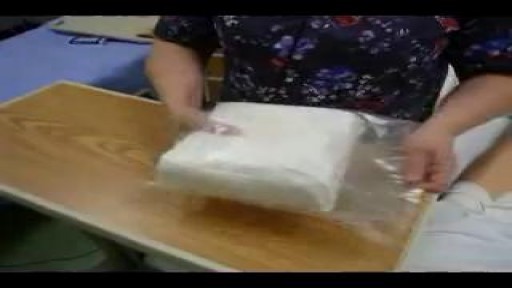 <![CDATA[Male Urinary Catheterization: A Nursing Procedure Demonstration]]>
240,648 views
 <![CDATA[Foley Catheter Insertion: Technique and Sterile Procedure]]>
207,859 views
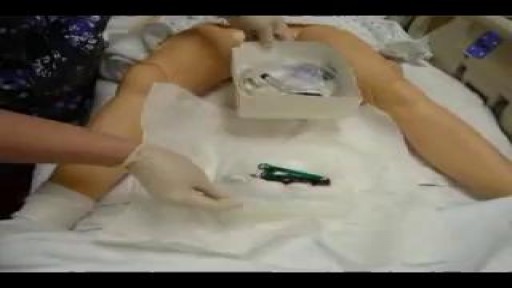 <![CDATA[Foley Catheter]]>
169,722 views
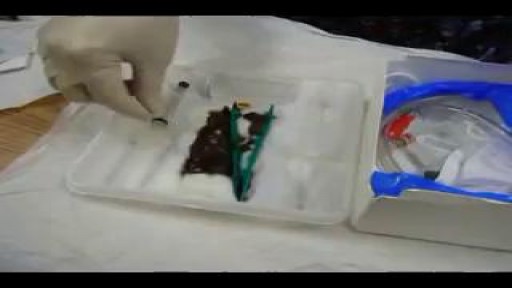 <![CDATA[Insert Foley Catheter]]>
142,440 views
 <![CDATA[Enema]]>
138,133 views
Every catheter decision has two parts: inserting with strict sterile technique, and reviewing daily whether the catheter is still needed at all. The demonstrations below focus on the insertion sequence — preparation, draping, cleaning, advancement and securing — which should always be read alongside your local catheterisation protocol.
Why is sterile technique so important for Foley catheter insertion?
A urinary catheter gives bacteria a direct path into the bladder, and catheter-associated urinary tract infection is one of the most common healthcare infections. Sterile equipment, a sterile field and careful cleaning before insertion — plus a closed drainage system and daily review of whether the catheter is still needed — are the main defences.
How are Foley catheter sizes measured?
Catheters are sized on the French (Fr or Ch) scale, which describes the tube's outer circumference — roughly, the French size divided by three gives the diameter in millimetres. The smallest size that will drain effectively is generally chosen, and balloon volumes are printed on the catheter packaging.
When is an enema given?
An enema introduces fluid into the rectum and lower bowel, most often to relieve constipation or to clear the bowel before a procedure or examination. It is given when it is prescribed or included in the patient's care plan, after checking for reasons it should not be used, and its effect is documented afterwards.
This page is for general education only and is not medical advice. Procedures should be performed only by trained staff following their institution's protocols.