Respiratory care spans some of nursing's highest-vigilance skills: chest drains that must never be clamped or lifted carelessly, tracheostomies that need suction readiness at all times, and breathing exercises that prevent complications after surgery. This cluster collects our chest tube, tracheostomy, CPAP and incentive spirometry videos, each with a Key Steps checklist on its video page.
The nursing work around these devices is observation and readiness: watching the drainage system behave as expected, keeping emergency equipment at the bedside, and recognising the change that needs escalation. The videos below show the procedures and equipment in sequence; device-specific checks follow your local protocol and the manufacturer's instructions.
What does a chest tube drainage system do?
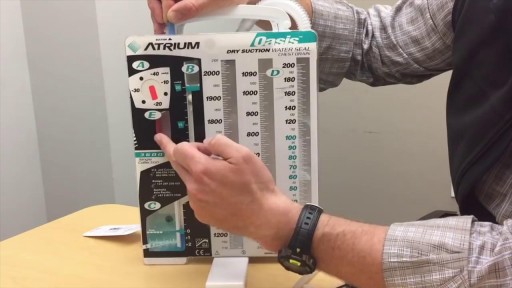
A chest tube drains air, blood or fluid from the space around the lung so the lung can fully expand. The drainage system keeps a one-way seal — usually a water seal — so air can leave but not re-enter. Nurses monitor the drainage, the water seal and the tubing, and report changes such as a sudden increase in drainage or continuous vigorous bubbling.
What is a tracheostomy?
A tracheostomy is an opening made in the front of the neck into the windpipe (trachea), with a tube placed through it to keep the airway open. It may be temporary or long-term, and it is used when a person needs prolonged breathing support or cannot protect or clear their own airway. Care focuses on keeping the tube clear, secure and the surrounding skin healthy.
What is incentive spirometry?
An incentive spirometer is a handheld device that encourages slow, deep breaths by giving visual feedback as the patient inhales. It is used mainly after surgery or during immobility to help re-expand the lungs and reduce the risk of chest complications. Nurses teach the technique and set how often it is used as part of the care plan.
This page is for general education only and is not medical advice. Procedures should be performed only by trained staff following their institution's protocols.