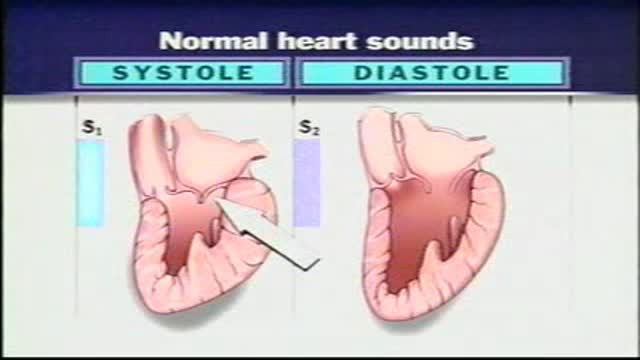
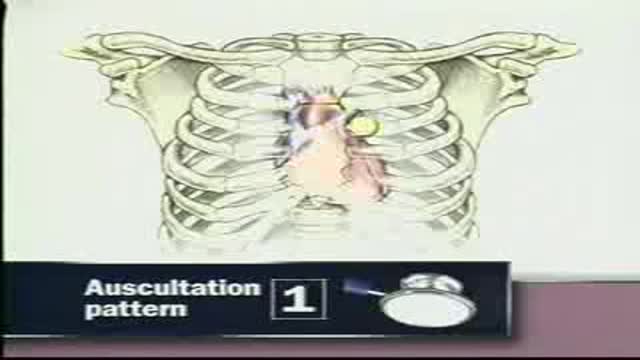
Assessment is the skill every other nursing decision depends on: measure accurately, recognise what is normal, and notice the change. This cluster collects our vital-signs, heart-sound and ECG videos — blood pressure and pulse technique, auscultation, normal heart sounds, a pediatric head-to-toe assessment, and two ECG reading walkthroughs — each with a Key Steps checklist on its video page.
Good assessment is systematic: the same sequence every time, compared against the patient's own baseline and previous readings, not just a textbook range. The videos below show technique and interpretation in sequence; early-warning scoring and escalation follow your local system and protocol.
What are the main vital signs?
The core vital signs are temperature, pulse (heart rate), respiratory rate, blood pressure and oxygen saturation, with pain often assessed alongside them and level of consciousness added in neurological observation. Together they give a quick, repeatable picture of a patient's basic physiology and how it is trending.
What does an ECG record?
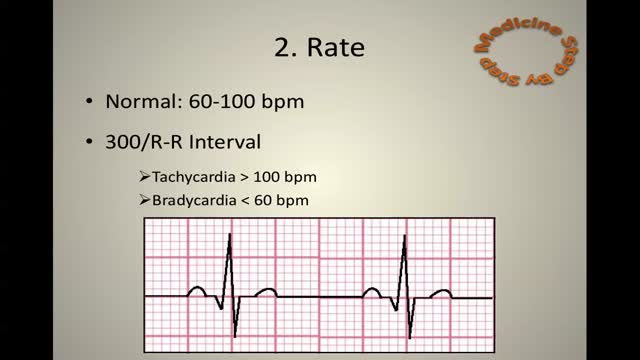
An ECG (electrocardiogram) records the heart's electrical activity through electrodes on the skin. Each heartbeat's electrical wave produces the familiar tracing, from which the rate, rhythm and various intervals can be read. A standard diagnostic ECG uses 12 leads — ten electrodes giving twelve views of the same electrical signal.
What is a head-to-toe assessment?
A head-to-toe assessment is a structured physical examination that works systematically from head to toe — general appearance and consciousness, then each body system in turn — so nothing is skipped. It establishes a baseline on admission and is repeated in focused form whenever a patient's condition changes.
This page is for general education only and is not medical advice. Procedures should be performed only by trained staff following their institution's protocols.