
Helping patients move safely — out of bed, into a chair, and walking with aids — prevents falls, pressure damage and deconditioning, and it is where most patient-handling injuries happen when technique slips. This cluster collects transfer, positioning, bed-making and gait-aid demonstrations from our catalog and from credentialed nursing educators, each with a Key Steps checklist on its video page.
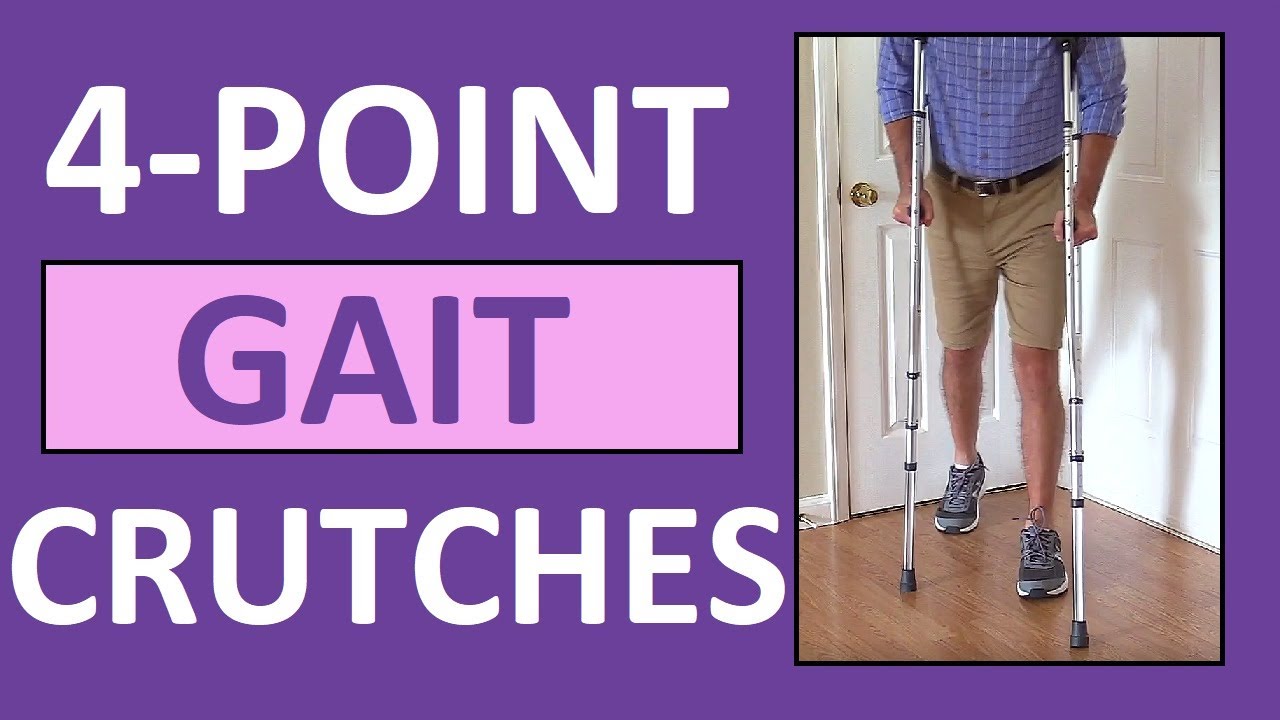 <![CDATA[4-Point Gait Crutches Walking Pattern Demonstration Nursing Skill]]>
 <![CDATA[Occupied Bed Making: Clinical Nursing Skills | @LevelUpRN]]>
 Stand Pivot Bed to Chair - No Assistive Device
 Bed to Wheelchair with Board - Finding Your Feet and NHS Scotland
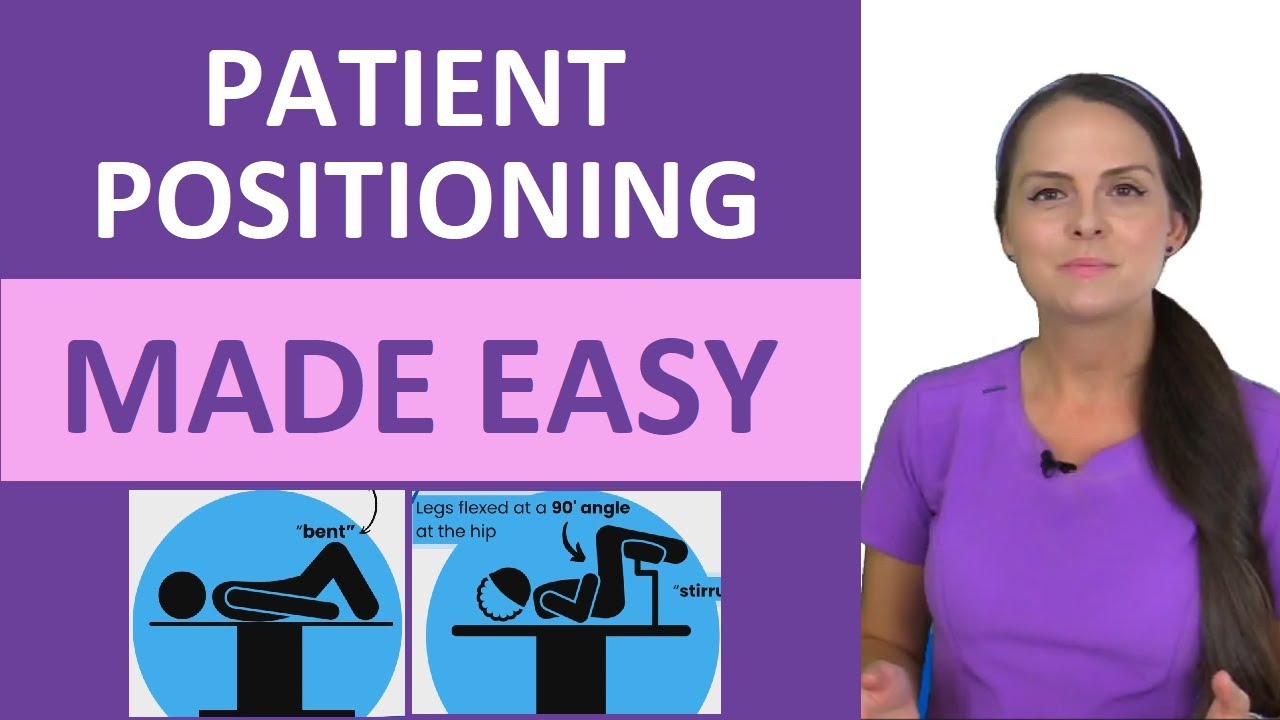 Patient Positioning Nursing Care | Nursing Fundamentals Next Generation NCLEX Review
 Fall Prevention and Restraints - Fundamentals of Nursing - Practice & Skills | @LevelUpRN
Every move starts with an assessment: what the patient can do, what help and equipment are needed, and whether the move should happen at all right now. The demonstrations below show the techniques in sequence — stand-pivot transfers, transfer boards, gait belts, positioning and crutch gaits — and should be practised under supervision before being used with patients.
What is a gait belt used for?
A gait belt is a sturdy belt fastened around a patient's waist that gives the nurse a secure handhold while helping the patient stand, transfer or walk. It improves control if the patient sways or their knees buckle, and it is safer for both patient and nurse than pulling on arms or clothing. It is not a lifting device.
Why are patients repositioned regularly in bed?
Staying in one position too long concentrates pressure on the skin over bony points, which can damage tissue and cause pressure injuries; it also stiffens joints and lets secretions pool in the lungs. A repositioning schedule — set by the patient's risk assessment and skin checks — spreads pressure, keeps joints moving and supports breathing and comfort.
What is the difference between 3-point and 4-point crutch gait?
In a 4-point gait, each crutch and each foot moves separately in a four-step sequence; it is slow but very stable and needs the patient to bear weight on both legs. In a 3-point gait, both crutches and the injured leg move together, then the good leg steps through; it is used when one leg must bear little or no weight.
This page is for general education only and is not medical advice. Procedures should be performed only by trained staff following their institution's protocols.