- Physical Examination
- Surgical Examination
- Ophthalmology
- Clinical Skills
- Orthopedics
- Surgery Videos
- Laparoscopy
- Pediatrics
- Funny Videos
- Cardiothoracic Surgery
- Nursing Videos
- Plastic Surgery
- Otorhinolaryngology
- Histology and Histopathology
- Neurosurgery
- Dermatology
- Pediatric Surgery
- Urology
- Dentistry
- Oncology and Cancers
- Anatomy Videos
- Health and Fitness
- Radiology
- Anaesthesia
- Physical Therapy
- Pharmacology
- Interventional Radiology
- Cardiology
- Endocrinology
- Gynecology
- Emergency Medicine
- Psychiatry and Psychology
- Childbirth Videos
- General Medical Videos
- Nephrology
- Physiology
- Diet and Food Health
- Diabetes Mellitus
- Neurology
- Women Health
- Osteoporosis
- Gastroenterology
- Pulmonology
- Hematology
- Rheumatology
- Toxicology
- Nuclear Medicine
- Infectious Diseases
- Vascular Disease
- Reproductive Health
- Burns and Wound Healing
- Kidney Zone Podcast
- Other
What Is an Aneurysm?
What is an aneurysm? A weakened artery wall that bulges, why most cause no symptoms, and how brain and aortic aneurysms are treated.
10/25/26 • 60 Views

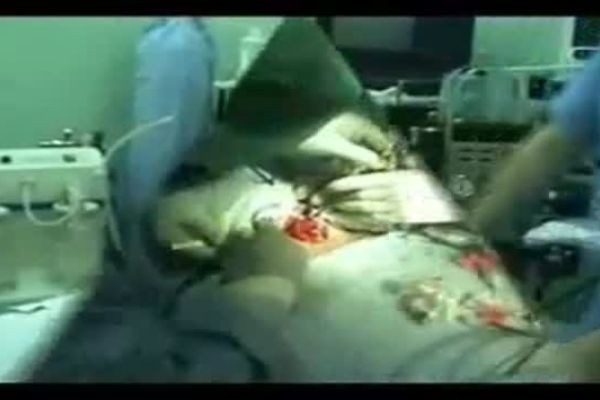
Picture an artery wall that has quietly thinned in one spot, so the pressure of the blood inside pushes it outward into a small bulge — a bit like a weak patch on a bicycle inner tube. That's an aneurysm. It isn't a blockage, and it isn't a growth; it's a widening, and where it forms changes almost everything about how it behaves. The short surgical video above (about a minute) shows one being dealt with in the brain, but aneurysms are just as well known in the aorta, the body's largest artery. Comparing the two makes the condition much easier to understand.
Same weak wall, two very different addresses
A cerebral (brain) aneurysm forms on an artery inside the head, often where vessels branch. A site explainer on this library puts it plainly: it's an abnormal widening of a brain artery that results from a weakening of the vessel wall. An aortic aneurysm forms instead along the aorta — either in the chest or, more commonly, in the abdomen. The shared ingredients are a weakened wall and relentless pressure, which is one reason long-standing high blood pressure keeps coming up in conversations about both. Smoking, age, and a family history of aneurysms also raise the odds, whichever address is involved.
Quiet for years — until it isn't
Here's the contrast that surprises people: most aneurysms in both places cause no symptoms at all. As the description of this site's aortic aneurysm animation notes, most intact aortic aneurysms do not produce symptoms; as they enlarge, abdominal pain and back pain may develop, and pressure on nearby nerves can cause leg pain or numbness. Many are found by accident, on a scan done for something else entirely. The danger is rupture. A burst brain aneurysm bleeds around the brain — a subarachnoid hemorrhage — and typically announces itself with a sudden, severe headache unlike any before. A burst aortic aneurysm causes major internal bleeding, with sudden severe pain and collapse. Either way, a suspected rupture is an emergency-services call, not a wait-and-see.
Watch it, coil it, clip it, or line it
Treatment depends on size, shape, location, and whether it has already bled — and this is where the two addresses part company again. A small, stable aneurysm may simply be watched, with regular scans and attention to blood pressure and smoking. In the brain, the two classic fixes aim to shut the bulge out of the circulation: coiling, done from inside the artery with a catheter, or clipping, shown in the video above, where a neurosurgeon places a tiny clip across the aneurysm's neck — as its description explains, clipping removes the risk of it bleeding again. In the aorta, repair means reinforcing the weakened stretch, either with open surgery or with a stent-graft threaded in from inside — the approach in "Endovascular Repair for Abdominal Aortic Aneurysm", which follows a patient receiving exactly that graft. Your specialist's job is to weigh the risk of the aneurysm against the risk of fixing it; there's no single answer that fits everyone.
So if a scan report lands the word "aneurysm" in front of you, don't panic — but don't file it away either. Ask where it is, how big it is, and what the monitoring or treatment plan is. Those three answers turn a frightening word into a manageable one.
MedicalVideos.com has published trusted medical videos since 2007. The site was founded by Dr. Mohamed Ibrahim, MD, PhD — physician and researcher.
Frequently Asked Questions
Is an aneurysm the same as a blood clot?
No. A clot is blood that has solidified inside a vessel and can block flow. An aneurysm is a bulge in the vessel wall itself. The two are different problems, though both involve blood vessels and both can be serious.
Do all aneurysms need surgery?
No. Many small aneurysms are simply monitored with periodic imaging, alongside blood-pressure control and not smoking. Repair is recommended when the estimated risk of rupture outweighs the risk of the procedure — a judgment your specialist makes from its size, shape, location, and growth.
Can you feel an aneurysm before it ruptures?
Usually not. Most unruptured aneurysms cause no symptoms and are found incidentally on scans done for other reasons. That silence is exactly why follow-up imaging matters once one is known about.
Educational only — this article is general information about aneurysms, not medical advice and not a diagnosis. A sudden, severe "worst-ever" headache, or sudden severe chest, back, or abdominal pain with collapse, is an emergency: call emergency services immediately.
Related Articles