
- Physical Examination
- Surgical Examination
- Ophthalmology
- Clinical Skills
- Orthopedics
- Surgery Videos
- Laparoscopy
- Pediatrics
- Funny Videos
- Cardiothoracic Surgery
- Nursing Videos
- Plastic Surgery
- Otorhinolaryngology
- Histology and Histopathology
- Neurosurgery
- Dermatology
- Pediatric Surgery
- Urology
- Dentistry
- Oncology and Cancers
- Anatomy Videos
- Health and Fitness
- Radiology
- Anaesthesia
- Physical Therapy
- Pharmacology
- Interventional Radiology
- Cardiology
- Endocrinology
- Gynecology
- Emergency Medicine
- Psychiatry and Psychology
- Childbirth Videos
- General Medical Videos
- Nephrology
- Physiology
- Diet and Food Health
- Diabetes Mellitus
- Neurology
- Women Health
- Osteoporosis
- Gastroenterology
- Pulmonology
- Hematology
- Rheumatology
- Toxicology
- Nuclear Medicine
- Infectious Diseases
- Vascular Disease
- Reproductive Health
- Burns and Wound Healing
- Other
Top videos


If you are a medical student, a resident, a primary care physician or you practice in an emergency department, you can improve your suture skills with this detailed instruction. As you practice towards a cosmetically perfect technique, your confidence will increase, especially when dealing with complex wounds. Areas of study include: methods of closure, closure materials, anesthetics, suture removal, infection, prophylaxis, when to call in a plastic surgeon, recapping techniques and more

Meningitis is a common life-threatening medical emergency caused by infectious and non-infectious agents. Rapid and accurate evaluation by history and clinical examination is helpful to guide further specific investigation and treatment. Kernig's sign, Brudzinski's sign, and nuchal rigidity are bedside diagnostic signs used to evaluate suspected cases of meningitis. The presence of meningeal irritation, however, is not pathognomonic for meningitis.
after birth care for babies,a small glimpse just to let you know what happens

Intravenous line and cannula insertion

Watch that video of a Snake bite causes girl’s leg to rot away with necrosis

Urinary Bladder Medical Exam
Watch that video of Nasty Female Genital Infection
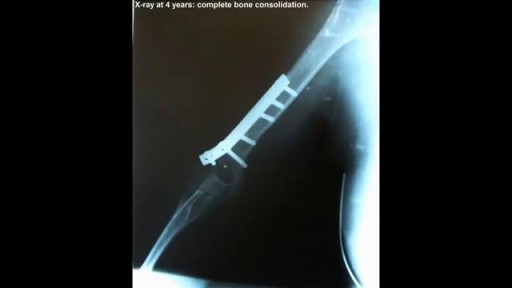
A case of replantation of a completely amputated arm
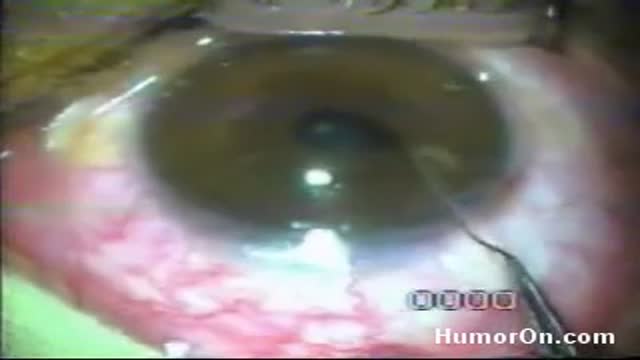
PARASITE REMOVED FROM THE EYEBALL OF A YOUNG N, NOT FOR THE SCREAMISH!Loa Loa worms (also known as the "eye worm") are classified as filarial worms, meaning they thrive in human tissue. The Loa Loa worm is also called the "eye worm" because they often migrate through the eye and surrounding subsurface areas. At one time, prior to the 1920s, loa loa worm infections occurred in the United States. Today, however, they mainly infect people who are native to Sudan, and those who live in or near Central and West Africa's swamps and rain forests.
Loiasis is the infestation of loa loa worms in humans. The larvae are first collected from an infected individual when a mango fly (horsefly) or a deer fly bites the individual, and acquires the larvae. The larvae then progress through the fly's body, finally reaching the feeding tube. They are then transferred to a human host when the fly bites the human. The larvae may remain unnoticed for months or years before becoming an adult, mating, and producing offspring.
Adult female Loa Loa worms can reach a length of 2 1/2 inches while males are approximately half that size. Loa Loa worms can live approximately fifteen years inside their human hosts. They travel continuously through connective and deep tissue, often without the victim experiencing any sensation other than occasional itching.
It is when the worm slows or reaches a sensitive spot that a person will often feel the greatest discomfort. At this point, immune reactions may also include localized redness and a condition called "Calabar" swelling. Skin eruptions and muscle pain may be evident.
When the Loa Loa worm reaches the eye tissue, it can be easily seen and felt within the eyeball for up to an hour. It is usually removed under local anesthesia if the patient is within proximity of a qualified physician. When an adult worm dies, the surrounding tissue may abscess and require excision. Encephalitis can occur if the worm reaches the brain.
After mating, the female will deposit eggs - called microfilariae. These tiny organisms then travel in a worm-like fashion in the bloodstream during daytime hours, when potential host flies are most abundant. They congregate in the lungs at night.
A Loa Loa worm infection is rarely fatal and treatments often cause more life-threatening side effects than the actual infestation, especially if the worms are widespread. The most common treatments are DEC (diethylcarbamazine) and Ivermectin
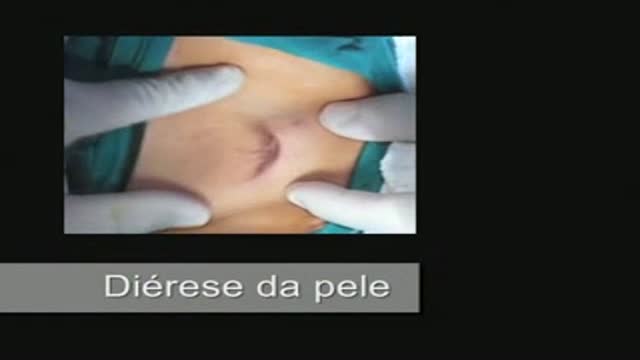
LCHI - Hernia repair done by medical students with guidance and assistance of Professor Luiz Eduardo C. Miranda. Description of surgery is in portuguese.
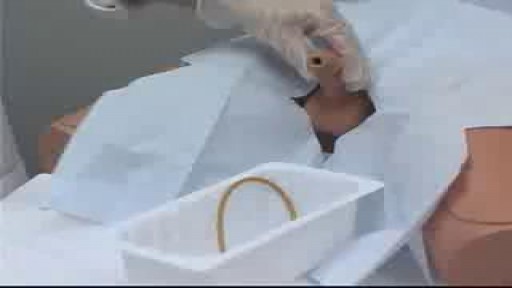
Inserteing a foley catheter in the male's urethra
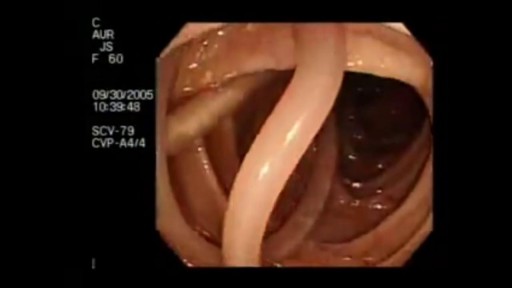
Parasites Accidentally Seen During Colonoscopy

Heart Attack 3D Animation

All you need to know about Puberty In Girls Changes and Stages
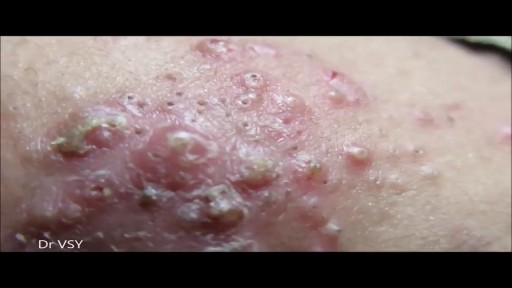
Watch that Grade III Acne Draining and Removals
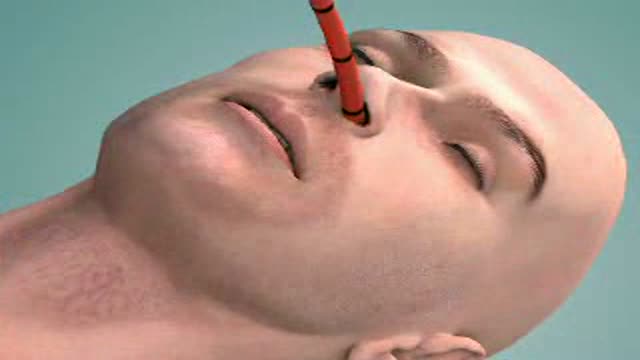
Sengstaken Blakemore tube Insertion Video

Watch that video to know What is Female G Spot?
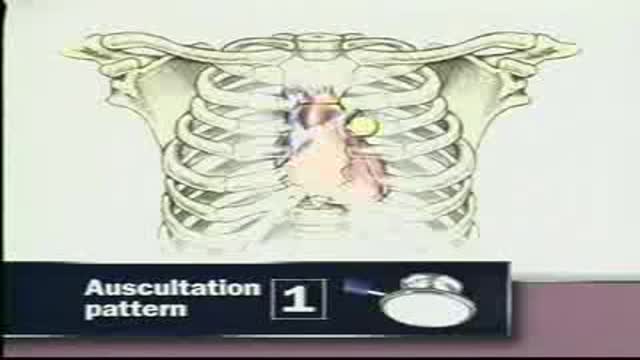
Auscultation of the heart
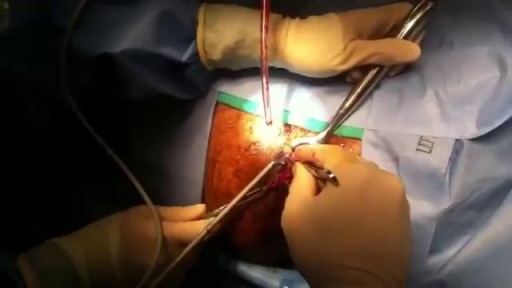
Watch that Hemorrhoids Surgical Repairing Medical Operation
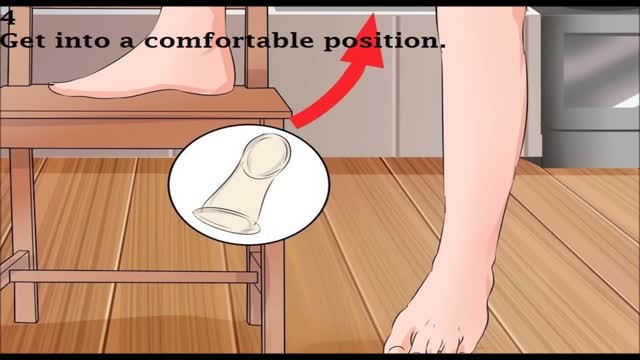
female condom
