
- Physical Examination
- Surgical Examination
- Ophthalmology
- Clinical Skills
- Orthopedics
- Surgery Videos
- Laparoscopy
- Pediatrics
- Funny Videos
- Cardiothoracic Surgery
- Nursing Videos
- Plastic Surgery
- Otorhinolaryngology
- Histology and Histopathology
- Neurosurgery
- Dermatology
- Pediatric Surgery
- Urology
- Dentistry
- Oncology and Cancers
- Anatomy Videos
- Health and Fitness
- Radiology
- Anaesthesia
- Physical Therapy
- Pharmacology
- Interventional Radiology
- Cardiology
- Endocrinology
- Gynecology
- Emergency Medicine
- Psychiatry and Psychology
- Childbirth Videos
- General Medical Videos
- Nephrology
- Physiology
- Diet and Food Health
- Diabetes Mellitus
- Neurology
- Women Health
- Osteoporosis
- Gastroenterology
- Pulmonology
- Hematology
- Rheumatology
- Toxicology
- Nuclear Medicine
- Infectious Diseases
- Vascular Disease
- Reproductive Health
- Burns and Wound Healing
- Kidney Zone Podcast
- Other
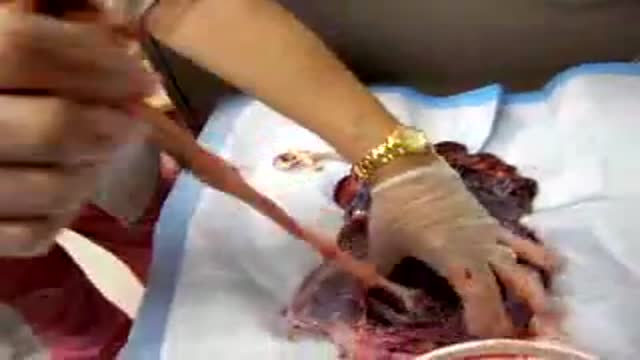

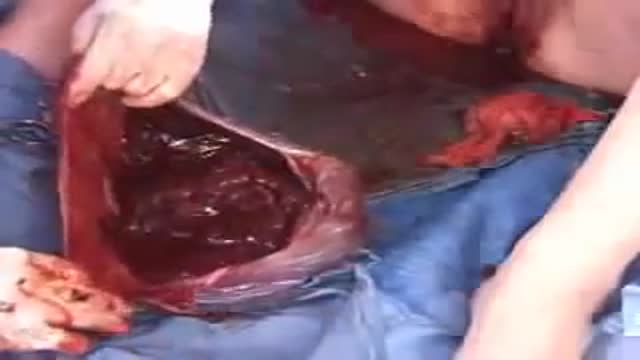
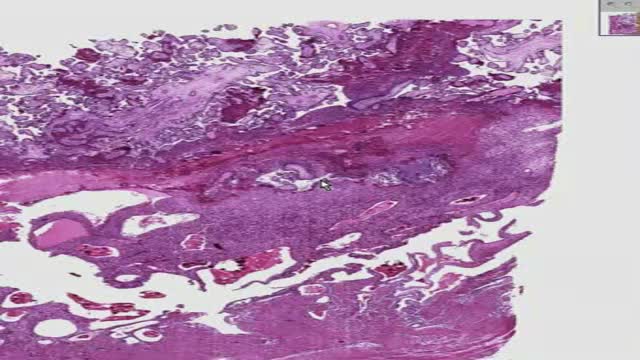
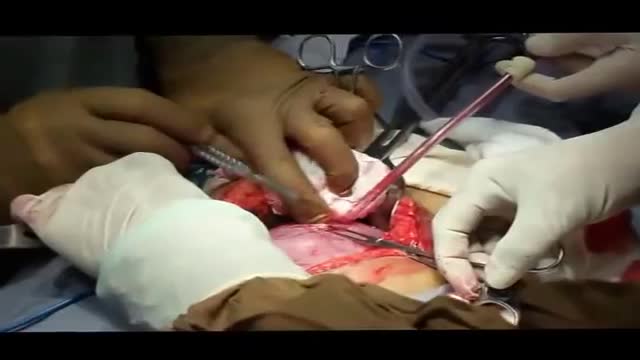
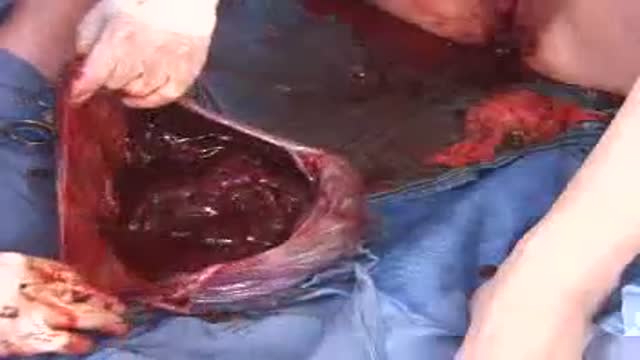
Placenta previa

If you have placenta previa, it means that your placenta is lying unusually low in your uterus, next to or covering your cervix. The placenta is the pancake-shaped organ – normally located near the top of the uterus – that supplies your baby with nutrients through the umbilical cord.
This video in 30 seconds
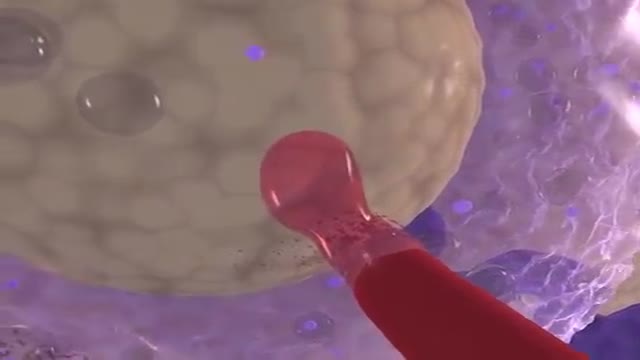
A short animation narration explains placenta previa, where the placenta has grown partly or completely over the cervix instead of high in the uterus. It describes how damage to the placental attachments can cause bleeding with serious effects for both mother and fetus.
Key points
- The placenta normally develops high in the uterus
- In placenta previa it grows partly or completely over the cervix
- Bleeding from damaged attachments and its effects are described
Video Transcript
A short animation narration explaining placenta previa: the placenta, which normally develops high in the uterus, has grown partly or completely over the cervix, and if its attachments are damaged the bleeding can cause hemorrhagic shock for the mother and cut off blood flow to the fetus.
Read the full transcript
In a typical develop pregnancy, the placenta, which nourishes the baby, develops high up in the uterus. Sudden vaginal bleeding may indicate placenta previa. The placenta has partially or totally grown over the cervix. If the attachments of the placenta to the uterus are damaged, the resulting bleeding may lead to hemorrhagic shock for the mother and lack of blood flow for the fetus.
Transcript auto-generated from the video’s audio for accessibility and study. Educational content only — not medical advice.
Video Overview
From our Gynecology collection: Pelvic exams, Pap smears, IUD insertion, hysteroscopy and women's health procedures explained step by step. Browse all Gynecology videos →
SORT BY-
Top Comments
-
Latest comments