
- Physical Examination
- Surgical Examination
- Ophthalmology
- Clinical Skills
- Orthopedics
- Surgery Videos
- Laparoscopy
- Pediatrics
- Funny Videos
- Cardiothoracic Surgery
- Nursing Videos
- Plastic Surgery
- Otorhinolaryngology
- Histology and Histopathology
- Neurosurgery
- Dermatology
- Pediatric Surgery
- Urology
- Dentistry
- Oncology and Cancers
- Anatomy Videos
- Health and Fitness
- Radiology
- Anaesthesia
- Physical Therapy
- Pharmacology
- Interventional Radiology
- Cardiology
- Endocrinology
- Gynecology
- Emergency Medicine
- Psychiatry and Psychology
- Childbirth Videos
- General Medical Videos
- Nephrology
- Physiology
- Diet and Food Health
- Diabetes Mellitus
- Neurology
- Women Health
- Osteoporosis
- Gastroenterology
- Pulmonology
- Hematology
- Rheumatology
- Toxicology
- Nuclear Medicine
- Infectious Diseases
- Vascular Disease
- Reproductive Health
- Burns and Wound Healing
- Kidney Zone Podcast
- Other
Top videos
The most-watched medical videos on MedicalVideos.com — ranked by views from our community of medical students, healthcare professionals, and patients learning how the body works.


Clinical management of tissue necrosis following a snake bite is presented in this video, showing how the affected tissue is assessed and cared for. Shared for clinical education on envenomation injuries. The footage shows damaged tissue; viewer discretion is advised.
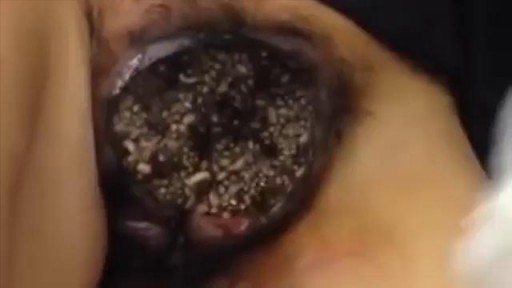
A female genital infection is presented in this clinical video, showing the examination findings clinicians look for when assessing this type of infection. Shared for clinical education. Educational only — not medical advice.
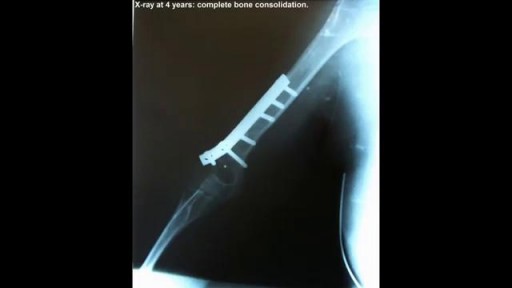
Replantation of an amputated arm — the surgical reattachment of a severed limb — is shown in this operative video. It is presented for surgical education on microsurgical limb replantation. Graphic operative footage; viewer discretion is advised.
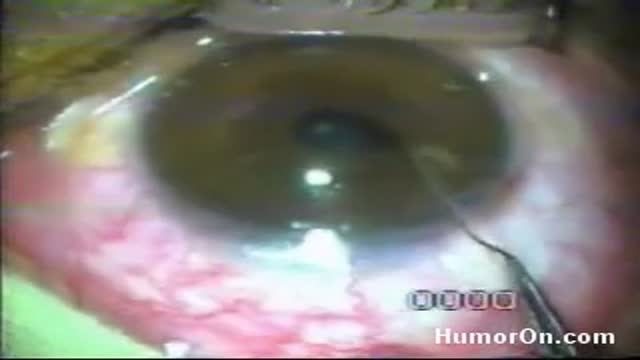
PARASITE REMOVED FROM THE EYEBALL OF A YOUNG N, NOT FOR THE SCREAMISH!Loa Loa worms (also known as the "eye worm") are classified as filarial worms, meaning they thrive in human tissue. The Loa Loa worm is also called the "eye worm" because they often migrate through the eye and surrounding subsurface areas. At one time, prior to the 1920s, loa loa worm infections occurred in the United States. Today, however, they mainly infect people who are native to Sudan, and those who live in or near Central and West Africa's swamps and rain forests.
Loiasis is the infestation of loa loa worms in humans. The larvae are first collected from an infected individual when a mango fly (horsefly) or a deer fly bites the individual, and acquires the larvae. The larvae then progress through the fly's body, finally reaching the feeding tube. They are then transferred to a human host when the fly bites the human. The larvae may remain unnoticed for months or years before becoming an adult, mating, and producing offspring.
Adult female Loa Loa worms can reach a length of 2 1/2 inches while males are approximately half that size. Loa Loa worms can live approximately fifteen years inside their human hosts. They travel continuously through connective and deep tissue, often without the victim experiencing any sensation other than occasional itching.
It is when the worm slows or reaches a sensitive spot that a person will often feel the greatest discomfort. At this point, immune reactions may also include localized redness and a condition called "Calabar" swelling. Skin eruptions and muscle pain may be evident.
When the Loa Loa worm reaches the eye tissue, it can be easily seen and felt within the eyeball for up to an hour. It is usually removed under local anesthesia if the patient is within proximity of a qualified physician. When an adult worm dies, the surrounding tissue may abscess and require excision. Encephalitis can occur if the worm reaches the brain.
After mating, the female will deposit eggs - called microfilariae. These tiny organisms then travel in a worm-like fashion in the bloodstream during daytime hours, when potential host flies are most abundant. They congregate in the lungs at night.
A Loa Loa worm infection is rarely fatal and treatments often cause more life-threatening side effects than the actual infestation, especially if the worms are widespread. The most common treatments are DEC (diethylcarbamazine) and Ivermectin
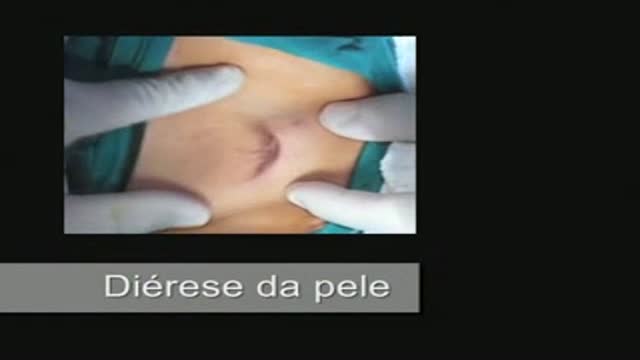
LCHI - Hernia repair done by medical students with guidance and assistance of Professor Luiz Eduardo C. Miranda. Description of surgery is in portuguese.
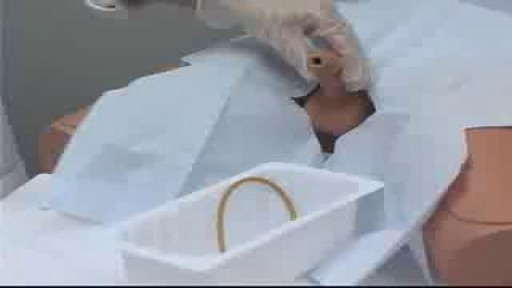
Male catheterization is demonstrated in this longer clinical skills recording. The video shows the insertion of a Foley catheter through the male urethra using sterile technique. It is a training resource for nursing and medical students learning urinary catheterization in male patients.
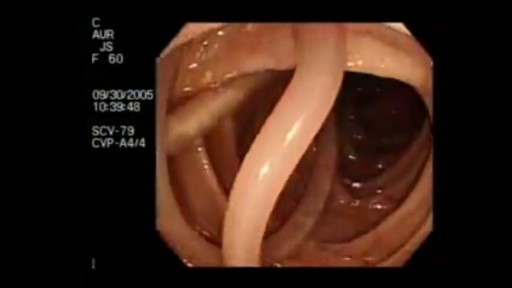
Parasites seen incidentally during a colonoscopy examination are shown in this endoscopy video. The recording captures the unexpected finding as the colon is inspected during the procedure. It is shared as an educational endoscopy case for students of gastroenterology and internal medicine.

A 3D animation of a heart attack explains how a myocardial infarction develops in the coronary arteries. The short animated sequence visualizes the blockage of blood flow to the heart muscle. It is a cardiology education resource for students and patients learning how heart attacks occur.

The changes and stages of puberty in girls are explained in this educational video, covering the normal sequence of physical development during adolescence. General health information for educational purposes only — not medical advice.
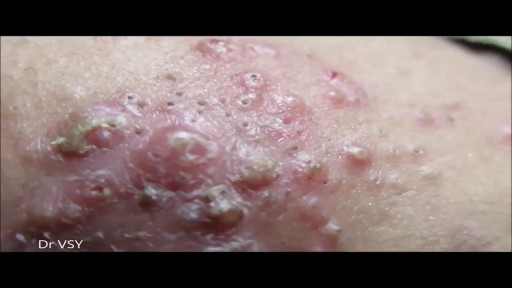
Draining and removal treatment for grade III acne lesions is shown in this dermatology video. The recording presents the clinical handling of inflamed acne lesions on the skin. It is shared as a skin care and dermatology education example for viewers interested in acne management procedures.
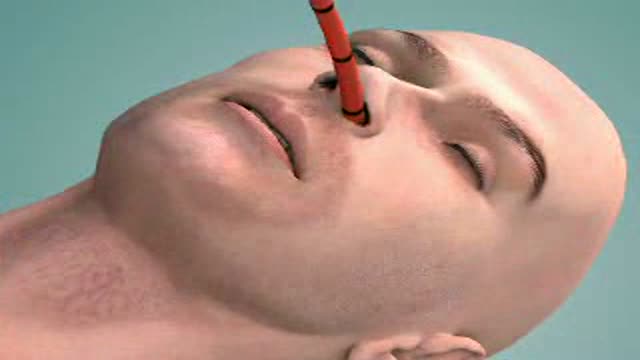

Insertion of a Sengstaken-Blakemore tube is demonstrated in this emergency medicine video. The recording shows placement of the balloon tube used to apply pressure in the esophagus and stomach. It is a training resource for clinicians learning this uncommon emergency department procedure.

This educational video discusses the G-spot — the area of female anatomy it refers to and what is known about it — in clinical terms. Intended for adult health education. Educational only — not medical advice.
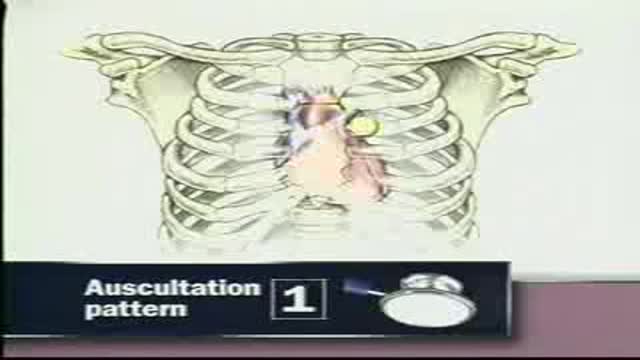
Auscultation of the heart is demonstrated in this cardiology examination video. The recording shows where the stethoscope is placed to listen to heart sounds during a cardiac examination. It is an educational resource for medical students learning the fundamentals of cardiac physical assessment.
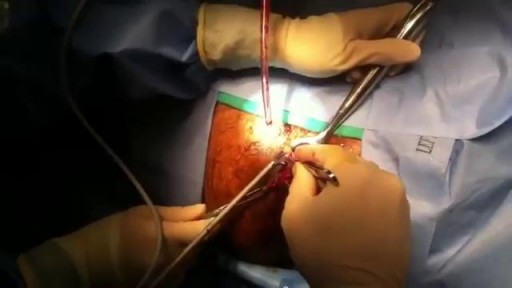
Surgical repair of hemorrhoids is shown in this operative video from a general surgery setting. The recording follows the procedure used to treat hemorrhoidal tissue in the anal canal. It is presented for surgical education for students interested in colorectal and general surgical techniques.
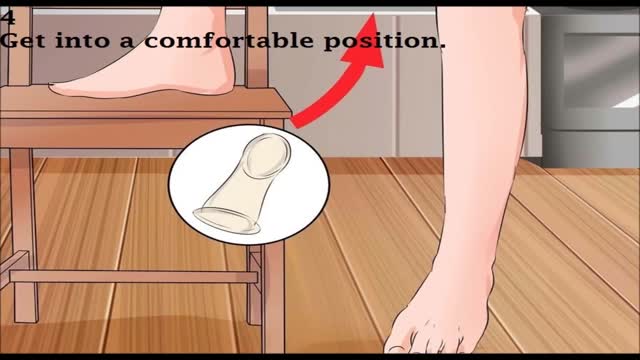
How an internal (female) condom is inserted, used, and removed is demonstrated in this educational video, with notes on infection and pregnancy risk reduction. Adult health information only. Educational only — not medical advice.
A cesarean section birth is shown in this childbirth surgery video. The recording presents the operative delivery of a baby through an incision in the abdomen and uterus. It is an educational resource for students of obstetrics learning about surgical delivery and its main steps.
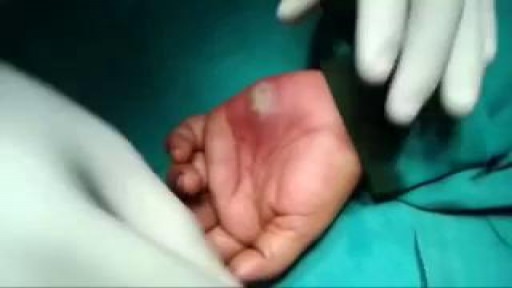
Drainage of an abscess on the hand is shown in this short clinical procedure video. The recording demonstrates opening the collection so it can drain, in a hand surgery context. It is shared as a clinical skills example for students learning management of hand infections and abscesses.
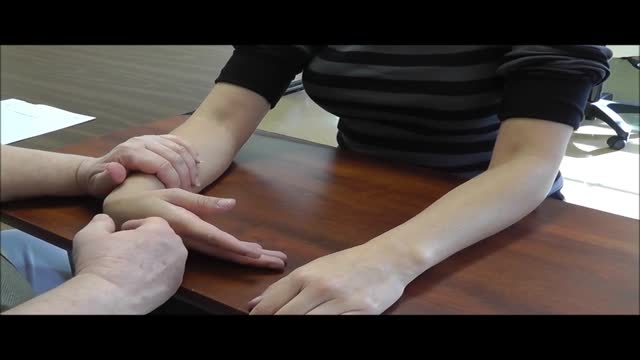
Hold your elbows at shoulder level and place the backs of your hands together with your wrists bent at 90 degrees. This position increases the pressure on the median nerve. If the test reproduces or worsens your symptoms (pain and tingling in your hands), you may have carpal tunnel syndrome.
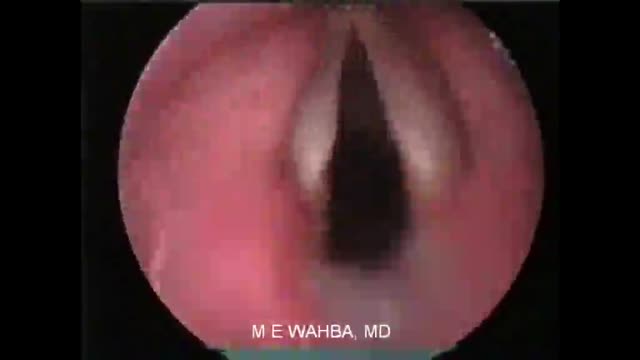
Of course, these vocal cords are not mine, because I am the one who captured this video before I performed surgery for the patient. See how the cords are normal and freely mobile. Talkative persons have something else....imagine
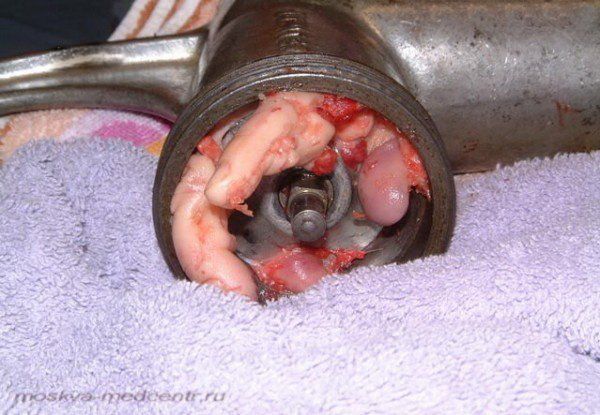
This trauma video documents the removal of a hand caught in a meat grinder, a severe occupational crush injury, in an emergency setting. Presented for emergency-care education. Graphic injury footage; viewer discretion is advised.
Medical Videos
Free medical and surgery videos for patients, students and professionals — trusted since 2007.
Founded by Dr. Mohamed Ibrahim, MD, PhD — physician-scientist.
Follow us on Facebook · Instagram