
- Physical Examination
- Surgical Examination
- Ophthalmology
- Clinical Skills
- Orthopedics
- Surgery Videos
- Laparoscopy
- Pediatrics
- Funny Videos
- Cardiothoracic Surgery
- Nursing Videos
- Plastic Surgery
- Otorhinolaryngology
- Histology and Histopathology
- Neurosurgery
- Dermatology
- Pediatric Surgery
- Urology
- Dentistry
- Oncology and Cancers
- Anatomy Videos
- Health and Fitness
- Radiology
- Anaesthesia
- Physical Therapy
- Pharmacology
- Interventional Radiology
- Cardiology
- Endocrinology
- Gynecology
- Emergency Medicine
- Psychiatry and Psychology
- Childbirth Videos
- General Medical Videos
- Nephrology
- Physiology
- Diet and Food Health
- Diabetes Mellitus
- Neurology
- Women Health
- Osteoporosis
- Gastroenterology
- Pulmonology
- Hematology
- Rheumatology
- Toxicology
- Nuclear Medicine
- Infectious Diseases
- Vascular Disease
- Reproductive Health
- Burns and Wound Healing
- Kidney Zone Podcast
- Other












Amoebic dysentery

Educational only: videos on MedicalVideos.com are for general information and are not medical advice. Always consult your own doctor about your health.
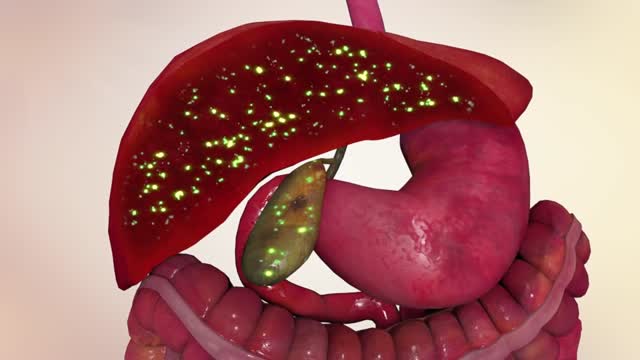
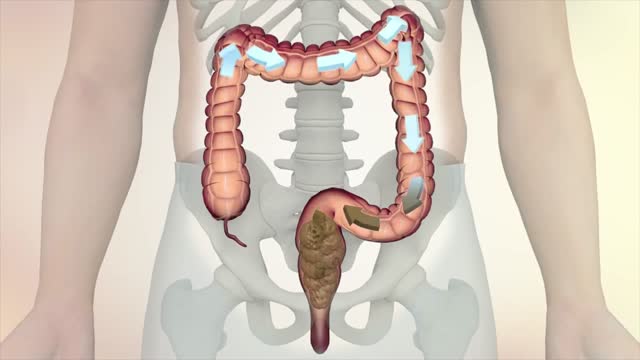
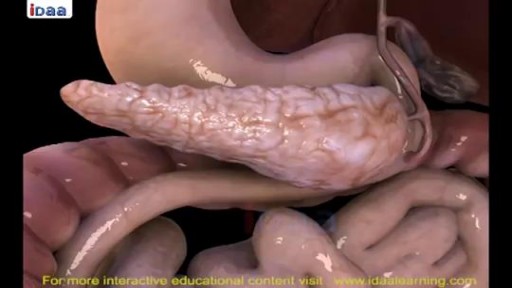
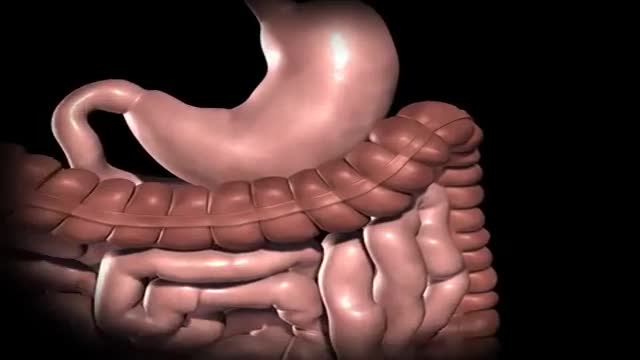
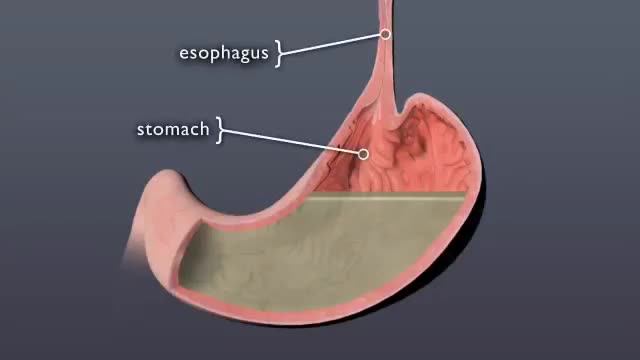
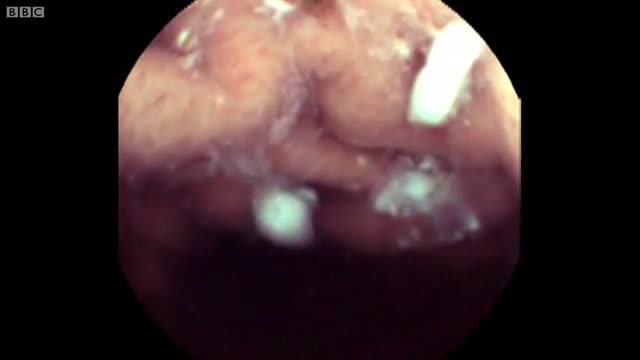
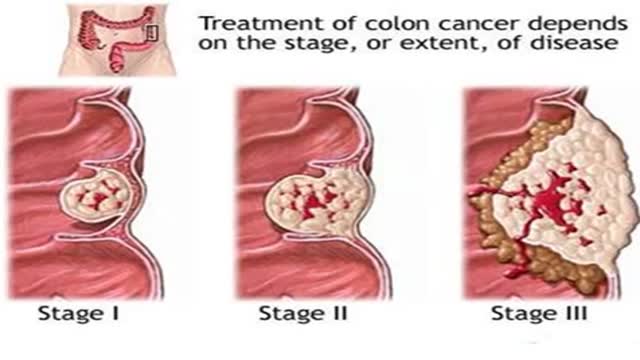
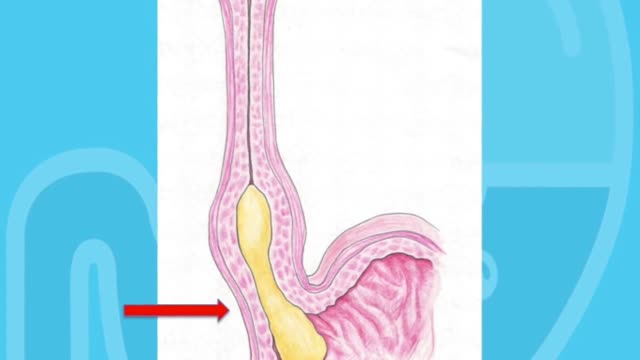
Dysentery is an infection of the intestines causing diarrhoea that contains blood or mucus. There are two main types of dysentery: Shigellosis, or bacillary dysentery, is the most common type experienced in the UK, caused by the shigella bacteria. Amoebic dysentery, also called amoebiasis, is caused by a single-celled parasite called Entamoeba histolytica. This form of dysentery is more common abroad in tropical countries. This article focuses on amoebic dysentery, This is usually caused by poor hygiene or contaminated food or water. Amoebic dysentery is a notifiable disease, so your GP must let the local health authority know if you have contracted it. Causes of amoebic dysentery Once inside the body, amoeba clump together to form a cyst that is protected by the stomach’s digestive acid. When the cyst passes through the intestines it breaks open infecting the body. The amoebae burrow into the intestinal wall and cause small ulcers or abscesses. Cysts exit the body via faeces but are still able to live outside, which is how many people become infected. Severe dysentery is more common in developing countries due to compromised hygiene. You can get sick in a number of ways including: Eating contaminated food Drinking contaminated water Contracting dysentery from another infected person. Symptoms of amoebic dysentery Symptoms can appear as many as 10 days after exposure and infection by the parasite. Signs of infection include: Watery diarrhoea with blood or pus in it Nausea or vomiting Stomach pain High temperature Chills Bleeding from back passage (rectum) Weight loss Loss of appetite. Complications of amoebic dysentery If the parasite gets into your bloodstream it can spread to other parts of your body, including the liver. When this happens you run the risk of developing a liver abscess. Symptoms include: High temperature Weakness Cough Jaundice Nausea Loss of appetite Weight loss
This video in 30 seconds
This video explains amoebic dysentery, also called amoebiasis, an intestinal infection causing diarrhoea containing blood or mucus. It describes the parasite Entamoeba histolytica, how cysts infect the body and burrow into the intestinal wall, and links to poor hygiene or contaminated food or water.
Key points
- Defines dysentery as an infection of the intestines causing diarrhoea containing blood or mucus
- Distinguishes shigellosis, or bacillary dysentery, from amoebic dysentery caused by Entamoeba histolytica
- Notes amoebic dysentery is more common in tropical countries and is a notifiable disease, according to the description
- Describes amoeba forming a cyst protected from stomach acid, then breaking open in the intestines
- Describes amoebae burrowing into the intestinal wall causing small ulcers or abscesses, and cysts exiting via faeces
Video Overview
This video presents “Amoebic dysentery” — Dysentery is an infection of the intestines causing diarrhoea that contains blood or mucus. There are two main types of dysentery: Shigellosis, or bacillary dysentery, is the most common type experienced in the UK, caused by the. Whether you are preparing for a procedure, studying the technique, or learning how a condition is assessed, the recording shows the process as it is performed in practice.
From our Gastroenterology collection: Endoscopy, colonoscopy, liver and digestive disorders — procedures and conditions explained step by step. Browse all Gastroenterology videos →
Educational content only — not a substitute for professional medical advice.
SORT BY-
Top Comments
-
Latest comments