
- Physical Examination
- Surgical Examination
- Ophthalmology
- Clinical Skills
- Orthopedics
- Surgery Videos
- Laparoscopy
- Pediatrics
- Funny Videos
- Cardiothoracic Surgery
- Nursing Videos
- Plastic Surgery
- Otorhinolaryngology
- Histology and Histopathology
- Neurosurgery
- Dermatology
- Pediatric Surgery
- Urology
- Dentistry
- Oncology and Cancers
- Anatomy Videos
- Health and Fitness
- Radiology
- Anaesthesia
- Physical Therapy
- Pharmacology
- Interventional Radiology
- Cardiology
- Endocrinology
- Gynecology
- Emergency Medicine
- Psychiatry and Psychology
- Childbirth Videos
- General Medical Videos
- Nephrology
- Physiology
- Diet and Food Health
- Diabetes Mellitus
- Neurology
- Women Health
- Osteoporosis
- Gastroenterology
- Pulmonology
- Hematology
- Rheumatology
- Toxicology
- Nuclear Medicine
- Infectious Diseases
- Vascular Disease
- Reproductive Health
- Burns and Wound Healing
- Kidney Zone Podcast
- Other
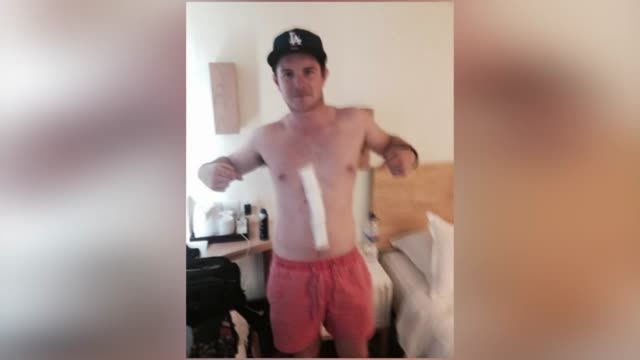
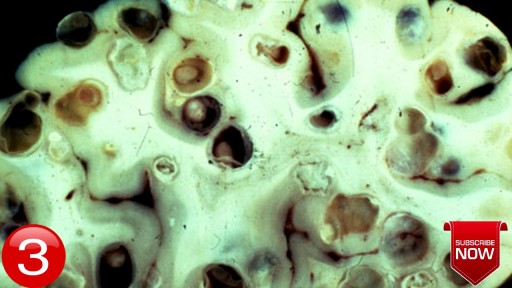
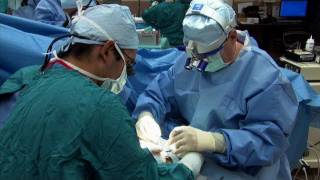
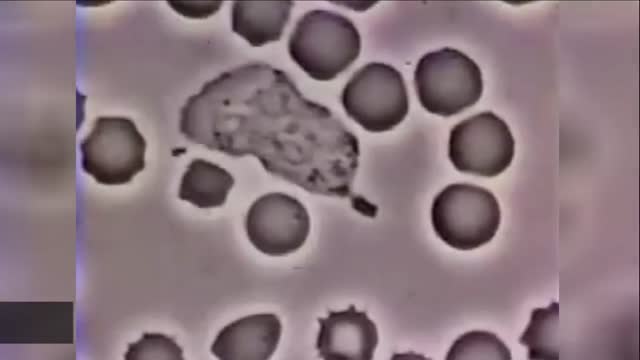
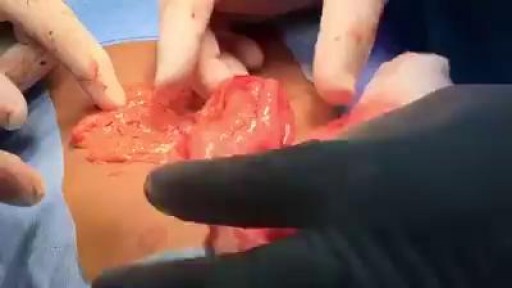
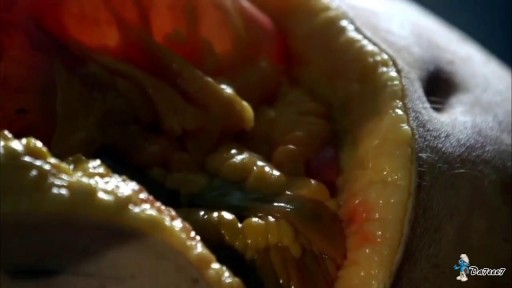
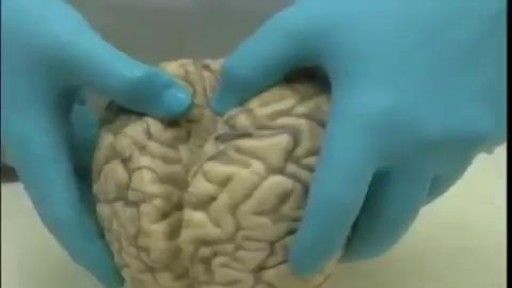
Cutting Inside Human Fat Body

Watch that Cutting Inside Human Fat Body video
This video in 30 seconds
This is a post-mortem examination of a donor with extensive body fat, presented in a clinical and neutral tone. The narration describes thick fat layers and fat around organs, the removal of the chest plate, and the examination of an enlarged heart, which the examiner links in commentary to heart failure with high blood pressure.
Key points
- The examination describes thick subcutaneous and abdominal fat
- Fat around the organs and an incidental breast implant finding are noted
- The chest plate is removed during the examination
- The heart is examined and described as enlarged
- The examiner discusses multi-factor causes of obesity in the narration
Chapters
- 0:00 — Opening and fat layer examination
- 2:34 — Obesity and fat distribution discussion
- 3:18 — Chest plate removal
- 5:29 — Fat around heart and liver
- 7:34 — Heart and lungs dissection
- 10:19 — Heart failure fluid discussion
- 12:48 — Detailed heart examination
Video Transcript
This post-mortem narration examines a donor with extensive body fat, describing thick subcutaneous and abdominal fat, fat around organs, and an incidental breast implant finding as presented. Examiners discuss obesity's multi-factor causes described in the narration, remove the chest plate, and examine an enlarged heart weighing 449 grams, which the examiner attributes in the narration to heart failure with high blood pressure.
Read the full transcript
Ending at the top of the pubis. It's a skill that requires both great precision and intense concentration especially performed on someone with so much fat. So what I can feel at the moment is an awful lot of yellow very sort of greasy fatty tissue which is quite a thick layer in a body this size
Reflecting the skin back from the rib cage here and what that means is I'm just kind of loosening it away with the muscle And give me a bit of room to maneuver within the body What we seem to have here is a breast implant. It is an incidental find sometimes when we do post-mortem It's not just about what we're expecting to find and it's incidental there is a very large amount of fat here and The reason it makes it so difficult is it actually is greasy. It feels very much like butter
so what I'm doing here is just trying to make sure that my NICE doesn't slip too much on it Mike did you want to come and take a look at this?
Okay So we can see immediately the thickness of fat that is here And even though there is a large amount on the anterior chest wall the front of the chest But there's also a very large amount around the abdomen the abdominal fat that is the most dangerous associated with the problems of obesity There's quite a lot of fat around the organs. There's fat in the amensum
It would appear that this lady's carrying much of her weight in the abdominal fat and possibly around organs as well So there's lots of changes which I think we'll get a better view of when we've opened the rest of the body
Everybody knows what obesity looks like from the outside But unless you do a job like ours most people don't see what obesity looks like Insides I've done thousands of post mortems. It's always a fascinating procedure Even if it's a case where you've seen lots and lots of similar cases in the past that particular case will be individual and you'll certainly learn from that We'll never know exactly why our donor became so overweight The reasons for obesity are multi-layered and complicated a mixture of lifestyle and environment biology and psychology
But now that overweight is the new normal weight in the UK There is a whole new young generation living with the consequences of obesity I'm gonna take my ribbed shears and we use these specifically for this job is they can cut through bones and What I'm gonna do is just make some very Even cuts right through all of these bones You can hear the bones are snapping this lady isn't exactly young The older people get the more calcified their bones become so they become very very crunchy
Whereas younger people tend to have much more soft bones in order to do this job You have to be strong of stomach to start with but I think that's just something that you even know or you don't I never would have considered doing this job if I didn't know I had a strong stomach I'm now removing the breast bones or the breastplate sternum with upward strokes and this way I don't damage any of the
pericardium which is the sac that keeps the heart safe
The first time I saw somebody doing a postmortem I think I was just absolutely wrapped I was fascinated and it's because the human body is an incredibly complex machine to open a human being to see all of that Absolutely perfect sort of jigsaw of organs and perfectly in place. It really did make me feel very odd When you do an autopsy on somebody who's very slim the organs are there and they're very evident It's like a game of of operation or like one of these anatomical models that you would use at school
In a woman this size a lot of it is really hidden by this extra yellow fat It is making it quite difficult to see the structures and much more difficult than it would if she was a thinner person
Before color remains the heart and lungs Mike wants to take a look at the organs while they're still in the body To see if we'll discover any early indications of trauma or damage You can see the heart here There's a large amount of fat around the heart. There's more here than you would see normally quite considerably more Underneath the heart and lungs in this area. Here's what you call the diaphragm. That's a big muscle that helps you breathe Even the diaphragm I was gonna ask seems very fatty to me
That's right Even even on the surface where the heart fat and the diaphragm are meeting there's more fat than usual And actually the thing you can see most is an extremely in large liver This is very very large and it's got what we call fatty liver change So this is a fatty liver and fatty liver is very much associated with obesity You can see there's a lot of fat around these organs. So What would be between my hands now would be the kidneys now the kidneys always have fat around them
I think it's important while we're all talking about the fact to realize that is a normal thing Everybody has fat in however thin you are there will be some fat and fat is got very very important roles And one of those roles is to protect things. It's that too much fat that is the problem That is made up of cells called adipocytes which are fat cells and Really for a long long time until very recently people thought that fat was just an inert Substance that just sort of sat there and didn't really do anything
But it's becoming increasingly understood now that fat is actually a very active substance Fat cells work almost like an endocrine organ People would have heard of some endocrine organs things like the thyroid gland is related to how much energy you have how cold you are So forth the ovaries the test is so obviously these hormones Related to the ovaries and the test is defined whether you're going to be a man or you're going to be a woman So those are the sorts of activities hormones have to be very very powerful things
And it's become obvious that the adipocytes the fat cells do play up an endocrine type role And so have some very powerful effects that were previously unknown The next stage of the postmortem is the dissection of the heart and lungs For Mike to be able to do this Carla needs to remove the cardio respiratory block from the body I'm cutting through the diaphragm here just to make sure that I free the lungs completely Free them along the spine here
But as you the exact same thing on the other side Chop across the esophagus and the drachea here and then all I need to do is basically pull the organs towards me at the same time as releasing these sort of white fibrous tissues that holds in the organs to the spine and Then we'll get to a point Where this block the cardio respiratory block is completely free And then we can take this out as one block And we've got the heart and the lungs and the heart sack
the pericardium When you initially carry out postmortem and you hold an organ such as the heart in your hands and the heart is very symbolic You know we use it in all sorts of logos. It's it has a sort of power and a sort of Agency that makes you kind of stop and think because it looks so Mendean, but then you realize that within it has the electrical impulses to keep a person alive
With the cardio respiratory block removed from our donor's body might can start his dissection of her lungs Will we uncover any evidence of damage linked to her obesity? I'm going to detach the lungs From the heart so we'll start off with the right lung So just cutting through Where the lung is attached and that's the right lung detached to the left lung. I'm detaching There I'm just going to make some cuts across the lung just to see what the surface of the lung looks like these lungs actually look
Quite healthy. There's no tumors or masses or anything like that in these lungs But what there does seem to be and which should be evident now if I pick this lung up and squeeze it is
You can see the fluid dripping out of these lungs and this is what we call pulmonary edema That's essentially heart failure fluid. This fluid is basically water. I know it looks red That's because obviously it's within the body and it's been mixed with blood This isn't blood is much much thicker than that. This is really just a watery fluid And this is collected because this lady's got heart failure This lady died from heart failure from hypertensive heart disease But this lady is also obese. She did not die from the obesity the obesity
increased the risk factors and Was associated with the problems that led to her death Fluid has built up in this lady's lungs because her heart isn't working properly She'd have probably been short of breath and had possibly had a cough But also because the fluid sits in the chest when you lie flat and that would have given her a sensation almost of drowning When you become a doctor one of the questions that they teach you very early on is How many pillows do you sleep with and that tends not to be because they're asking how comfortable you are at night
It's because if somebody says oh, I can't sleep in a bed doctor I have to sleep in a chair or I have to sleep with eight pillows sitting up That is very indicative of heart failure from the startling discovery Mike has made in our donor's lungs We now know that she would have felt the impact of her obesity and heart failure every single day Heart failure is not the same as a heart attack when a heart fails. It doesn't fail Immediately in this type of circumstance it fails over a long period of time. So the symptoms are gradual
So she met this lady may have been able to walk up 10 flights of stairs three years ago Then she suddenly found she got very breathless after five flights of stairs Then she found that she was found it very very difficult to even walk up one flight of stairs or even carry her shopping It would have been a progressive disease as the heart became worse and worse and worse now the final event Obviously when this lady's heart stopped working that would have been an instantaneous event and led to her death
Now it's time for Mike to examine in detail the organ that catastrophically failed in our donor What will we find out about how and why she might have died? You can't really see the heart yet because the heart is sitting in a bag This is called the pericardial sack. I'm just gonna open that and so I can Reflect that back and that's the heart there So the heart now is in my hand and you can see all the fat I was talking to about earlier really isn't around the heart. It's really around the pericardium
There is a bit of fat around the heart which is here This is absolutely typical and everybody's heart even a thin person's heart would have this and I'm going to cut off the pericardial sack This big blood vessel here is the aorta This is the vessel that takes all the blood from the heart around the body when I feel this heart It feels baggy a heart in someone who is very athletic their heart would be very tight very firm It would be like almost picking up a piece of steak. This is more like a bag
What I'm gonna do now is weigh this heart So this heart is 449 grams That's a heavy heart this lady is Despite her weight this lady is actually quite a petite person So you would expect her heart to be perhaps 275 grams something like that So this is very much heavier than you would expect and that is the sort of size heart you would expect in Someone who has got heart failure due to high blood pressure, which is what this lady suffered from The heart basically has to pump to keep up the pressure the heart gets bigger and bigger and bigger
But there becomes a point where the heart can't get any bigger and it basically exhausts itself Now that he has discovered the shocking state of our donor's heart Mike wants to look at it from the inside He cuts some slices so he can examine the ventricles the walls of the heart that pump the blood If you're a six foot eight all black second row or you
Transcript auto-generated from the video’s audio for accessibility and study. Educational content only — not medical advice.
Video Overview
From our Anatomy Videos collection: Anatomy videos: 3D human anatomy, dissections and body systems explained clearly for medical students and curious minds. Browse all Anatomy Videos videos →
SORT BY-
Top Comments
-
Latest comments
25 days ago
What the heck
4 months ago
Ich bevorzuge den Schnitt nach unten bis tief in meinen Vaginalbereich, um alles besser herausholen zu können, besonders Gebährmutter, Eierstöcke usw. Ich stehe zur Verfügung…, Zum Boul 14 in Bergbuir, 53894….
4 months ago
👍 😇 🤗