
- Physical Examination
- Surgical Examination
- Ophthalmology
- Clinical Skills
- Orthopedics
- Surgery Videos
- Laparoscopy
- Pediatrics
- Funny Videos
- Cardiothoracic Surgery
- Nursing Videos
- Plastic Surgery
- Otorhinolaryngology
- Histology and Histopathology
- Neurosurgery
- Dermatology
- Pediatric Surgery
- Urology
- Dentistry
- Oncology and Cancers
- Anatomy Videos
- Health and Fitness
- Radiology
- Anaesthesia
- Physical Therapy
- Pharmacology
- Interventional Radiology
- Cardiology
- Endocrinology
- Gynecology
- Emergency Medicine
- Psychiatry and Psychology
- Childbirth Videos
- General Medical Videos
- Nephrology
- Physiology
- Diet and Food Health
- Diabetes Mellitus
- Neurology
- Women Health
- Osteoporosis
- Gastroenterology
- Pulmonology
- Hematology
- Rheumatology
- Toxicology
- Nuclear Medicine
- Infectious Diseases
- Vascular Disease
- Reproductive Health
- Burns and Wound Healing
- Kidney Zone Podcast
- Other





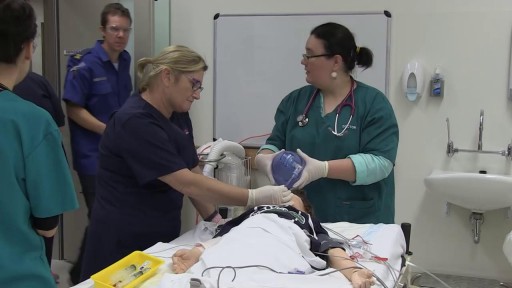
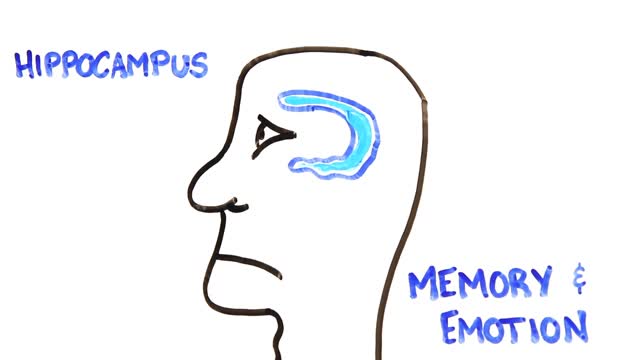
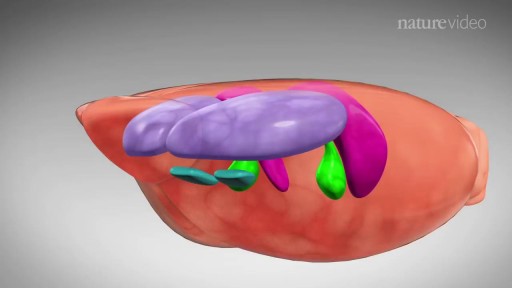
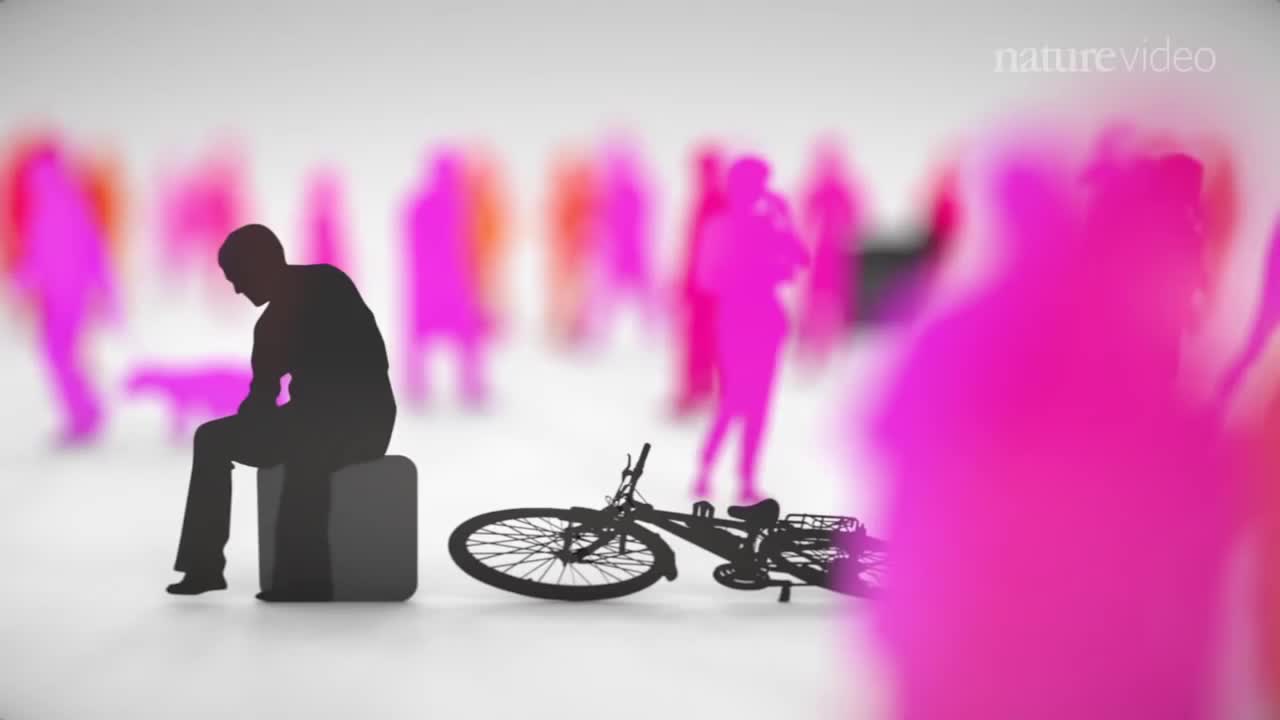



How does shock therapy for depression work?

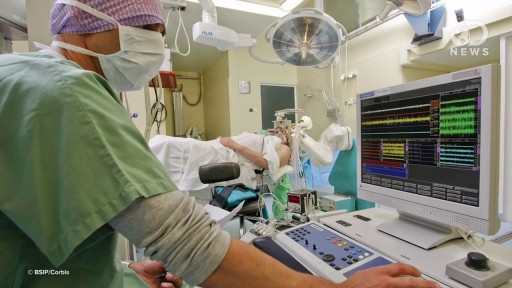
With ECT, electrodes are placed on the patient's scalp and a finely controlled electric current is applied while the patient is under general anesthesia. The current causes a brief seizure in the brain. ECT is one of the fastest ways to relieve symptoms in severely depressed or suicidal patients.
This video in 30 seconds
This video explains how electroconvulsive therapy, referred to as shock therapy, works for depression. It describes electrodes placed on the patient's scalp and a finely controlled electric current applied while the patient is under general anesthesia, causing a brief seizure in the brain.
Key points
- Electrodes are placed on the patient's scalp
- A finely controlled electric current is applied
- The patient is under general anesthesia during the procedure
- The current causes a brief seizure in the brain
Video Overview
This video presents “How does shock therapy for depression work?” — With ECT, electrodes are placed on the patient's scalp and a finely controlled electric current is applied while the patient is under general anesthesia. The current causes a brief seizure in the brain. ECT is one of the fastest ways to. Whether you are preparing for a procedure, studying the technique, or learning how a condition is assessed, the recording shows the process as it is performed in practice.
From our Psychiatry and Psychology collection: Mental health conditions, therapy approaches and the science of behavior explained by specialists. Browse all Psychiatry and Psychology videos →
Educational content only — not a substitute for professional medical advice.
SORT BY-
Top Comments
-
Latest comments