
- Physical Examination
- Surgical Examination
- Ophthalmology
- Clinical Skills
- Orthopedics
- Surgery Videos
- Laparoscopy
- Pediatrics
- Funny Videos
- Cardiothoracic Surgery
- Nursing Videos
- Plastic Surgery
- Otorhinolaryngology
- Histology and Histopathology
- Neurosurgery
- Dermatology
- Pediatric Surgery
- Urology
- Dentistry
- Oncology and Cancers
- Anatomy Videos
- Health and Fitness
- Radiology
- Anaesthesia
- Physical Therapy
- Pharmacology
- Interventional Radiology
- Cardiology
- Endocrinology
- Gynecology
- Emergency Medicine
- Psychiatry and Psychology
- Childbirth Videos
- General Medical Videos
- Nephrology
- Physiology
- Diet and Food Health
- Diabetes Mellitus
- Neurology
- Women Health
- Osteoporosis
- Gastroenterology
- Pulmonology
- Hematology
- Rheumatology
- Toxicology
- Nuclear Medicine
- Infectious Diseases
- Vascular Disease
- Reproductive Health
- Burns and Wound Healing
- Kidney Zone Podcast
- Other




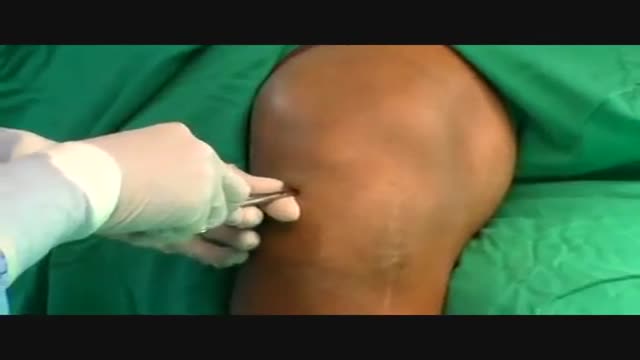
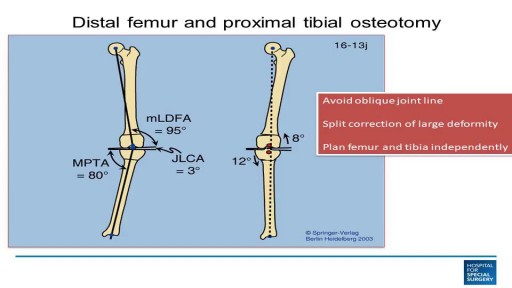
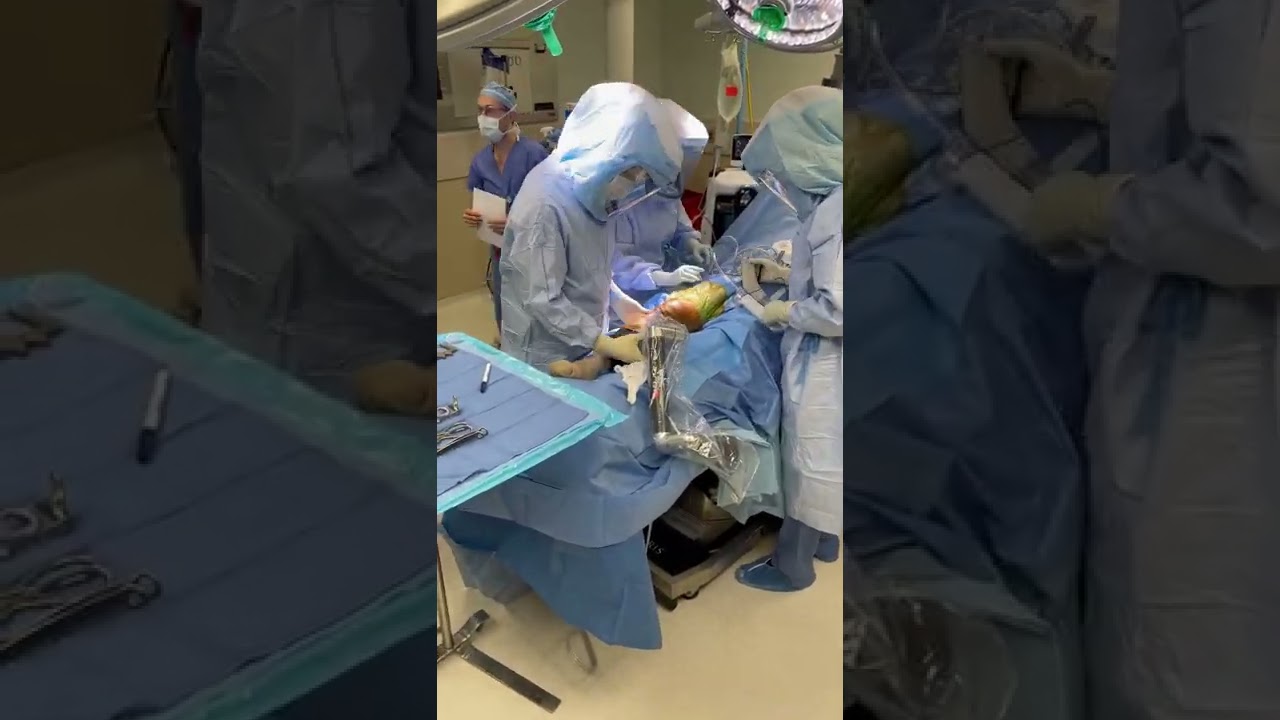
Juvenile Rheumatoid Arthritis

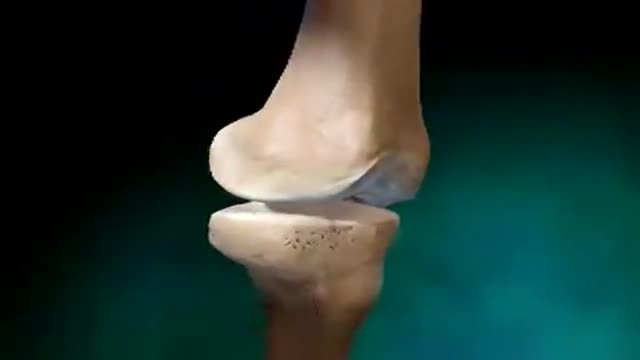
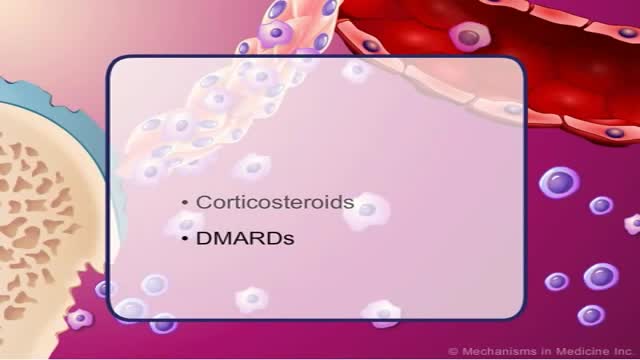
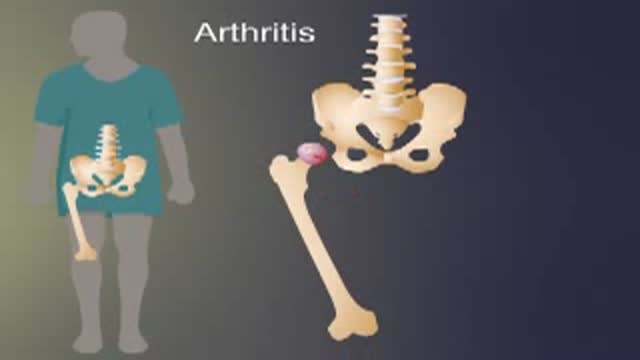
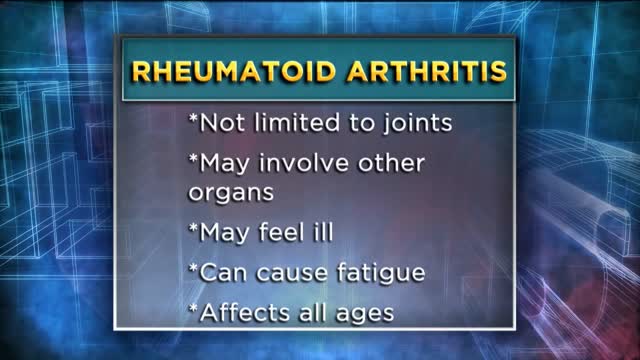
Juvenile rheumatoid arthritis, also known as juvenile idiopathic arthritis, is the most common type of arthritis in children under the age of 17. Juvenile rheumatoid arthritis causes persistent joint pain, swelling and stiffness. Some children may experience symptoms for only a few months, while others have symptoms for the rest of their lives. Some types of juvenile rheumatoid arthritis can cause serious complications, such as growth problems and eye inflammation. Treatment of juvenile rheumatoid arthritis focuses on controlling pain, improving function and preventing joint damage.
This video in 30 seconds
This video explains juvenile rheumatoid arthritis, also known as juvenile idiopathic arthritis. It describes it as the most common type of arthritis in children under 17, causing persistent joint pain, swelling and stiffness, with some children having symptoms for months and others for life, possible serious complications including growth problems and eye inflammation, and treatment focusing on controlling pain, improving function and preventing joint damage.
Key points
- Juvenile rheumatoid arthritis is explained
- Joint pain, swelling and stiffness in children are described
- Complications including growth problems and eye inflammation are covered
- Treatment goals of pain control, function and preventing damage are described
Video Overview
This video presents “Juvenile Rheumatoid Arthritis” — Juvenile rheumatoid arthritis, also known as juvenile idiopathic arthritis, is the most common type of arthritis in children under the age of 17. Juvenile rheumatoid arthritis causes persistent joint pain, swelling and stiffness. Some. Whether you are preparing for a procedure, studying the technique, or learning how a condition is assessed, the recording shows the process as it is performed in practice.
From our Orthopedics collection: Orthopedic surgery videos: fracture fixation, joint replacement, arthroscopy and trauma procedures performed by orthopedic surgeons. Browse all Orthopedics videos →
Educational content only — not a substitute for professional medical advice.
SORT BY-
Top Comments
-
Latest comments