
- Physical Examination
- Surgical Examination
- Ophthalmology
- Clinical Skills
- Orthopedics
- Surgery Videos
- Laparoscopy
- Pediatrics
- Funny Videos
- Cardiothoracic Surgery
- Nursing Videos
- Plastic Surgery
- Otorhinolaryngology
- Histology and Histopathology
- Neurosurgery
- Dermatology
- Pediatric Surgery
- Urology
- Dentistry
- Oncology and Cancers
- Anatomy Videos
- Health and Fitness
- Radiology
- Anaesthesia
- Physical Therapy
- Pharmacology
- Interventional Radiology
- Cardiology
- Endocrinology
- Gynecology
- Emergency Medicine
- Psychiatry and Psychology
- Childbirth Videos
- General Medical Videos
- Nephrology
- Physiology
- Diet and Food Health
- Diabetes Mellitus
- Neurology
- Women Health
- Osteoporosis
- Gastroenterology
- Pulmonology
- Hematology
- Rheumatology
- Toxicology
- Nuclear Medicine
- Infectious Diseases
- Vascular Disease
- Reproductive Health
- Burns and Wound Healing
- Kidney Zone Podcast
- Other
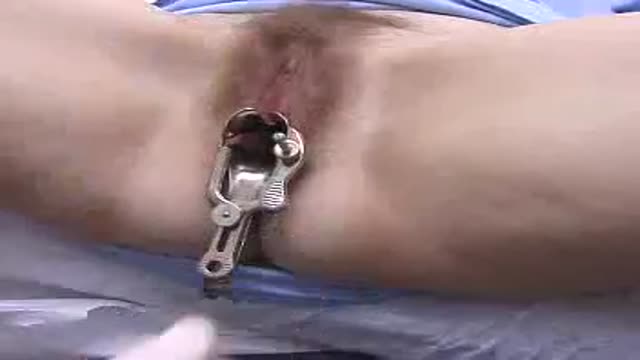





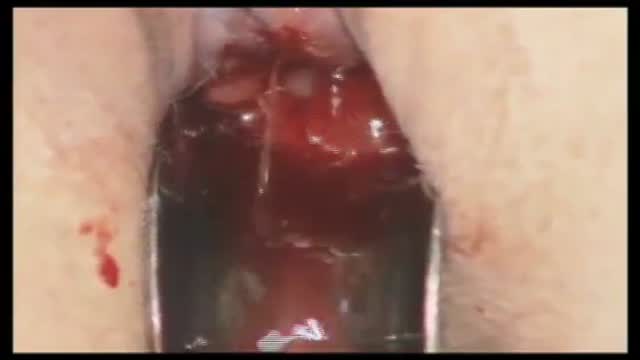

Pap smear test

Educational only: videos on MedicalVideos.com are for general information and are not medical advice. Always consult your own doctor about your health.
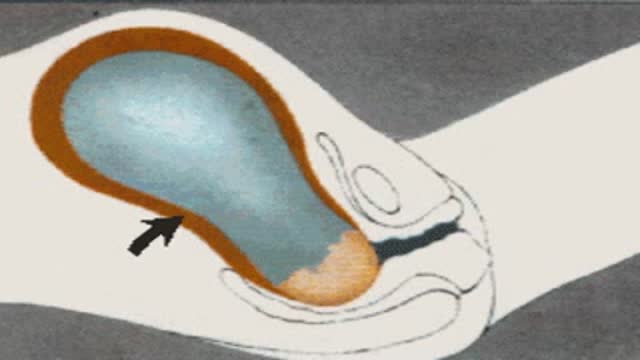
In patients age ;::25, HPV DNA testing is the preferred next step in management if the initial cytology shows ASC-US. In this method, samples are collected for both cytology and reflex HPV DNA. If cytology results are positive, HPV DNA testing is performed. If cytology results are negative, the sample for HPV DNA is discarded. HPV DNA testing along with Pap smear at 3 years is recommended if initial cytology shows ASC-US but HPV DNA testing is negative
This video in 30 seconds
This video covers follow-up after a Pap smear shows ASC-US in patients aged 25 and over, as described in the source. It explains reflex HPV DNA testing on the collected sample and the repeat testing approach described when cytology shows ASC-US but HPV DNA testing is negative.
Key points
- Covers ASC-US cytology results in patients aged 25 and over
- Explains samples being collected for both cytology and reflex HPV DNA testing
- Describes HPV DNA testing being performed when cytology is positive and the sample being discarded when cytology is negative
- Covers repeat HPV DNA testing with Pap smear at 3 years in the situation described
Video Transcript
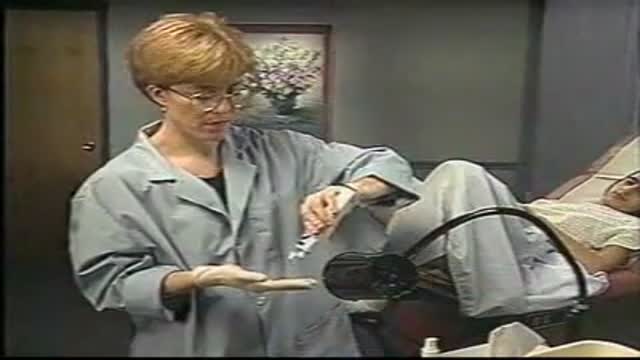
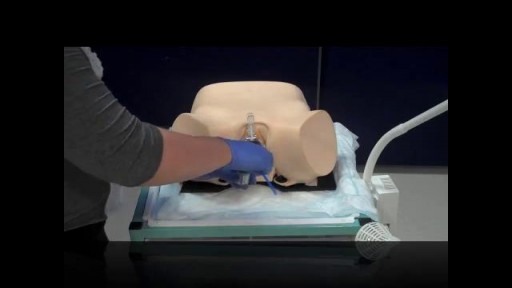
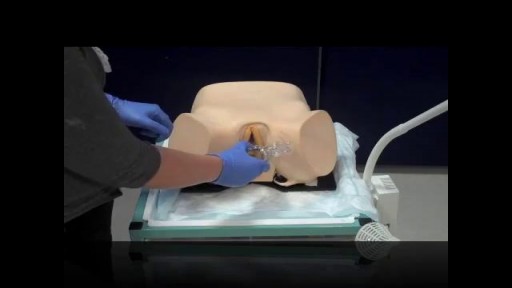
This short instructional clip demonstrates collection technique for a Pap test using a brush and a broom-like device. The narration explains rotating the brush a quarter to half turn against the transformation zone without over-rotating, rinsing it immediately in the ThinPrep solution to release the cells, and how to seat the broom device's central bristles in the endocervical canal so the outer bristles contact the ectocervix.
Read the full transcript
This increases the likelihood that the brush is in contact with the full transformation zone, even if it is not visible. Rotate the brush one quarter to one half turn in one direction only. Do not over rotate. Studies have shown that turning the collection device more than 180 degrees does not increase cellular yield and may cause bleeding. Rinse the brush immediately in the thin prep solution by rotating it ten times while simultaneously pushing against the vial wall. Swirl the brush vigorously to release further material. Discard the brush.
If you prefer to use a broom-like device, insert the central bristles of the broom into the endoservical canal deep enough to allow the shorter outer bristles to fully contact the ecto cervix. Push firmly but gently.
Transcript auto-generated from the video’s audio for accessibility and study. Educational content only — not medical advice.
Video Overview
From our Gynecology collection: Pelvic exams, Pap smears, IUD insertion, hysteroscopy and women's health procedures explained step by step. Browse all Gynecology videos →
Medical Videos
Free medical and surgery videos for patients, students and professionals — trusted since 2007.
Founded by Dr. Mohamed Ibrahim, MD, PhD — physician-scientist.
Follow us on Facebook · Instagram
SORT BY-
Top Comments
-
Latest comments