
- Physical Examination
- Surgical Examination
- Ophthalmology
- Clinical Skills
- Orthopedics
- Surgery Videos
- Laparoscopy
- Pediatrics
- Funny Videos
- Cardiothoracic Surgery
- Nursing Videos
- Plastic Surgery
- Otorhinolaryngology
- Histology and Histopathology
- Neurosurgery
- Dermatology
- Pediatric Surgery
- Urology
- Dentistry
- Oncology and Cancers
- Anatomy Videos
- Health and Fitness
- Radiology
- Anaesthesia
- Physical Therapy
- Pharmacology
- Interventional Radiology
- Cardiology
- Endocrinology
- Gynecology
- Emergency Medicine
- Psychiatry and Psychology
- Childbirth Videos
- General Medical Videos
- Nephrology
- Physiology
- Diet and Food Health
- Diabetes Mellitus
- Neurology
- Women Health
- Osteoporosis
- Gastroenterology
- Pulmonology
- Hematology
- Rheumatology
- Toxicology
- Nuclear Medicine
- Infectious Diseases
- Vascular Disease
- Reproductive Health
- Burns and Wound Healing
- Kidney Zone Podcast
- Other



Pulmonary edema: Treatment, Causes and Symptoms

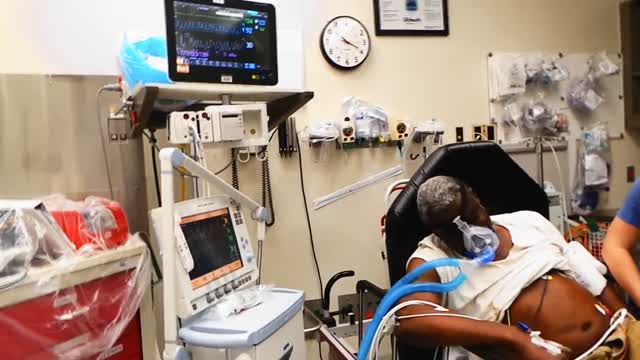
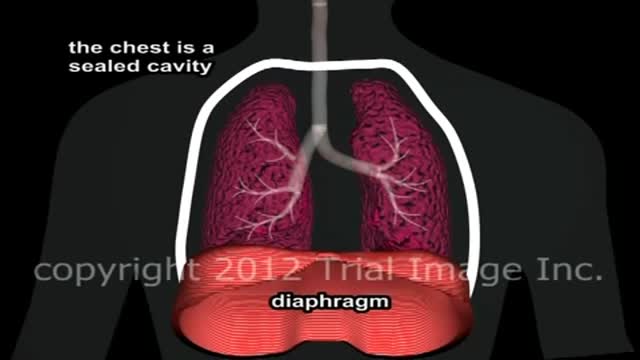
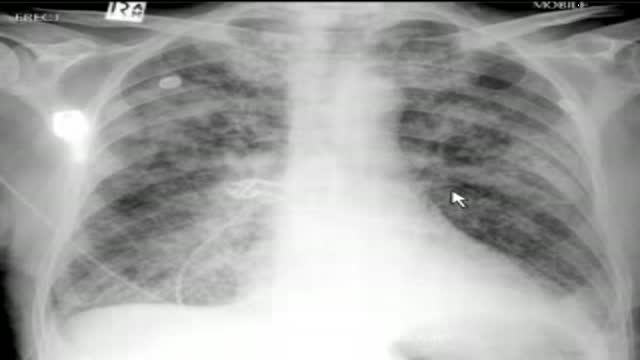
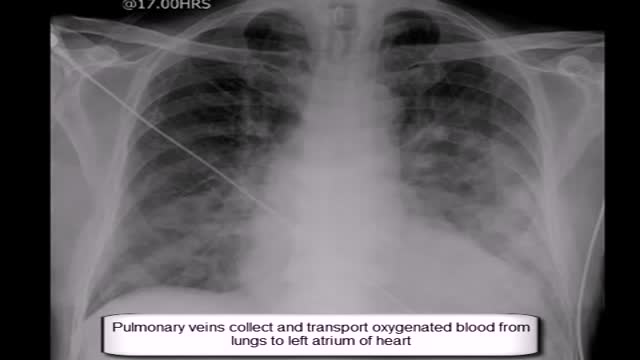
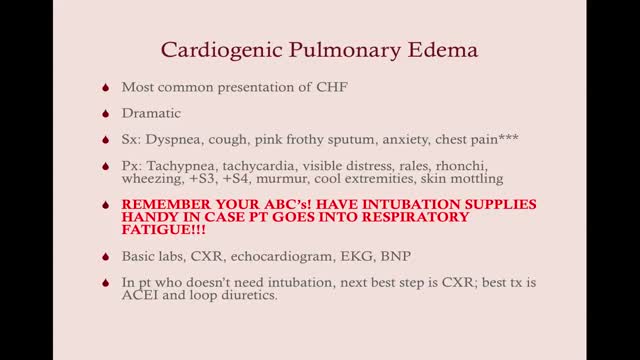
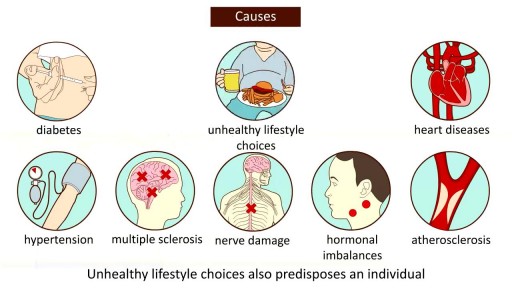
Pulmonary edema is usually caused by a heart condition. Other causes include pneumonia, exposure to certain toxins and drugs, and being at high elevations. Depending on the cause, pulmonary edema symptoms may appear suddenly or develop over time. Mild to extreme breathing difficulty can occur. Cough, chest pain, and fatigue are other symptoms. Treatment generally includes supplemental oxygen and medications.
This video in 30 seconds
This video covers pulmonary edema, its treatment, causes and symptoms. It describes heart conditions as the usual cause, with other causes including pneumonia, certain toxins and drugs and high elevation, and symptoms ranging from mild to extreme breathing difficulty, cough, chest pain and fatigue.
Key points
- Pulmonary edema is described as usually caused by a heart condition
- Pneumonia, toxins, drugs and high elevation are listed as other causes
- Symptoms developing suddenly or over time depending on cause are described
- Breathing difficulty, cough, chest pain and fatigue are listed as symptoms
- Supplemental oxygen and medications are mentioned in general terms as treatment
Video Overview
This video presents “Pulmonary edema: Treatment, Causes and Symptoms” — Pulmonary edema is usually caused by a heart condition. Other causes include pneumonia, exposure to certain toxins and drugs, and being at high elevations. Depending on the cause, pulmonary edema symptoms may appear suddenly or develop. Whether you are preparing for a procedure, studying the technique, or learning how a condition is assessed, the recording shows the process as it is performed in practice.
From our Emergency Medicine collection: Real ER cases, trauma care, resuscitation and urgent procedures performed under pressure. Browse all Emergency Medicine videos →
Educational content only — not a substitute for professional medical advice.
SORT BY-
Top Comments
-
Latest comments