
- Physical Examination
- Surgical Examination
- Ophthalmology
- Clinical Skills
- Orthopedics
- Surgery Videos
- Laparoscopy
- Pediatrics
- Funny Videos
- Cardiothoracic Surgery
- Nursing Videos
- Plastic Surgery
- Otorhinolaryngology
- Histology and Histopathology
- Neurosurgery
- Dermatology
- Pediatric Surgery
- Urology
- Dentistry
- Oncology and Cancers
- Anatomy Videos
- Health and Fitness
- Radiology
- Anaesthesia
- Physical Therapy
- Pharmacology
- Interventional Radiology
- Cardiology
- Endocrinology
- Gynecology
- Emergency Medicine
- Psychiatry and Psychology
- Childbirth Videos
- General Medical Videos
- Nephrology
- Physiology
- Diet and Food Health
- Diabetes Mellitus
- Neurology
- Women Health
- Osteoporosis
- Gastroenterology
- Pulmonology
- Hematology
- Rheumatology
- Toxicology
- Nuclear Medicine
- Infectious Diseases
- Vascular Disease
- Reproductive Health
- Burns and Wound Healing
- Kidney Zone Podcast
- Other
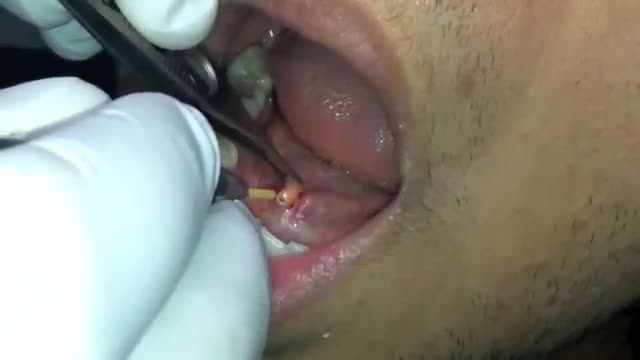
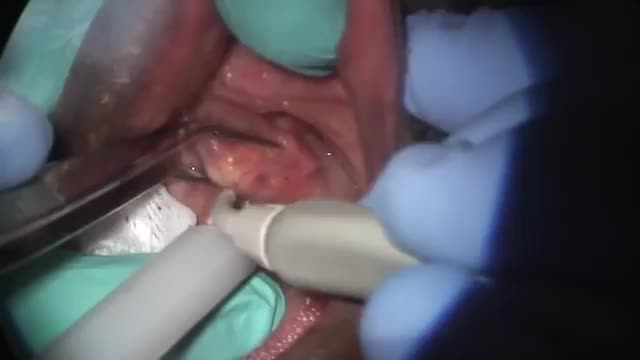

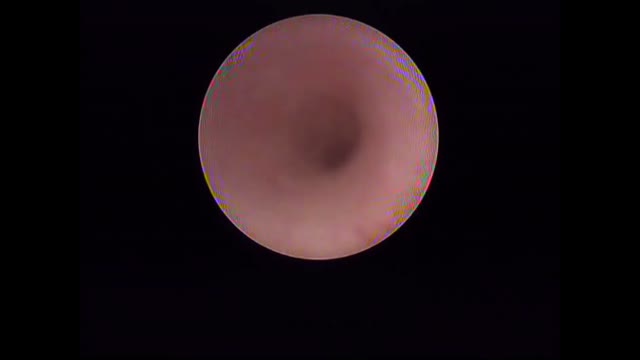






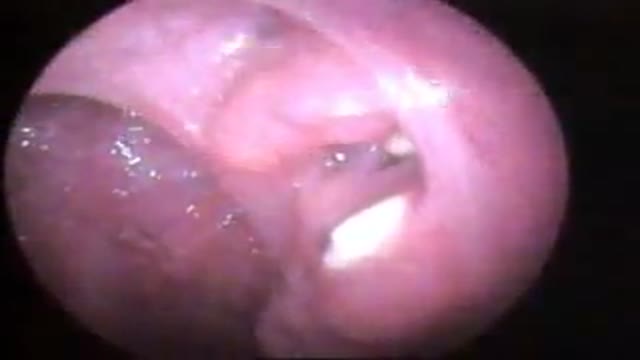

SALIVARY GLAND STONES REMOVAL

Educational only: videos on MedicalVideos.com are for general information and are not medical advice. Always consult your own doctor about your health.
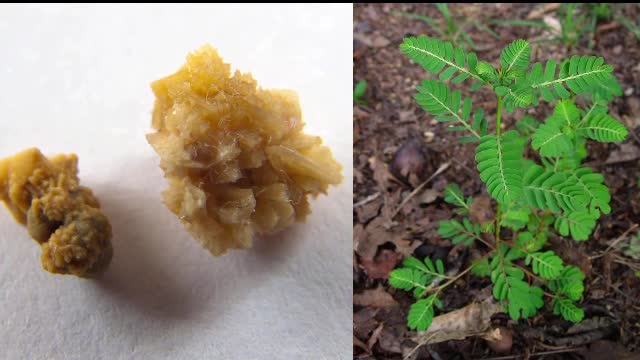
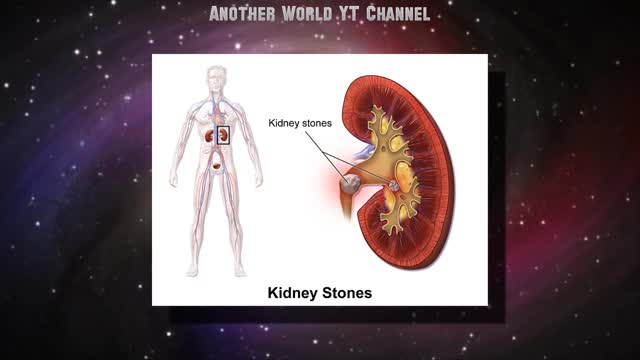
A salivary gland stone -- also called salivary duct stone -- is a calcified structure that may form inside a salivary gland or duct. It can block the flow of saliva into the mouth. The majority of stones affect the submandibular glands located at the floor of the mouth.
This video in 30 seconds
This video shows removal of salivary gland stones. The description defines a salivary gland stone, also called a salivary duct stone, as a calcified structure that may form inside a salivary gland or duct and can block the flow of saliva into the mouth, noting most stones affect the submandibular glands at the floor of the mouth.
Key points
- Shows removal of salivary gland stones
- Defines a salivary duct stone as a calcified structure forming inside a gland or duct
- Explains a stone can block the flow of saliva into the mouth
- Notes the majority of stones affect the submandibular glands at the floor of the mouth
Video Overview
This video presents “SALIVARY GLAND STONES REMOVAL” — A salivary gland stone -- also called salivary duct stone -- is a calcified structure that may form inside a salivary gland or duct. It can block the flow of saliva into the mouth. The majority of stones affect the submandibular glands. Whether you are preparing for a procedure, studying the technique, or learning how a condition is assessed, the recording shows the process as it is performed in practice.
From our Otorhinolaryngology collection: ENT videos: ear, nose and throat surgery — tonsillectomy, sinus surgery, ear procedures and airway conditions explained by specialists. Browse all Otorhinolaryngology videos →
Educational content only — not a substitute for professional medical advice.
SORT BY-
Top Comments
-
Latest comments