- Physical Examination
- Surgical Examination
- Ophthalmology
- Clinical Skills
- Orthopedics
- Surgery Videos
- Laparoscopy
- Pediatrics
- Funny Videos
- Cardiothoracic Surgery
- Nursing Videos
- Plastic Surgery
- Otorhinolaryngology
- Histology and Histopathology
- Neurosurgery
- Dermatology
- Pediatric Surgery
- Urology
- Dentistry
- Oncology and Cancers
- Anatomy Videos
- Health and Fitness
- Radiology
- Anaesthesia
- Physical Therapy
- Pharmacology
- Interventional Radiology
- Cardiology
- Endocrinology
- Gynecology
- Emergency Medicine
- Psychiatry and Psychology
- Childbirth Videos
- General Medical Videos
- Nephrology
- Physiology
- Diet and Food Health
- Diabetes Mellitus
- Neurology
- Women Health
- Osteoporosis
- Gastroenterology
- Pulmonology
- Hematology
- Rheumatology
- Toxicology
- Nuclear Medicine
- Infectious Diseases
- Vascular Disease
- Reproductive Health
- Burns and Wound Healing
- Kidney Zone Podcast
- Other
What Is Anesthesia? Types Explained
General, regional and local anesthesia and sedation explained in plain English — how each type works, how the choice is made, and what you may feel and remember, with the full video inside.
10/24/26 • 135 Views

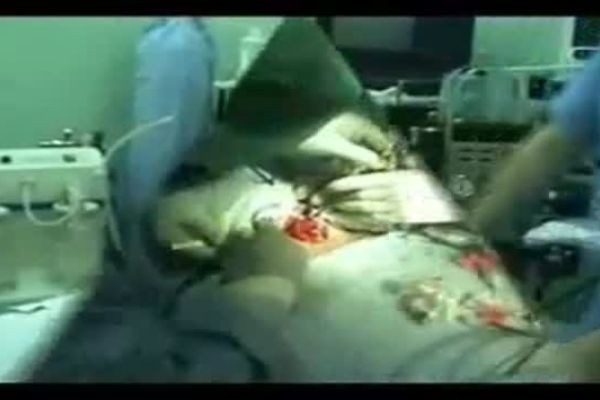
A filling at the dentist and major surgery inside the abdomen can both involve anesthesia — and almost nothing else about the experience is the same. In one, you're wide awake and chatting minutes later. In the other, you remember nothing at all. That's because anesthesia isn't a single drug or a single state. It's a family of approaches, matched to how much of you needs to feel nothing, and for how long. The video at the top of this page, "How drugs work during surgery?", asks the question directly — how does anesthesia work? — and gives the simplest version of the answer: modern practice uses combinations of medicines that ease pain, relax muscles and, in some cases, bring on a deep sleep-like state with temporary amnesia, and the two broad families are medicines that affect the whole body and medicines that only numb things locally. Here's how that family breaks down in practice.
General anesthesia: the whole system, switched off
General anesthesia is the deepest form. You're completely unconscious — not asleep in the ordinary sense, but unaware, unable to feel pain, and not forming memories of the procedure. Because your breathing and reflexes are affected too, a breathing tube or other airway support is often part of the picture, and an anesthesia specialist stays with you throughout, watching breathing, heart rhythm, blood pressure, and oxygen levels and adjusting the medicines as the surgery unfolds. This is the type used when an operation is long, involves the inside of the chest or abdomen, or requires you to be absolutely still. Waking up is gradual, and feeling groggy, chilly, or a little nauseated for a while afterwards is common.
Regional and local: only the area goes quiet
Now shrink the target. Regional anesthesia numbs a larger region — everything below the waist, for example, or a whole arm — while you stay awake, or lightly drowsy if you prefer. Spinal and epidural techniques belong here: medicine placed near the nerves in the back blocks feeling from that part of the body downward. If you'd like to see one of these techniques rather than just read about it, this site's Spinal Anaesthesia video shows how a spinal is done, and our separate guide explains what an epidural is and how it works during labour and surgery. Local anesthesia shrinks the target further still — a small patch of skin, a single tooth, a finger. It's the numbing injection you'll recognise from dentistry or from having a small skin lesion removed, and you're fully awake throughout.
Sedation: the deliberate in-between
Between awake and fully out sits sedation. You're relaxed and drowsy, you may drift in and out, and you often remember little of the procedure afterwards — but you're breathing on your own and can usually respond if you're spoken to. Sedation is frequently paired with local or regional anesthesia: the numbing medicine handles the pain at the site, while the sedation handles the anxiety and awareness around it. Shorter procedures, scans for people who find enclosed spaces difficult, and many endoscopy-type examinations are commonly done this way. The depth can be adjusted — light and chatty at one end, nearly asleep at the other — which is why the same word can describe quite different experiences.
So who picks which one?
Not the patient alone, and not habit. The choice turns on the procedure itself — where it is, how long it takes, how still you need to be — alongside your general health, other medical conditions, medicines you already take, and any previous reactions to anesthesia. That's why you'll usually be asked about allergies, fasting, and past operations beforehand, and why the plan is sometimes a combination rather than a single type. If you're offered a choice, it's a genuine conversation: ask what you'll feel, what you'll remember, and what recovery tends to look like with each option, and let the anesthesia team who will actually be looking after you talk it through.
Frequently Asked Questions
Will I feel anything during general anesthesia?
No — general anesthesia is intended to keep you completely unconscious and unaware, with no memory of the procedure. A specialist monitors you continuously throughout and adjusts the medicines as needed, and waking up afterwards is gradual.
What's the difference between regional and local anesthesia?
Both keep you awake (sedation can be added if you wish). Regional anesthesia numbs a larger area, such as everything below the waist or a whole arm, by blocking nerves further back. Local anesthesia numbs one small spot only, such as a tooth or a patch of skin.
Is sedation the same as being asleep?
Not quite. With sedation you're drowsy and relaxed and may remember little afterwards, but you're breathing on your own and can usually respond to being spoken to. General anesthesia is deeper: you're fully unconscious and your breathing is supported and closely managed by the anesthesia team.
MedicalVideos.com has published trusted medical videos since 2007. The site was founded by Dr. Mohamed Ibrahim, MD, PhD — physician and researcher.
Educational only — this article is general information about anesthesia, not medical advice. Which type of anesthesia, if any, is appropriate for a particular procedure and person should be decided with the treating surgical and anesthesia teams, who know the procedure and your health history. Tell your team about allergies, medicines, and any previous problems with anesthesia before any procedure.
Related Articles