
- Physical Examination
- Surgical Examination
- Ophthalmology
- Clinical Skills
- Orthopedics
- Surgery Videos
- Laparoscopy
- Pediatrics
- Funny Videos
- Cardiothoracic Surgery
- Nursing Videos
- Plastic Surgery
- Otorhinolaryngology
- Histology and Histopathology
- Neurosurgery
- Dermatology
- Pediatric Surgery
- Urology
- Dentistry
- Oncology and Cancers
- Anatomy Videos
- Health and Fitness
- Radiology
- Anaesthesia
- Physical Therapy
- Pharmacology
- Interventional Radiology
- Cardiology
- Endocrinology
- Gynecology
- Emergency Medicine
- Psychiatry and Psychology
- Childbirth Videos
- General Medical Videos
- Nephrology
- Physiology
- Diet and Food Health
- Diabetes Mellitus
- Neurology
- Women Health
- Osteoporosis
- Gastroenterology
- Pulmonology
- Hematology
- Rheumatology
- Toxicology
- Nuclear Medicine
- Infectious Diseases
- Vascular Disease
- Reproductive Health
- Burns and Wound Healing
- Kidney Zone Podcast
- Other
Orthopedics


Stephen has got the medical treatment at Asian Hip Resurfacing Surgical Center in india.
Dr.Vijay Bose (Orthopedic Consultant),
Asian Hip Resurfacing Surgical Center.
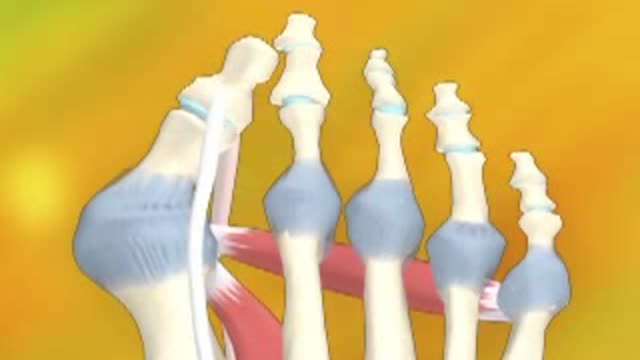

How bunions appear
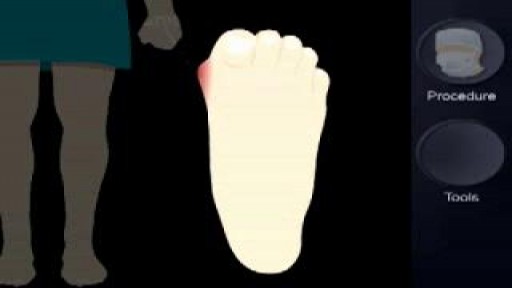
Bunionectomy steps
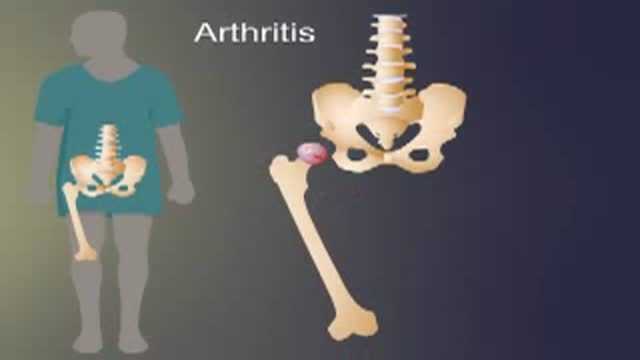
Arthritis of the hip causes severe pain, and sometimes requires surgical treatment, including hip replacement. This animated video show you what hip arthritis is, and how it causes symptoms.

Bilateral High flex knee replacements for British patient. 81 year old Ken Perris is highly satisfied after double flexible knee replacements in Chennai hospital by Orthopaedic surgeon Dr.A.K.Venkatachalam of www.kneeindia.com. High flex or flexible knee replacements confer the ability to kneel, squat, sit cross legged. Minimally invasive surgical approaches reduce pain and hasten recovery.
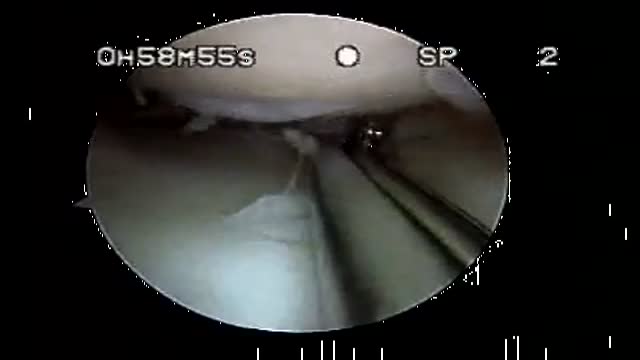
Meniscus allograft survival in patients with moderate to severe unicompartmental arthritis: a 2- to 7-year follow-up.PURPOSE: We present meniscus allograft survival data at least 2 years from surgery for 45 patients (47 allografts) with significant arthrosis to determine if the meniscus can survive ...in an arthritic joint. Type of Study: Prospective, longitudinal survival study. METHODS: Data were collected for 31 men and 14 women, mean age 48 years (range, 14 to 69 years), with preoperative evidence of significant arthrosis and an Outerbridge classification greater than II. Failure is established by previous studies as allograft removal. No patient was lost to follow-up. RESULTS: The success rate was 42 of 47 allografts (89.4%) with a mean failure time of 4.4 years as assessed by Kaplan-Meier survival analysis. Statistical power is greater than 0.9, with alpha = 0.05 and N = 47. There was significant mean improvement in preoperative versus postoperative self-reported measures of pain, activity, and functioning, with P = .001, P = .004, and P = .001, respectively, as assessed by a Wilcoxon rank-sum test with P = .05. CONCLUSIONS: Meniscus allografts can survive in a joint with arthrosis, challenging the contraindications of age and arthrosis severity. These results compare favorably with those in previous reports of meniscus allograft survival in patients without arthrosis. LEVEL OF EVIDENCE: Level IV.

Lumbar Laminotomy and Microdiscectomy

Pectus excavatum (hollow chest) deformity is not uncommon (sometimes mild and other times severe in its form). The chest deformity is often the source of self-consciousness for the patients while growing up. Several surgical techniques (Nuss procedure, Ravitch procedure, etc) are available.
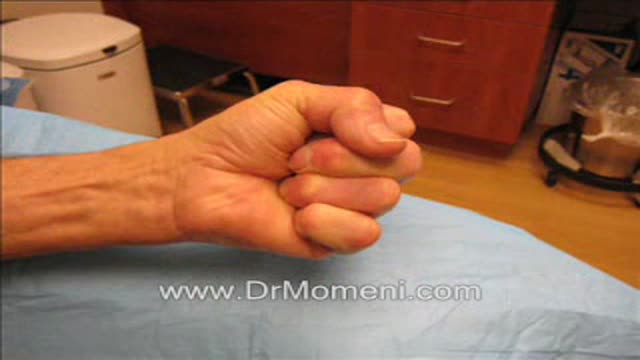
Needle fasciotomy (aponeurotomy) is usually a 15-Minute in-office procedure for Dupuytren's contracture. Performed under local anesthesia, in the office, by board-certified plastic surgeon Reza Momeni, MD. This is a minimally invasive treatment for Dupuytren's.
Arthrocentesis of the Knee

Ulnar head excision in a patient with rheumatoid arthritis who presented with painful and limited forearm rotation. Performed at the Queen Victoria Hospital, East Grinstead

Simple trapeziectomy performed through the anterior approach for osteoarthritis of the thumb-base (trapezio-metacarpal joint). Performed at the Queen Victoria Hospital, East Grinstead.

How to apply a splint on a broken bone

David Beckham Medical Exam
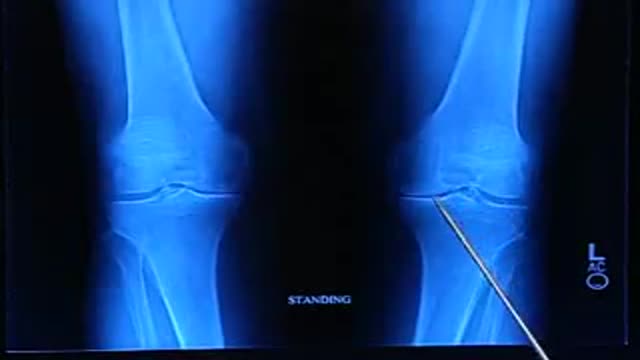
total knee joint replacement surgery
arthroscopic medial menisectomy and plica excision of knee

Carpal tunnel syndrome is a common condition that causes pain, numbness, and tingling in the hand and arm. The condition occurs when one of the major nerves to the hand — the median nerve — is squeezed or compressed as it travels through the wrist. In most patients, carpal tunnel syndrome gets worse over time, so early diagnosis and treatment are important. Early on, symptoms can often be relieved with simple measures like wearing a wrist splint or avoiding certain activities. If pressure on the median nerve continues, however, it can lead to nerve damage and worsening symptoms. To prevent permanent damage, surgery to take pressure off the median nerve may be recommended for some patients.