
- Physical Examination
- Surgical Examination
- Ophthalmology
- Clinical Skills
- Orthopedics
- Surgery Videos
- Laparoscopy
- Pediatrics
- Funny Videos
- Cardiothoracic Surgery
- Nursing Videos
- Plastic Surgery
- Otorhinolaryngology
- Histology and Histopathology
- Neurosurgery
- Dermatology
- Pediatric Surgery
- Urology
- Dentistry
- Oncology and Cancers
- Anatomy Videos
- Health and Fitness
- Radiology
- Anaesthesia
- Physical Therapy
- Pharmacology
- Interventional Radiology
- Cardiology
- Endocrinology
- Gynecology
- Emergency Medicine
- Psychiatry and Psychology
- Childbirth Videos
- General Medical Videos
- Nephrology
- Physiology
- Diet and Food Health
- Diabetes Mellitus
- Neurology
- Women Health
- Osteoporosis
- Gastroenterology
- Pulmonology
- Hematology
- Rheumatology
- Toxicology
- Nuclear Medicine
- Infectious Diseases
- Vascular Disease
- Reproductive Health
- Burns and Wound Healing
- Other
Orthopedics
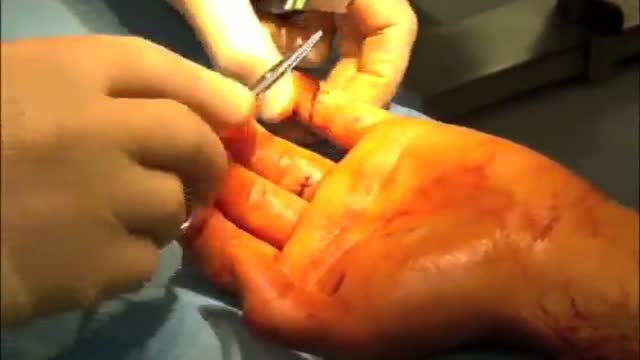

A deep cut on the palm side of your fingers, hand, wrist, or forearm can damage your flexor tendons, which are the tissues that help control movement in your hand. A flexor tendon injury can make it impossible to bend your fingers or thumb.
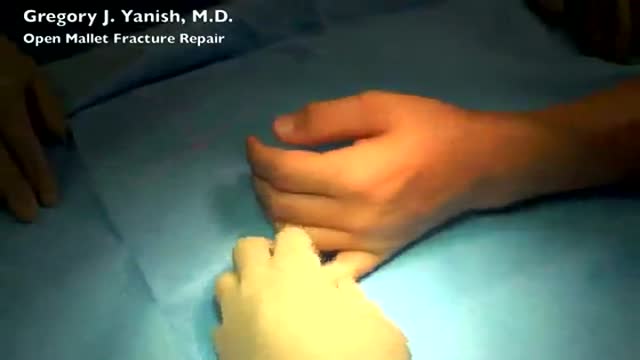
The term mallet finger has long been used to describe the deformity produced by disruption of the terminal extensor mechanism at the distal interphalangeal (DIP) joint. Mallet finger is the most common closed tendon injury that is seen in athletes; this injury is also common in nonathletes after "innocent" trauma. Mallet finger has also been referred to as drop, hammer, or baseball finger (although baseball accounts for only a small percentage of such injuries).

Minimally Invasive Surgery (MIS) Hip Joint Replacement is an advancement in hip replacement that offers important advantages over standard surgical procedures. Stryker has partnered with surgeons worldwide to develop MIS procedures and surgical instruments that are designed to help your surgeons do their very best to help you recover your lifestyle. These techniques bring together a wide variety of hip implants, new minimally invasive surgical techniques, and new instrumentation. The direct anterior approach is one of the minimally invasive techniques used in hip replacement surgery. Continuing orthopaedic experience suggests that this procedure may offer several advantages over the more traditional surgical approaches to hip replacement.1 Traditional hip replacement techniques involve operating from the side (lateral) or the back (posterior) of the hip, which requires a significant disturbance of the joint and connecting tissues and an incision approximately 8-12 inches long. In comparison, the direct anterior approach requires an incision that is only 3-4 inches in length and located at the front of the hip.1 In this position, the surgeon does not need to detach any of the muscles or tendons.

Yoga for Healthy Joint
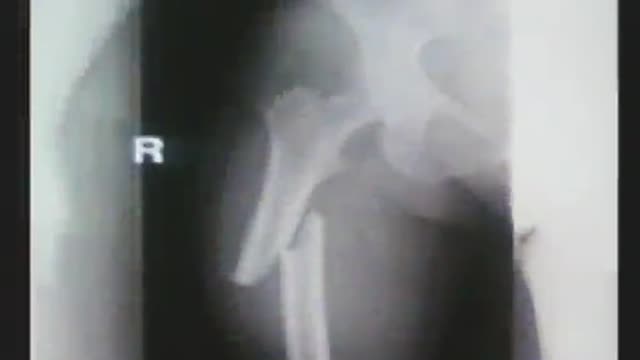
Treating osteoporosis with bisphosphonates, particularly for more than five years, has been linked to some side effects, including atypical femur fractures. Osteoporosis medications are supposed to prevent bone breaks. But if they are taken for too long, the opposite can happen. This video highlights what you need to know as a healthcare professional to educate patients

Robyn Benincasa, an extreme sports adventure racer, marathoner and firefighter maintains her active lifestyle following a hip replacement at St. Vincent Medical Center's Joint Replacement Institute with Dr. Thomas Schmalzried in Los Angeles, California. For more information, please visit: www.jri-docs.com

Total Knee Replacement Patient Information

Heal Interesting Medical Short Film
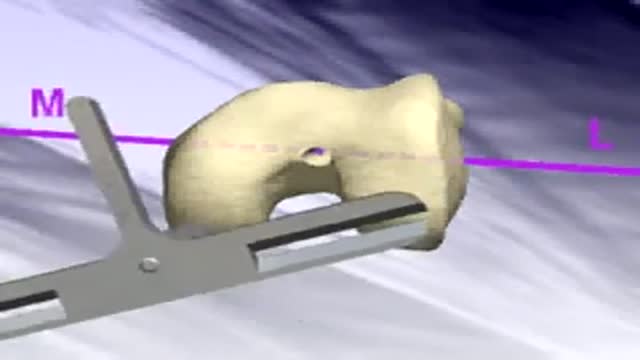
Total Knee Replacement Surgery Animation
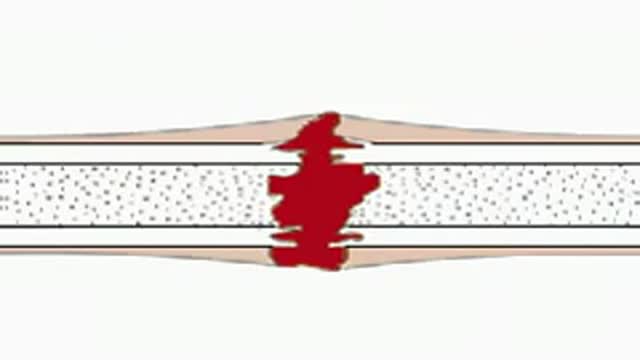
Bone Repair Animation
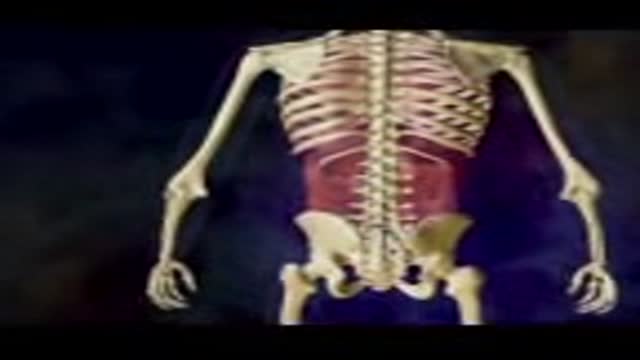
Bone Fractures Types
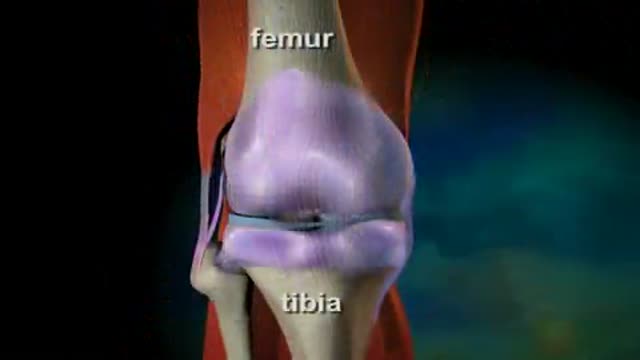
Osteoarthritis is a degenerative joint disease that is caused by the chronic breakdown and eventual loss of cartilage within the joints. As the cartilage wears away, the bones that meet at the joint begin to rub against each other. This can cause extreme pain and can severely reduce movement and flexibility of the joint. Growths of bone, called bone spurs, can also form around the edges of the joint and cause pain. Joint swelling can also occur if the synovial membrane lining the joint becomes irritated, producing excess fluid that collects inside the joint. What Causes Osteoarthritis? More than half of the population age 65 or older have osteoarthritis in at least one joint. Osteoarthritis usually results from injury to a joint or from wear and tear over time. Heredity, lack of use, and being overweight also contribute to the development of osteoarthritis. Treating Osteoarthritis Treatment can include weight loss, physiotherapy, and medication. If the condition becomes severe and mobility is greatly reduced, hip replacement surgery may be necessary.
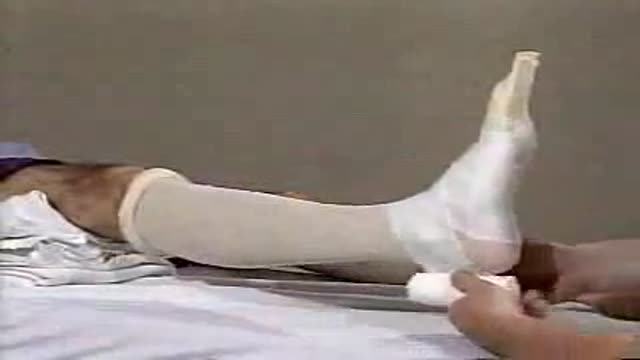
Short Leg Cast
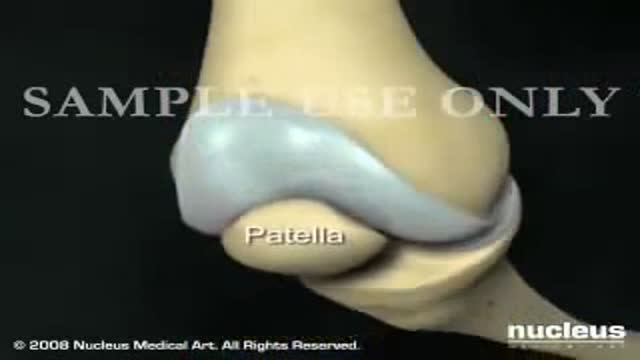
Total Knee Replacement Surgery Video

Hip Replacement Surgery
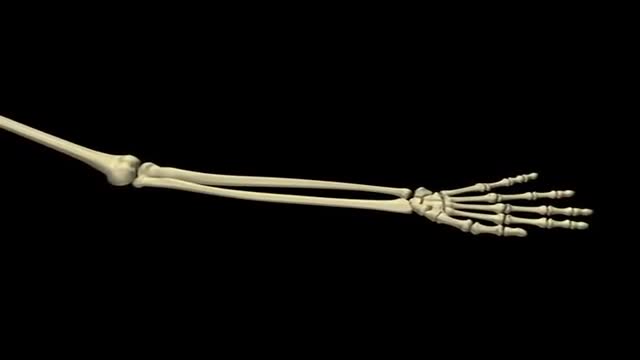
Carpal Tunnel Syndrom 3D Animation
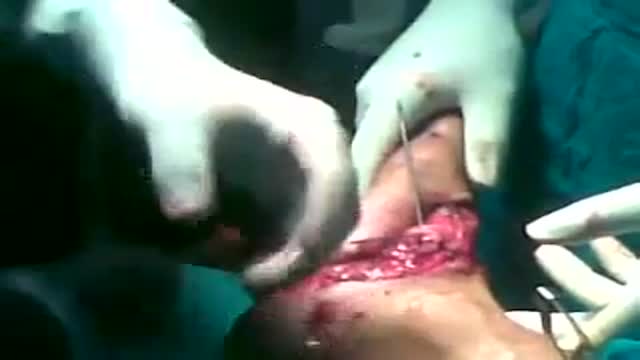
Kirschner wires or K-wires or pins are sterilized, sharpened, smooth stainless steel pins. Introduced in 1909 by Martin Kirschner, the wires are now widely used in orthopaedics and other types of medical and veterinary surgery. They come in different sizes and are used to hold bone fragments together (pin fixation) or to provide an anchor for skeletal traction. The pins are often driven into the bone through the skin (percutaneous pin fixation) using a power or hand drill. They also form part of the Ilizarov apparatus.

Hammer toes and bunions are common foot problems in the western population. An Iraqi patient chose medical tourism to get this treatment in India.

Neglected elbow dislocations are seen in patients hailing from Africa and Asia. A Nigerian patient with this condition was successfully treated by open reduction and external fixator application

Faster, more efficient recovery after Orthopedic surgery
