
- Physical Examination
- Surgical Examination
- Ophthalmology
- Clinical Skills
- Orthopedics
- Surgery Videos
- Laparoscopy
- Pediatrics
- Funny Videos
- Cardiothoracic Surgery
- Nursing Videos
- Plastic Surgery
- Otorhinolaryngology
- Histology and Histopathology
- Neurosurgery
- Dermatology
- Pediatric Surgery
- Urology
- Dentistry
- Oncology and Cancers
- Anatomy Videos
- Health and Fitness
- Radiology
- Anaesthesia
- Physical Therapy
- Pharmacology
- Interventional Radiology
- Cardiology
- Endocrinology
- Gynecology
- Emergency Medicine
- Psychiatry and Psychology
- Childbirth Videos
- General Medical Videos
- Nephrology
- Physiology
- Diet and Food Health
- Diabetes Mellitus
- Neurology
- Women Health
- Osteoporosis
- Gastroenterology
- Pulmonology
- Hematology
- Rheumatology
- Toxicology
- Nuclear Medicine
- Infectious Diseases
- Vascular Disease
- Reproductive Health
- Burns and Wound Healing
- Kidney Zone Podcast
- Other
Pediatrics


If you have gestational diabetes, your baby may be at increased risk of: Excessive birth weight. Extra glucose in your bloodstream crosses the placenta, which triggers your baby's pancreas to make extra insulin. This can cause your baby to grow too large (macrosomia).
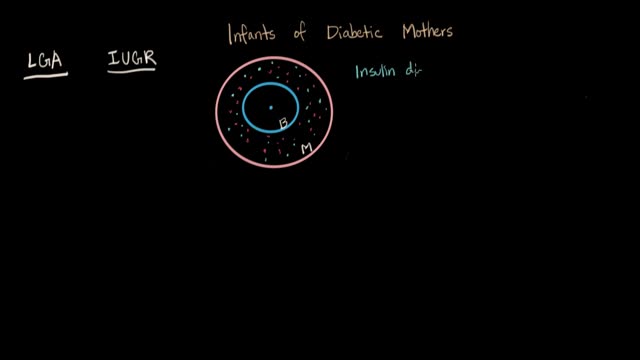
Because the continuous supply of glucose is stopped after birth, the neonate develops hypoglycemia because of insufficient substrate. Stimulation of fetal insulin release by maternal hyperglycemia during labor significantly increases the risk of early hypoglycemia in these infants.

Diagnosis of HIV infection in infants is aided by HIV culture or DNA/RNA polymerase chain reaction (PCR); positive results are confirmed by repeating the test. In suspected cases, HIV testing should occur in the newborn period (ie, before the infant is 48 h old), at age 1-2 months, and again at age 3-6 months.

Beckwith-Wiedemann Syndrome (BWS) is a congenital overgrowth syndrome, which can affect all systems of the body. It was first recognised in 1963-64 by Dr J. Bruce Beckwith, a paediatric pathologist in America and, independently, by Dr H.E. Wiedemann, a German geneticist.

Shaken baby syndrome symptoms and signs include: Extreme irritability Difficulty staying awake Breathing problems Poor eating Tremors Vomiting Pale or bluish skin Seizures Paralysis Coma Other injuries that may not be initially noticeable include bleeding in the brain and eye, damage to the spinal cord and neck and fractures of the ribs, skull and bones. Evidence of prior child abuse also is common.
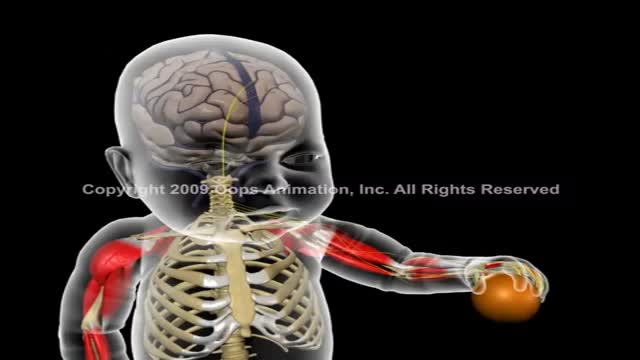
Shaken baby syndrome — also known as abusive head trauma, shaken impact syndrome, inflicted head injury or whiplash shake syndrome — is a serious brain injury resulting from forcefully shaking an infant or toddler. Shaken baby syndrome destroys a child's brain cells and prevents his or her brain from getting enough oxygen. Shaken baby syndrome is a form of child abuse that can result in permanent brain damage or death. Shaken baby syndrome is preventable. Help is available for parents who are at risk of harming a child. Parents also can educate other caregivers about the dangers of shaken baby syndrome.

Progeria (pro-JEER-e-uh), also known as Hutchinson-Gilford syndrome, is an extremely rare, progressive genetic disorder that causes children to age rapidly, beginning in their first two years of life. Children with progeria generally appear normal at birth. During the first year, signs and symptoms, such as slow growth and hair loss, begin to appear. Heart problems or strokes are the eventual cause of death in most children with progeria. The average life expectancy for a child with progeria is about 13 years, but some with the disease die younger and some live 20 years or longer. There's no cure for progeria, but ongoing research shows some promise for treatment.

Hirschsprung's (HIRSH-sproongz) disease is a condition that affects the large intestine (colon) and causes problems with passing stool. The condition is present at birth (congenital) as a result of missing nerve cells in the muscles of the baby's colon. A newborn who has Hirschsprung's disease usually can't have a bowel movement in the days after birth. In mild cases, the condition might not be detected until later in childhood. Uncommonly, Hirschsprung's disease is first diagnosed in adults.

Meet Toby, the baby who was born premature at 24 weeks. He may be small, but he's definitely a fighter! Share his story

A baby born with her heart pumping outside her body has stunned her parents and doctors in India.
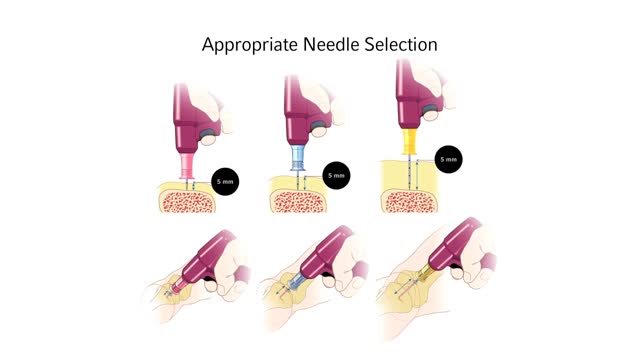
Infant Child Needle Selection and Insertion Technique Animation Video

The differential diagnosis for this child's painless hematochezia includes Meckel's diverticulum as well as vascular malformations. Meckel's diverticulum results from a failure of the vitelline duct to obliterate during the first 8 weeks of gestation, leaving behind a blind pouch often containing ectopic gastric tissue. Meckel's diverticulum classically affects children age ~:2 but can also occur in older children or even adults. Young children are more likely to experience painless bleeding due to mucosal irritation from gastric acid; adolescents and adults are more likely to have signs of obstruction. A technetium-99 nuclear scan will identify the diverticulum, which is usually located in the right lower quadrant of the abdomen within 2 feet of the ileocecal valve. Technetium-99 concentrates in the parietal cells of the diverticulum and stomach. The scan is also known as "Meckel's scan" due to its high specificity. A symptomatic Meckel's diverticulum is generally treated with surgical resection.

-Osler-Rendu-Weber syndrome is characterized by multiple telangiectasias and vascular lesions of the CNS.

-Sturge-Weber syndrome manifests as a facial port-wine stain and leptomeningeal angiomatosis.
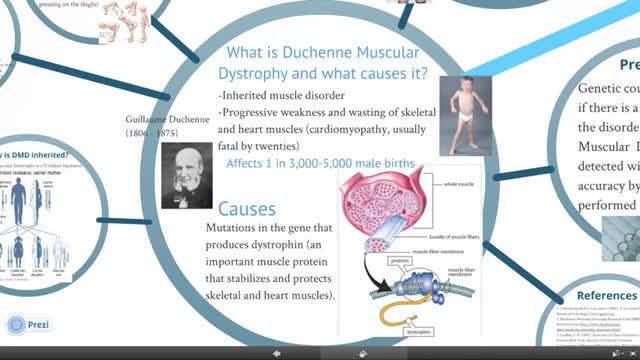
This patient's age, speech delay, bilateral lower-extremity weakness, apparent increase in calf diameter, and history of a wheelchair-bound uncle are typical of Duchenne muscular dystrophy (DMD). DMD is the most common muscular dystrophy of childhood that affects boys who have inherited a defective dystrophin gene on X-chromosome p21. Weakness begins in the proximal lower-extremity muscles and manifests as difficulty walking, running, jumping, and climbing stairs. Boys may push their arms on their thighs (Gower sign) to transition from sitting to standing.

- Group A streptococcal pharyngitis Classic physical examination findings include tonsillar exudates, tender anterior cervical lymphadenopathy, and palatal petechiae. Diagnosis should be confirmed with throat culture (preferred) or rapid antigen testing prior to initiation of antibiotics.

-The management of diaper rash includes frequent changing of diapers, avoiding tight-fitting diapers, exposing the skin to air, using diapers with super absorbent surfaces, and applying barrier creams such as zinc oxide or petrolatum.

-Failure to thrive (FTT) is not a diagnosis in itself; rather, it is a term used to describe failure to gain weight in children younger than two years old. Children categorized as FTT weigh less than the 5th percentile for their age; more severe cases involve a slowing of linear growth and head circumference as well. The three causes of FTT are inadequate calorie intake, inadequate calorie absorption, and increased calorie requirements. Newborn infants need 110 kcal/kg/day, while children up to twelve months need 100

Developmental Delay at Age 3 | Child Development

Delayed puberty is defined as the absence of any signs suggestive of puberty by 14 years of age. In this case, the patient's pubertal delay appears to be constitutional because of his positive family history, absence of syndromic features or systemic illness, and bone age of 12 years. Puberty correlates more closely with bone age than chronological age. On follow-up, the patient will most likely demonstrate a similar onset of puberty as his father.