
- Physical Examination
- Surgical Examination
- Ophthalmology
- Clinical Skills
- Orthopedics
- Surgery Videos
- Laparoscopy
- Pediatrics
- Funny Videos
- Cardiothoracic Surgery
- Nursing Videos
- Plastic Surgery
- Otorhinolaryngology
- Histology and Histopathology
- Neurosurgery
- Dermatology
- Pediatric Surgery
- Urology
- Dentistry
- Oncology and Cancers
- Anatomy Videos
- Health and Fitness
- Radiology
- Anaesthesia
- Physical Therapy
- Pharmacology
- Interventional Radiology
- Cardiology
- Endocrinology
- Gynecology
- Emergency Medicine
- Psychiatry and Psychology
- Childbirth Videos
- General Medical Videos
- Nephrology
- Physiology
- Diet and Food Health
- Diabetes Mellitus
- Neurology
- Women Health
- Osteoporosis
- Gastroenterology
- Pulmonology
- Hematology
- Rheumatology
- Toxicology
- Nuclear Medicine
- Infectious Diseases
- Vascular Disease
- Reproductive Health
- Burns and Wound Healing
- Other
Cardiology
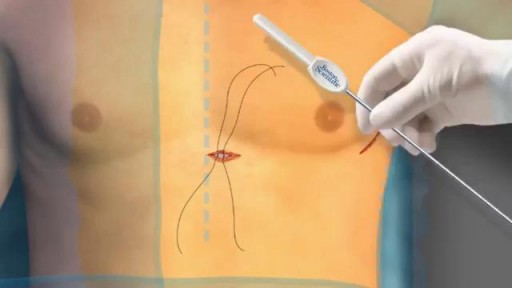

S-ICD leaves the heart and vasculature untouched. It may be implanted using only anatomical landmarks, thereby eliminating the need for fluoroscopy during implant and therefore reducing radiation exposure for both patients and physicians and eliminating the need for lead apron during implant.
A heart attack is a frightening experience. If you have had a heart attack, or are close with someone who has, you are not alone: tens of thousands of Americans survive. As you work toward recovery, please use the following questions and answers to better understand what has happened to you and how you can help your heart heal so you can live a healthier, longer life.
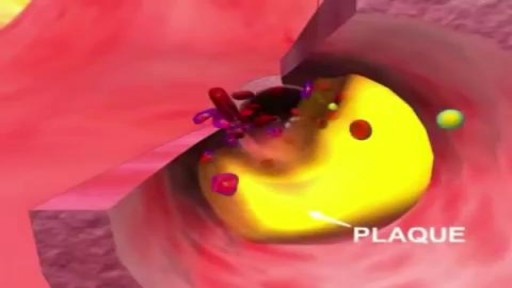
Atherosclerosis is a narrowing of the arteries caused by a buildup of plaque. It’s also called arteriosclerosis or hardening of the arteries. Arteries are the blood vessels that carry oxygen and nutrients from your heart to the rest of your body. As you get older, fat and cholesterol can collect in your arteries and form plaque. The buildup of plaque makes it difficult for blood to flow through your arteries. This buildup may occur in any artery in your body and can result in a shortage of blood and oxygen in various tissues of your body. Pieces of plaque can also break off, causing a blood clot. Atherosclerosis can lead to heart attack, stroke, or heart failure if left untreated.
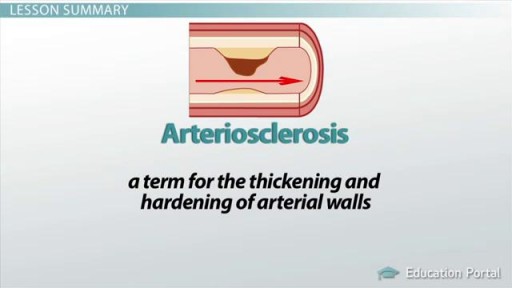
Arteriosclerosis occurs when the blood vessels that carry oxygen and nutrients from your heart to the rest of your body (arteries) become thick and stiff — sometimes restricting blood flow to your organs and tissues. Healthy arteries are flexible and elastic, but over time, the walls in your arteries can harden, a condition commonly called hardening of the arteries. Atherosclerosis is a specific type of arteriosclerosis, but the terms are sometimes used interchangeably. Atherosclerosis refers to the buildup of fats, cholesterol and other substances in and on your artery walls (plaques), which can restrict blood flow. These plaques can burst, triggering a blood clot. Although atherosclerosis is often considered a heart problem, it can affect arteries anywhere in your body. Atherosclerosis may be preventable and is treatable.
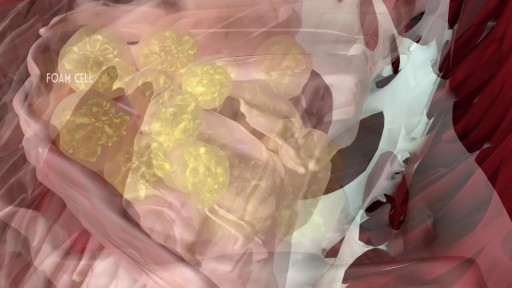
Atherosclerosis is a process in which blood, fats such as cholesterol, and other substances build up on your artery walls. Eventually, deposits called plaques may form. The deposits may narrow — or block — your arteries. These plaques can also rupture, causing a blood clot.

A leaking mitral valve allows blood to flow in two directions during the contraction. Some blood flows from the ventricle through the aortic valve – as it should – and some blood flows back into the atrium. A leaking (or regurgitant) aortic valve allows blood to flow in two directions. Oxygen-rich blood either flows out through the aorta to the body – as it should – or it flows backwards from the aorta into the left ventricle when the ventricle relaxes. Leaking valves can cause the heart to work harder to pump the same amount of blood.
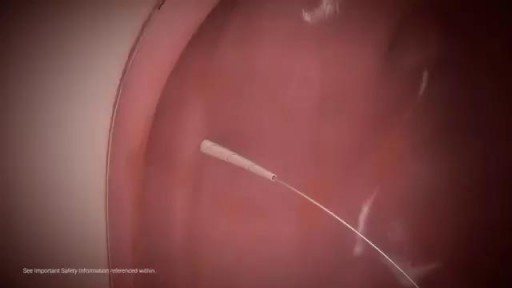
Mitral valve regurgitation, known as leaky heart valve, can be treated with the MitraClip procedure, especially if you're not a candidate for surgery. As premier heart specialists in the Rocky Mountains, Aurora Denver Cardiology Associates physicians perform this procedure and believe it can be an essential treatment for heart health.
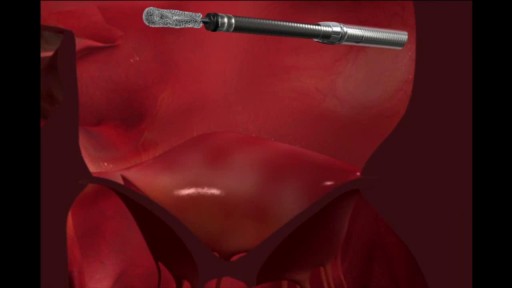
Certain high-surgical-risk patients with severe degenerative mitral regurgitation (DMR) now have a minimally invasive treatment option. MitraClip® therapy is a minimally-invasive transcatheter mitral valve repair (TMVr) procedure that has been established as a proven option with demonstrated safety and clinically important improvements. Used in more than 25,000 patients worldwide, MitraClip® is a well-established therapy. The MitraClip® device received CE Mark approval in Europe in 2008 and U.S. FDA approval in 2013, and has been approved for commercial use in 50 countries throughout the world.
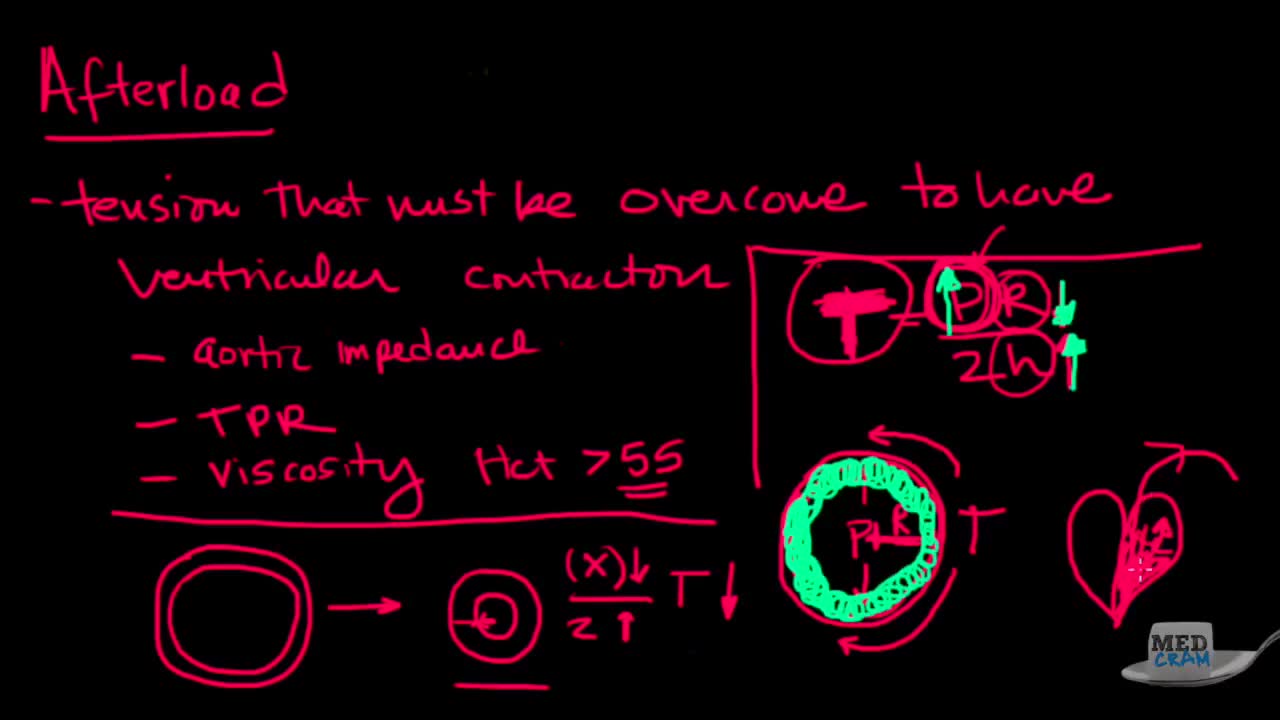
Heart failure can be ongoing (chronic), or your condition may start suddenly (acute). Heart failure signs and symptoms may include: Shortness of breath (dyspnea) when you exert yourself or when you lie down Fatigue and weakness Swelling (edema) in your legs, ankles and feet Rapid or irregular heartbeat Reduced ability to exercise Persistent cough or wheezing with white or pink blood-tinged phlegm Increased need to urinate at night Swelling of your abdomen (ascites) Sudden weight gain from fluid retention Lack of appetite and nausea Difficulty concentrating or decreased alertness Sudden, severe shortness of breath and coughing up pink, foamy mucus Chest pain if your heart failure is caused by a heart attack
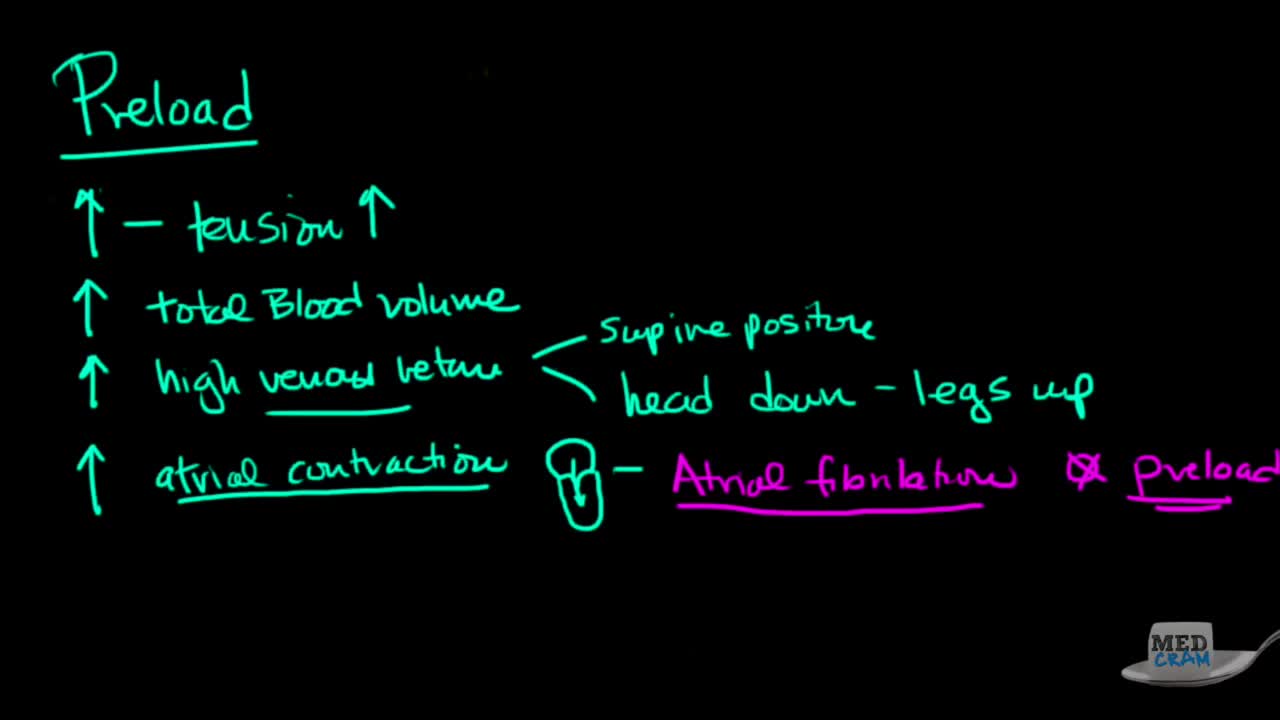
Not all conditions that lead to heart failure can be reversed, but treatments can improve the signs and symptoms of heart failure and help you live longer. Lifestyle changes — such as exercising, reducing salt in your diet, managing stress and losing weight — can improve your quality of life.
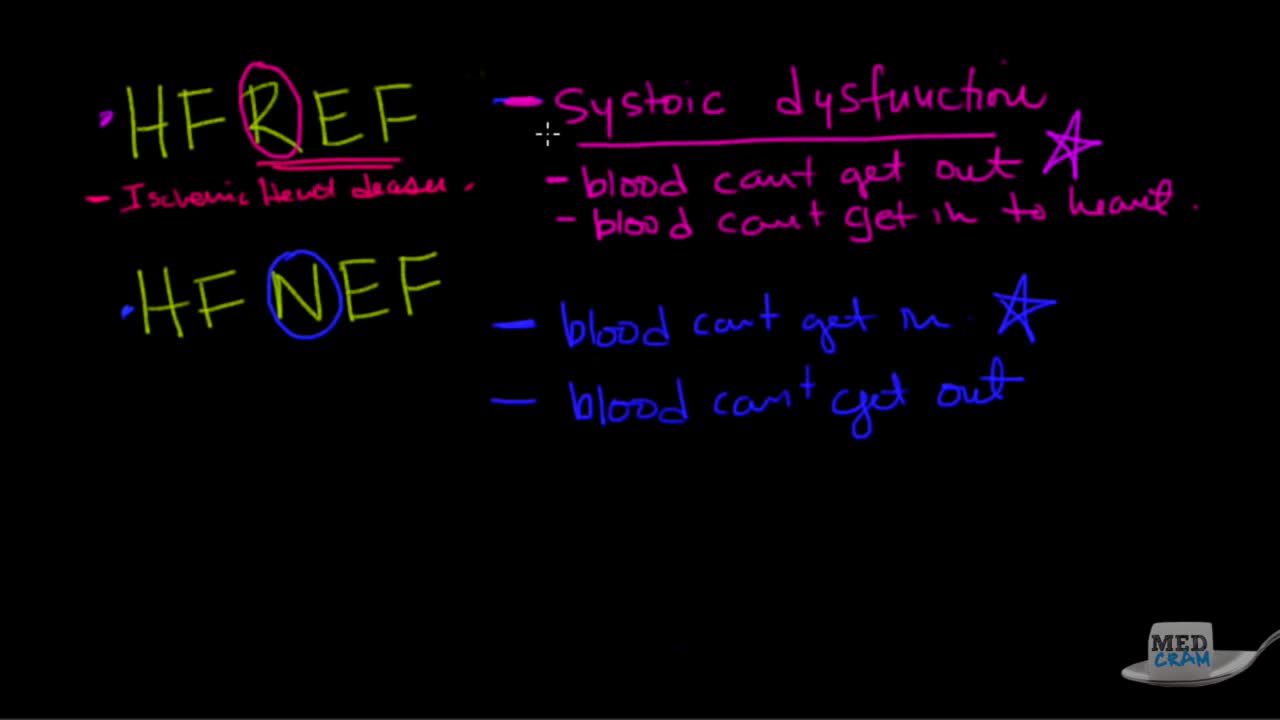
Heart failure, sometimes known as congestive heart failure, occurs when your heart muscle doesn't pump blood as well as it should. Certain conditions, such as narrowed arteries in your heart (coronary artery disease) or high blood pressure, gradually leave your heart too weak or stiff to fill and pump efficiently.
Angina, stroke and other vascular conditions are often caused by atherosclerosis ('arteriosclerosis') and treated by stenting, where doctors open up a blocked artery in the heart by inserting a sliver of metal into the artery to keep it open. However, there are allegations that far too many stents are being put in when medications and lifestyle changes could do the job just as well if not better.
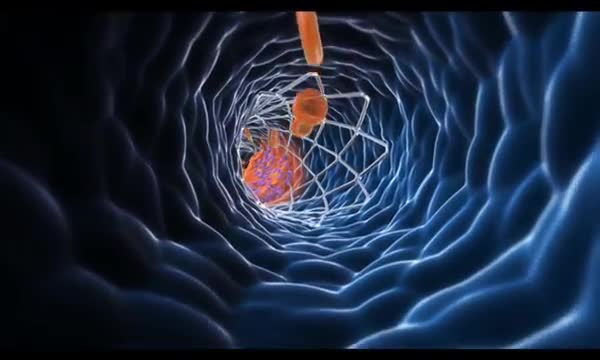
This video describes the effects of heart disease and explains how stents are used to treat damaged arteries.

Percutaneous transluminal coronary angioplasty (PTCA) is a minimally invasive procedure to open up blocked coronary arteries, allowing blood to circulate unobstructed to the heart muscle.
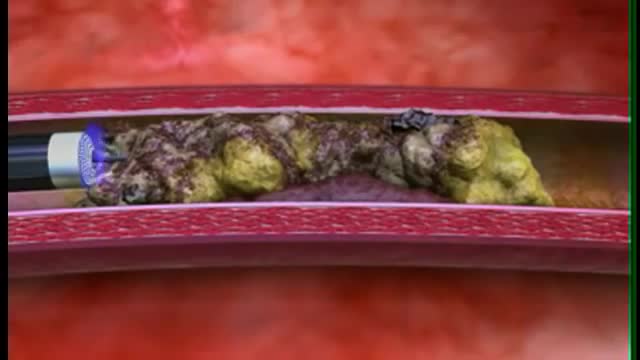
PAD laser plaque removal
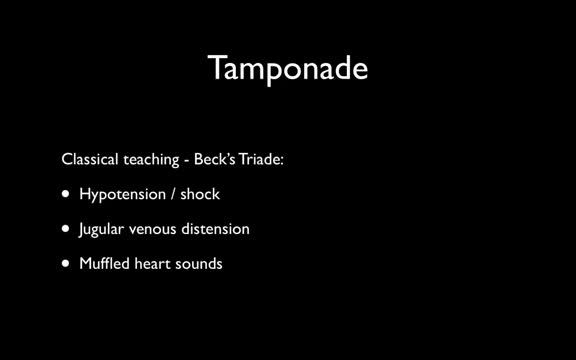
Cardiac tamponade is a medical emergency that requires urgent drainage of the pericardial fluid. Preferably, patients should be monitored in an intensive care unit. All patients should receive the following: Oxygen Volume expansion with blood, plasma, dextran, or isotonic sodium chloride solution, as necessary, to maintain adequate intravascular volume - Sagristà-Sauleda et al noted significant increase in cardiac output after volume expansion [24] (see the Cardiac Output calculator) Bed rest with leg elevation - This may help increase venous return Positive-pressure mechanical ventilation should be avoided because it may decrease venous return and aggravate signs and symptoms of tamponade. Inpatient care After pericardiocentesis, leave the intrapericardial catheter in place after securing it to the skin using sterile procedure and attaching it to a closed drainage system via a 3-way stopcock. Periodically check for reaccumulation of fluid, and drain as needed. The catheter can be left in place for 1-2 days and can be used for pericardiocentesis. Serial fluid cell counts can be useful for helping to discover an impending bacterial catheter infection, which could be catastrophic. If the white blood cell (WBC) count rises significantly, the pericardial catheter must be removed immediately. A Swan-Ganz catheter can be left in place for continuous monitoring of hemodynamics and to assess the effect of reaccumulation of pericardial fluid. A repeat echocardiogram and a repeat chest radiograph should be performed within 24 hours.
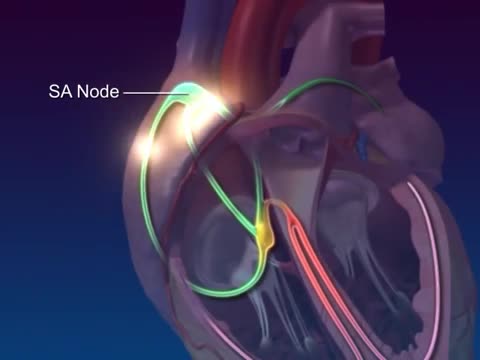
The cardiac conduction system is a group of specialized cardiac muscle cells in the walls of the heart that send signals to the heart muscle causing it to contract. The main components of the cardiac conduction system are the SA node, AV node, bundle of His, bundle branches, and Purkinje fibers.
Coronary artery vasospasm, or smooth muscle constriction of the coronary artery, is an important cause of chest pain syndromes that can lead to myocardial infarction (MI), ventricular arrhythmias, and sudden death. It also plays a key role in the development of atherosclerotic lesions.Nov 22, 2016
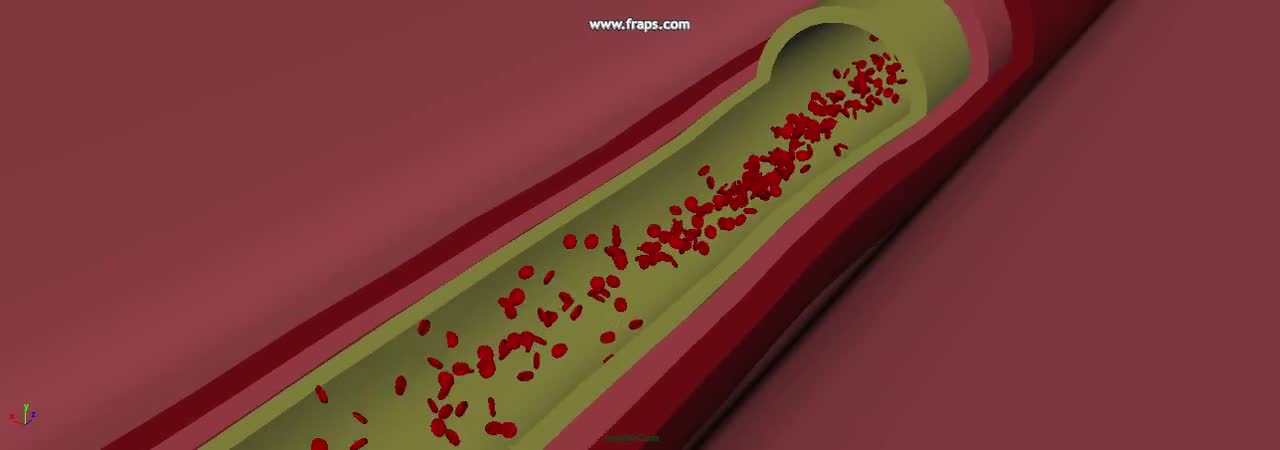
Prinzmetal's or Prinzmetal angina (/ˈprɪntsmɛtəl/, sounds like "prints metal") (also known as variant angina, vasospastic angina (VSA), angina inversa, or coronary vessel spasm) is a syndrome typically consisting of angina (cardiac chest pain) at rest that occurs in cycles.
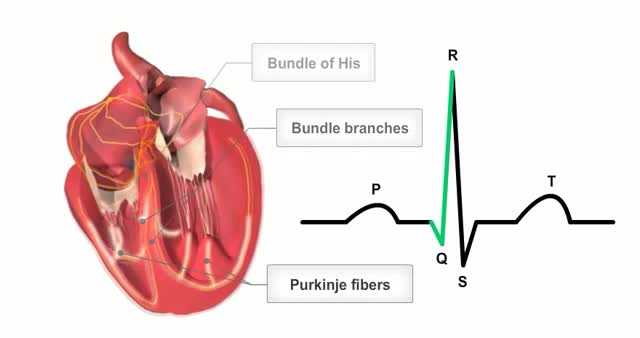
The heart's conductions system controls the generation and propagation of electric signals or action potentials causing the hearts muscles to contract and the heart to pump blood.
