
- Physical Examination
- Surgical Examination
- Ophthalmology
- Clinical Skills
- Orthopedics
- Surgery Videos
- Laparoscopy
- Pediatrics
- Funny Videos
- Cardiothoracic Surgery
- Nursing Videos
- Plastic Surgery
- Otorhinolaryngology
- Histology and Histopathology
- Neurosurgery
- Dermatology
- Pediatric Surgery
- Urology
- Dentistry
- Oncology and Cancers
- Anatomy Videos
- Health and Fitness
- Radiology
- Anaesthesia
- Physical Therapy
- Pharmacology
- Interventional Radiology
- Cardiology
- Endocrinology
- Gynecology
- Emergency Medicine
- Psychiatry and Psychology
- Childbirth Videos
- General Medical Videos
- Nephrology
- Physiology
- Diet and Food Health
- Diabetes Mellitus
- Neurology
- Women Health
- Osteoporosis
- Gastroenterology
- Pulmonology
- Hematology
- Rheumatology
- Toxicology
- Nuclear Medicine
- Infectious Diseases
- Vascular Disease
- Reproductive Health
- Burns and Wound Healing
- Other
Latest videos
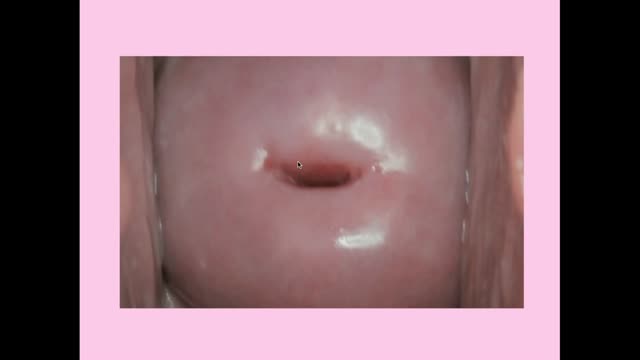

By 5 weeks' gestational age, the wolffian (ie, mesonephric) and the müllerian (ie, paramesonephric) ducts have formed from intermediate mesoderm. In the absence of testosterone and müllerian inhibitory substance, the mesonephric ducts regress and the paramesonephric ducts continue to form the female reproductive structures with fusion of the distal portions of the paramesonephric ducts to give rise to the uterine fundus, the cervix, and the upper vagina. These developmental changes are genetically controlled in large part by a series of complex transcriptional signaling pathways including Wnt signaling, Hox genes, and many others. In a female fetus, the wolffian duct disappears except for nonfunctional vestiges. The müllerian duct is lined by a columnar epithelium. This includes the entire cervix and upper vagina to the vaginal plate (ie, sinovaginal bulb). Through a process of squamous metaplasia, the vagina and a variable portion of the ectocervix become covered with squamous epithelium. This process is complete by the fifth month of pregnancy.
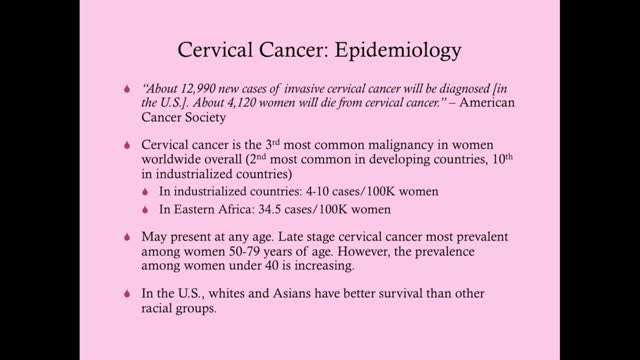
Cervical cancer can often be found early, and sometimes even prevented entirely, by having regular Pap tests. If detected early, cervical cancer is one of the most successfully treatable cancers.
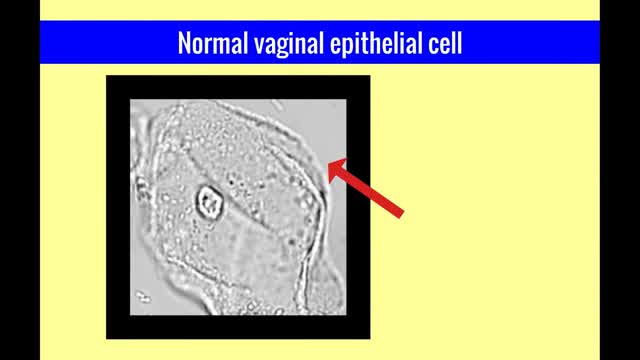
The vulvar vaginal diseases service sees referrals to help women with short--and long--term problems of the outer genital area (vulva), vagina and pelvic floor muscles including: Vulvar vaginal burning, itching, irritation and pain Vulvar Vestibulitis Pain with intercourse Discharge Yeast infections Bacterial vaginosis Pelvic floor muscle dysfunction A patient must be referred by her local health care provider. Services include: Skin care education Examinations-Your healthcare provider will examine you and talk with you about recommendations for treatment and/or management of your symptoms. Some vulvar diseases require a biopsy to diagnose the condition. Referrals-Your healthcare team may refer you to other specialists, including physical therapists or health psychologists. Separate insurance authorization is necessary for these services. The clinic staff provides general education and support to help women cope with these very personal health problems. Following a clinic visit, a letter is promptly sent to your local health care provider. The letter provides the results of your exam and the plan of care.

Every woman is different. So are her experiences of pregnancy. Not every woman has the same symptoms or even the same symptoms from one pregnancy to the next. Also, because the early symptoms of pregnancy often mimic the symptoms you might experience right before and during menstruation, you may not realize you're pregnant. What follows is a description of some of the most common early symptoms of pregnancy. You should know that these symptoms may be caused by other things besides being pregnant. So the fact that you notice some of these symptoms does not necessarily mean you are pregnant. The only way to tell for sure is with a pregnancy test.

Infant jaundice is a yellow discoloration in a newborn baby's skin and eyes. Infant jaundice occurs because the baby's blood contains an excess of bilirubin (bil-ih-ROO-bin), a yellow-colored pigment of red blood cells. Infant jaundice is a common condition, particularly in babies born before 38 weeks gestation (preterm babies) and some breast-fed babies. Infant jaundice usually occurs because a baby's liver isn't mature enough to get rid of bilirubin in the bloodstream. In some cases, an underlying disease may cause jaundice. Treatment of infant jaundice often isn't necessary, and most cases that need treatment respond well to noninvasive therapy. Although complications are rare, a high bilirubin level associated with severe infant jaundice or inadequately treated jaundice may cause brain damage.
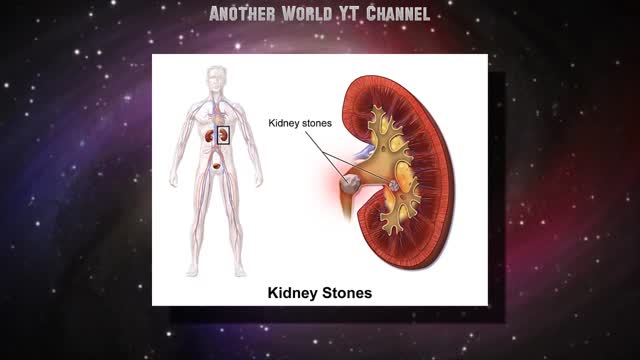
A kidney stone may not cause symptoms until it moves around within your kidney or passes into your ureter — the tube connecting the kidney and bladder. At that point, you may experience these signs and symptoms: Severe pain in the side and back, below the ribs Pain that spreads to the lower abdomen and groin Pain that comes in waves and fluctuates in intensity Pain on urination Pink, red or brown urine Cloudy or foul-smelling urine Nausea and vomiting Persistent need to urinate Urinating more often than usual Fever and chills if an infection is present Urinating small amounts of urine Pain caused by a kidney stone may change — for instance, shifting to a different location or increasing in intensity — as the stone moves through your urinary tract.

The Urinary System is a group of organs in the body concerned with filtering out excess fluid and other substances from the bloodstream. The substances are filtered out from the body in the form of urine. Urine is a liquid produced by the kidneys, collected in the bladder and excreted through the urethra.

Watch Inside Of Gall bladder - Stone Removed

Cholangitis Email this page to a friend Email this page to a friend Facebook Twitter Google+ Cholangitis is an infection of the bile ducts, the tubes that carry bile from the liver to the gallbladder and intestines. Bile is a liquid made by the liver that helps digest food. Causes Cholangitis is most often caused by bacteria. This can occur when the duct is blocked by something, such as a gallstone or tumor. The infection causing this condition may also spread to the liver. Risk factors include a previous history of gallstones, sclerosing cholangitis, HIV, narrowing of the common bile duct, and rarely, travel to countries where you might catch a worm or parasite infection. Symptoms The following symptoms may occur: Pain on the upper right side or upper middle part of the abdomen. It may also be felt in the back or below the right shoulder blade. The pain may come and go and feel sharp, cramp-like, or dull. Fever and chills. Dark urine and clay-colored stools. Nausea and vomiting. Yellowing of the skin (jaundice), which may come and go.
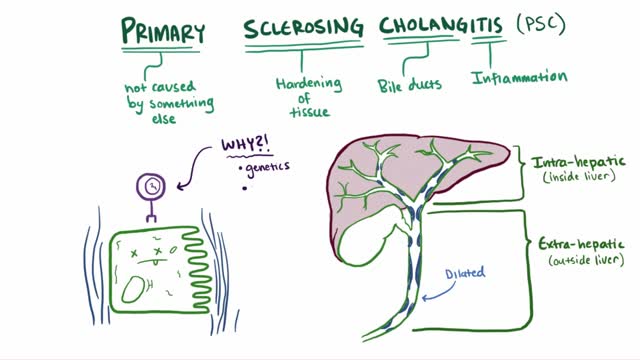
Primary sclerosing (skluh-ROHS-ing) cholangitis (koh-lan-JIE-tis) is a disease of the bile ducts, which carry the digestive liquid bile from your liver to your small intestine. In primary sclerosing cholangitis, inflammation causes scars within the bile ducts. These scars make the ducts hard and narrow and gradually cause serious liver damage. In most people with primary sclerosing cholangitis, the disease progresses slowly and can lead to liver failure, repeated infections, and tumors of the bile duct or liver. Liver transplant is the only known cure for primary sclerosing cholangitis. The search for other treatments to slow or stop primary sclerosing cholangitis is ongoing, and scientists have turned up many promising leads. Until better treatments are proved safe and effective, though, care for primary sclerosing cholangitis focuses on monitoring liver function, managing symptoms and, when possible, doing procedures that temporarily open blocked bile ducts.
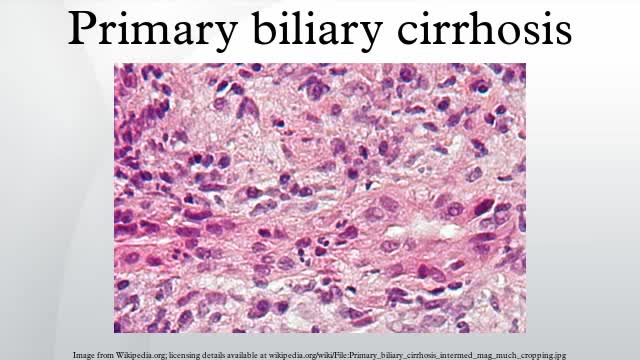
Primary biliary cirrhosis, sometimes called PBC, is a disease in which the bile ducts in your liver are slowly destroyed. Bile, a fluid produced in your liver, plays a role in digesting food and helps rid your body of worn-out red blood cells, cholesterol and toxins. When bile ducts are damaged, as in primary biliary cirrhosis, harmful substances can build up in your liver and sometimes lead to irreversible scarring of liver tissue (cirrhosis). Primary biliary cirrhosis is considered an autoimmune disease, in which the body turns against its own cells. Researchers think it is triggered by a combination of genetic and environmental factors. Primary biliary cirrhosis usually develops slowly and medication can slow its progression, especially if treatment begins early.
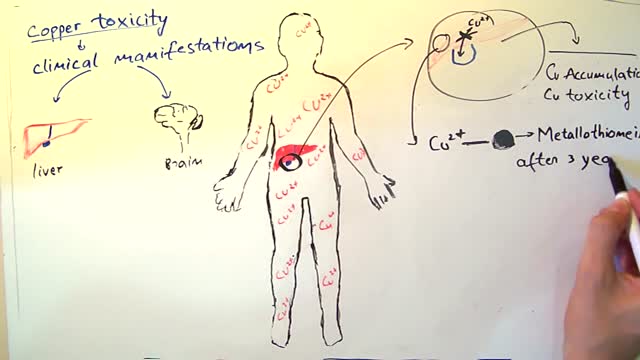
Wilson's disease is a rare inherited disorder that causes too much copper to accumulate in your liver, brain and other vital organs. Symptoms typically begin between the ages of 12 and 23. Copper plays a key role in the development of healthy nerves, bones, collagen and the skin pigment melanin. Normally, copper is absorbed from your food, and any excess is excreted through bile — a substance produced in your liver. But in people with Wilson's disease, copper isn't eliminated properly and instead accumulates, possibly to a life-threatening level. When diagnosed early, Wilson's disease is treatable, and many people with the disorder live normal lives.
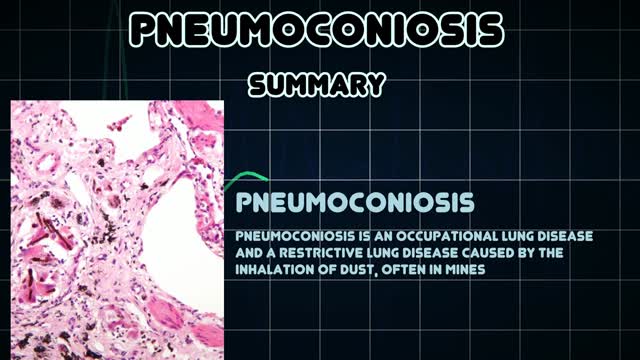
Pneumoconiosis is a general term given to any lung disease caused by dusts that are breathed in and then deposited deep in the lungs causing damage. Pneumoconiosis is usually considered an occupational lung disease, and includes asbestosis, silicosis and coal workers' pneumoconiosis (CWP), also known as "Black Lung Disease."

Asbestosis (as-bes-TOE-sis) is a chronic lung disease caused by inhaling asbestos fibers. Prolonged exposure to these fibers can cause lung tissue scarring and shortness of breath. Asbestosis symptoms can range from mild to severe, and usually don't appear until many years after continued exposure. Asbestos is a natural mineral product that's resistant to heat and corrosion. It was used extensively in the past in products such as insulation, cement and some floor tiles. Most people with asbestosis acquired it on the job before the federal government began regulating the use of asbestos and asbestos products in the 1970s. Today, its handling is strictly regulated. Acquiring asbestosis is extremely unlikely if you follow your employer's safety procedures. Treatment focuses on relieving your symptoms.

Slicosis is caused by inhalation of unbound (free) crystalline silica dust and is characterized by nodular pulmonary fibrosis. Chronic silicosis initially causes no symptoms or only mild dyspnea but over years can advance to involve most of the lung and cause dyspnea, hypoxemia, pulmonary hypertension, and respiratory impairment. Diagnosis is based on history and chest x-ray findings. No effective treatment exists except supportive care and, for severe cases, lung transplantation.
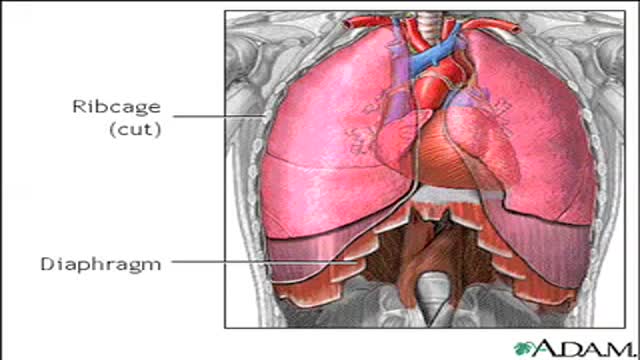
How Do We Breathe ?
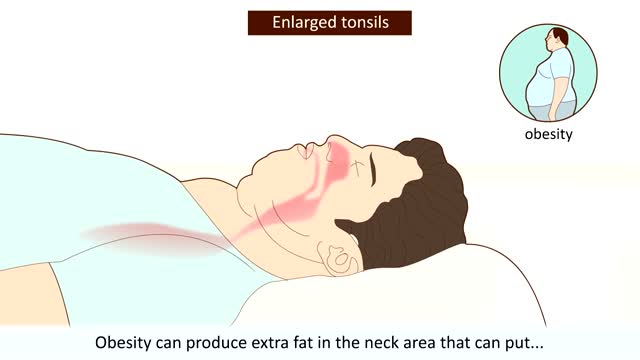
What Is Sleep Apnea? When you have this condition, your breath can become very shallow or you may even stop breathing -- briefly -- while you sleep. It can happen many times a night in some people. Obstructive sleep apnea happens when something partly or completely blocks your upper airway during shut-eye. That makes your diaphragm and chest muscles work harder to open the obstructed airway and pull air into the lungs. Breathing usually resumes with a loud gasp, snort, or body jerk. You may not sleep well, but you probably won't be aware that this is happening.
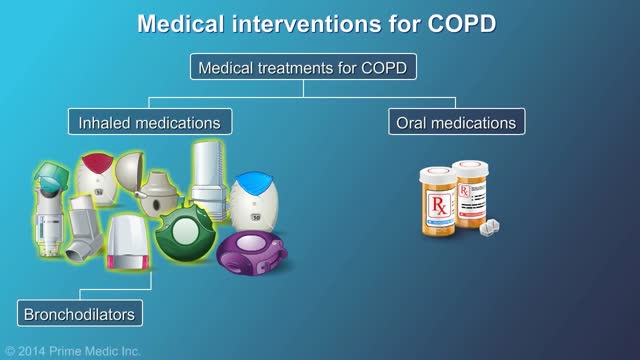
This Video COPD, or chronic obstructive pulmonary (PULL-mun-ary) disease, is a progressive disease that makes it hard to breathe. "Progressive" means the disease gets worse over time. COPD can cause coughing that produces large amounts of mucus (a slimy substance), wheezing, shortness of breath, chest tightness, and other symptoms. Cigarette smoking is the leading cause of COPD. Most people who have COPD smoke or used to smoke. Long-term exposure to other lung irritants—such as air pollution, chemical fumes, or dust—also may contribute to COPD.
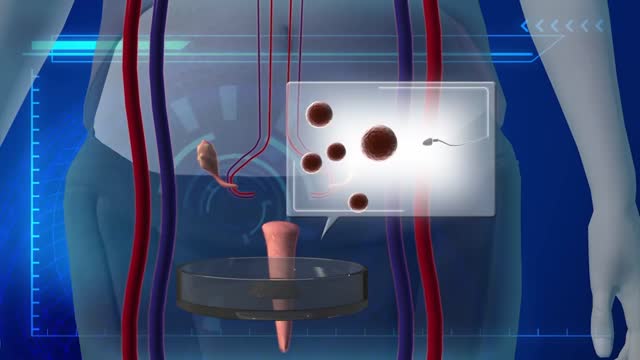
U.S. uterus transplants: experimental surgery could help infertile women get pregnant

If you and your partner are struggling to have a baby, you're not alone. Ten to 15 percent of couples in the United States are infertile. Infertility is defined as not being able to get pregnant despite having frequent, unprotected sex for at least a year for most couples. Infertility may result from an issue with either you or your partner, or a combination of factors that interfere with pregnancy. Fortunately, there are many safe and effective therapies that significantly improve your chances of getting pregnant
