
- Physical Examination
- Surgical Examination
- Ophthalmology
- Clinical Skills
- Orthopedics
- Surgery Videos
- Laparoscopy
- Pediatrics
- Funny Videos
- Cardiothoracic Surgery
- Nursing Videos
- Plastic Surgery
- Otorhinolaryngology
- Histology and Histopathology
- Neurosurgery
- Dermatology
- Pediatric Surgery
- Urology
- Dentistry
- Oncology and Cancers
- Anatomy Videos
- Health and Fitness
- Radiology
- Anaesthesia
- Physical Therapy
- Pharmacology
- Interventional Radiology
- Cardiology
- Endocrinology
- Gynecology
- Emergency Medicine
- Psychiatry and Psychology
- Childbirth Videos
- General Medical Videos
- Nephrology
- Physiology
- Diet and Food Health
- Diabetes Mellitus
- Neurology
- Women Health
- Osteoporosis
- Gastroenterology
- Pulmonology
- Hematology
- Rheumatology
- Toxicology
- Nuclear Medicine
- Infectious Diseases
- Vascular Disease
- Reproductive Health
- Burns and Wound Healing
- Other
Top videos


Endoscopic Management of Brain Cyst, ForaminoPlasty
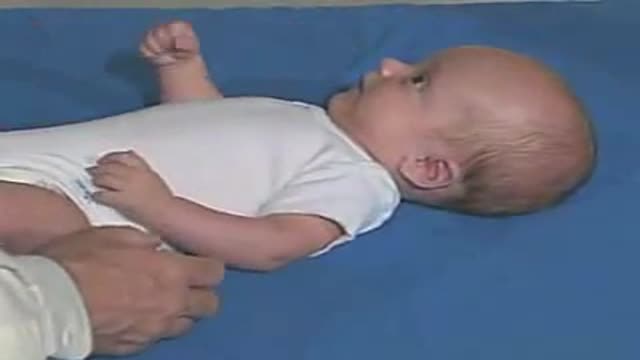
Pediatric Neurological Examination
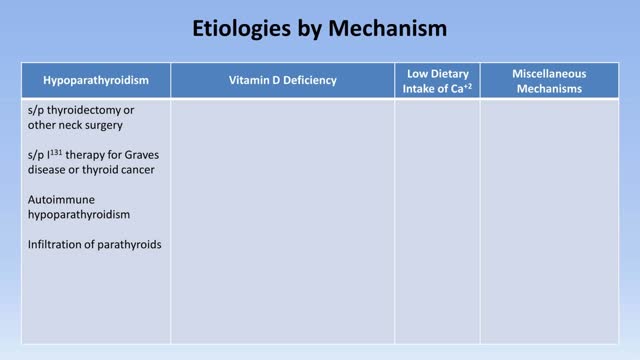
In neonates, hypocalcemia is more likely to occur in infants born of diabetic or preeclamptic mothers. Hypocalcemia also may occur in infants born to mothers with hyperparathyroidism. Clinically evident hypocalcemia generally presents in milder forms and is usually the result of a chronic disease state. In emergency department patients, chronic or subacute complaints secondary to mild or moderate hypocalcemia are more likely to be a chief complaint than severe symptomatic hypocalcemia. Once laboratory results demonstrate hypocalcemia, the first question is whether the hypocalcemia is true—that is, whether it is representative of a decrease in ionized calcium. The presence of chronic diarrhea or intestinal disease (eg, Crohn disease, sprue, chronic pancreatitis) suggests the possibility of hypocalcemia due to malabsorption of calcium and/or vitamin D. The patient's past medical history should be explored for pancreatitis, anxiety disorders, renal or liver failure, gastrointestinal disorders, and hyperthyroidism or hyperparathyroidism. Previous neck surgery suggests hypoparathyroidism; a history of seizures suggests hypocalcemia secondary to anticonvulsants. The patient may have a recent history of thyroid, parathyroid, or bowel surgeries or recent neck trauma. The length of time that a disorder is present is an important clue. Hypoparathyroidism and pseudohypoparathyroidism are lifelong disorders. Instead, acute transient hypocalcemia may be associated with acute gastrointestinal illness, nutritional deficiency, or acute or chronic renal failure. In an elderly patient, a nutritional deficiency may be associated with a low intake of vitamin D. A history of alcoholism can help diagnose hypocalcemia due to magnesium deficiency, malabsorption, or chronic pancreatitis. Inquire about recent use of drugs associated with hypocalcemia, including the following: Radiocontrast Estrogen Loop diuretics Bisphosphonates Calcium supplements Antibiotics Antiepileptic drugs Cinacalcet Other considerations in the history include the following: Family history of hypocalcemia Low-calcium diet Lack of sun exposure

http://123-paleo.info-pro.co Gesunde Ernährung, Ernährung Umstellen, Marcumar Ernährung, Paleo Lebensmittel, Paleo Rezept. Wahrscheinlich wirst du dich als Paleo-Anhänger schon einmal gefragt haben, warum die Steinzeiternährung Getreide meidet wie die Pest. Gut, die Begründung, dass Menschen vor Tausenden von Jahren ebenfalls kein Getreide hatten, ist ja schön. Aber das kann ja nicht alles sein. Ist es auch nicht. Wie immer liegt der Teufel im Detail. Hauptverantwortlich für die große „Angst“ vor Getreideprodukten sind vor allem Gluten, sogenannte Anti-Nährstoffe. Bereits dieser Name ist angsteinflößend. Und das durchaus zu Recht. Denn Gluten besitzen nur wenige positive, dafür jedoch umso mehr negative Eigenschaften, die sich längerfristig schlecht auf deine Gesundheit auswirken können. Was ist Gluten und welche Lebensmittel enthalten Gluten? Gluten ist ein Eiweiß mit besonders starken Klebeeigenschaften. Dies ist auch der Grund, weswegen beispielsweise Brotteig so gut zusammenklebt. Gluten findet sich hauptsächlich in Getreide, beispielsweise ein Roggen oder Gerste, Dinkel oder Weizen und Hafer. Hieraus ergibt sich zwangsläufig, dass auch viele Lebensmittel des täglichen Lebens jede Menge Gluten enthalten. Hierzu gehören nicht nur Schokolade oder Bier, Reis oder Nudeln, sondern auch Pommes oder Milcherzeugnisse. Auch in den meisten Fertiggerichten ist Gluten vorzufinden.
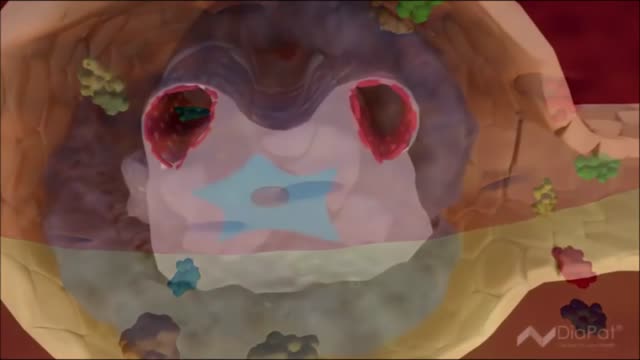
Depending on the underlying cause, some types of kidney disease can be treated. Often, though, chronic kidney disease has no cure. Treatment usually consists of measures to help control signs and symptoms, reduce complications, and slow progression of the disease. If your kidneys become severely damaged, you may need treatment for end-stage kidney disease. Treating the cause Your doctor will work to slow or control the cause of your kidney disease. Treatment options vary, depending on the cause. But kidney damage can continue to worsen even when an underlying condition, such as high blood pressure, has been controlled. Treating complications Kidney disease complications can be controlled to make you more comfortable. Treatments may include: High blood pressure medications. People with kidney disease may experience worsening high blood pressure. Your doctor may recommend medications to lower your blood pressure — commonly angiotensin-converting enzyme (ACE) inhibitors or angiotensin II receptor blockers — and to preserve kidney function. High blood pressure medications can initially decrease kidney function and change electrolyte levels, so you may need frequent blood tests to monitor your condition. Your doctor will likely also recommend a water pill (diuretic) and a low-salt diet. Medications to lower cholesterol levels. Your doctor may recommend medications called statins to lower your cholesterol. People with chronic kidney disease often experience high levels of bad cholesterol, which can increase the risk of heart disease.
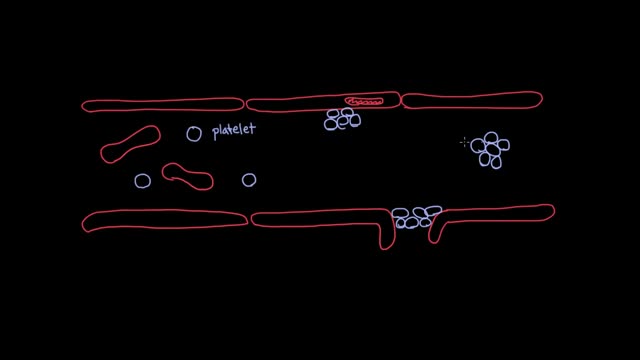
How do we make blood clots?

Keratosis Pilaris Treatment, What Causes Keratosis Pilaris, Cream For Keratosis Pilaris, Kp Cause---- http://banishmybumps.plus101.com/ --- Keratosis Pilaris Treatment, What Causes Keratosis Pilaris, Cream For Keratosis Pilaris, Kp Cause. Natural Treatments for Keratosis Pilaris. Keratosis Pilaris or KP is a very common skin condition, but has a quite unknown cause, and this affects more than fifty percent of adults all over the world. Most people who have this illness do not even know about it. KP causes a small red bump that normally appears on the legs, upper arms and buttocks. This skin condition can form also on your face, where it closely resembles acne. Though these red bumps are harmless, these can affect the person’s self-esteem and could lessen a person’s lifestyle quality. In order to avoid these circumstances, here are some of the natural treatments for Keratosis pilaris. If you are searching for KP treatment, bear in mind that this skin condition doesn’t need to be cured using conventional medication that may worsen the problem. Begin with the basics like proper skin care and proper diet, and this will essentially enhance your condition. In your diet, include foods rich in vitamin E and essential fatty acids like omega-3, 6 and 9 as well as GLA as these aids in regulating the abnormal production of your skin outer layers. In short, they aid stimulate a healthy process of skin exfoliation that in turn helps your skin get rid of the body toxins. Regular cleansing washes away the dead skin cells from your body. In some circumstances, you may need to help the process of exfoliation by using exfoliating cleansers or soaps or even body loofah. This skin condition usually indicates imbalance immune system and lack of moisture. You want to bring back the moisture of your skin and this can be done by increasing your water intake and using skin moisturizer. Additionally, you need to re-establish balance by means of detoxifications and proper nutrition in order to remove the toxins which affect your immune health. Urea cream is also used to treat Keratosis pilaris. But before considering this treatment, you have to know that nitrogen, a waste product of human protein metabolism, is the main ingredient of urea. Urea is transmitted into the urine and is impassive from your body. It is utilized in creams medically, supposedly to bring back moisture. There are natural substitutes for moisturizing your skin such as borage oil, Vitamin E oil, and many more, so there is really no need to use a waste product to perform the job. Some of the prescribed creams which contain urea might include other harmful components that can worsen your situation. So, instead of using urea, try to use natural skin care home remedies such as rose hip oil, Vitamin E bath oil, exfoliating soap made of Burt’s. You can try detoxification and cleansing program in order to get rid of all the toxins inside your system. Try to avoid allergens that may aggravate your skin condition such as dust mites, harsh detergents, toothpaste with fluoride and etc. It is good to know that keratosis pilaris is harmless enough and can be treated easily. With proper diet and modifying your lifestyle, you can fight this condition easily. Choose the natural cure for keratosis pilaris to prevent more toxins to get into the body that can worsen the skin condition. Proper diet and healthy lifestyle is your way of having a healthy and flawless skin. Research has shown that all-natural keratosis pilaris treatment systems, such as Banish My Bumps, are a successful way to seek relief. You can learn more at http://banishmybumps.plus101.com/

Daca esti solist de muzica etno, populara sau usoara si ai un videoclip pe care vrei sa-l difuzezi pe Televiziunea Favorit, suna la 0722.410.597 Eugen Ungureanu. Pentru alte detalii urmareste emisiunea Ora Veseliei in fiecare vineri de la ora 18.00, sau viziteaza pagina de internet http://www.tvbucuresti.com
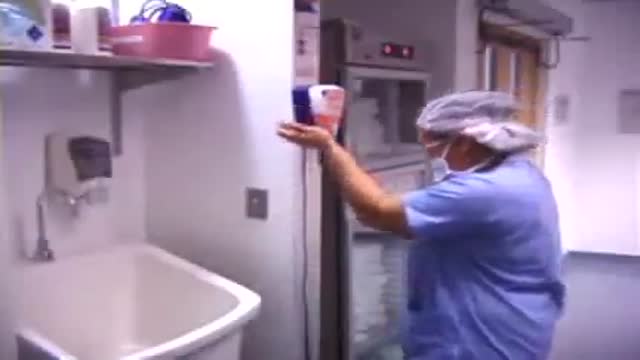
Surgical Cap How To
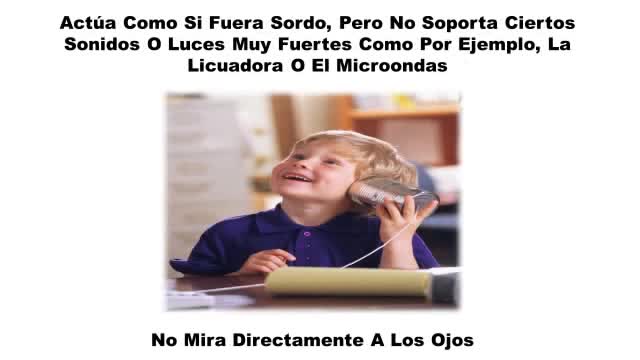
http://tratamiento-autismo.plus101.com
---Sintomas Del Autismo Cura Autismo. Más de la mitad de los niños del país que padecen autismo tienen sobrepeso, lo que los pone además en riesgo de sufrir diabetes, enfermedades cardiovasculares y problemas en los huesos y articulaciones. Esta estadística alarmante motivó a la experta en fitness Suzanne M. Gray a desarrollar una rutina de ejercicios que los padres pueden hacer con los pequeños con autismo. Gray ha pasado alrededor de 30 años desarrollando diferentes programas de acondicionamiento físico para niños con necesidades especiales y nos ofrece algunos valiosos consejos.
http://www.youtube.com/watch?v=RprDE2jxLeE
Sintomas Del Autismo Cura Autismo
http://www.youtube.com/user/ParaNinosAutistas
http://www.youtube.com/user/TerapiaParaAutismo
http://www.youtube.com/user/NinosConAutismo
http://www.youtube.com/user/AyudarUnNinoAutista
Sintomas Del Autismo Cura Autismo
Sintomas Del Autismo Autismo Cura
Sintomas Del Cura Autismo Autismo
Sintomas Del Cura Autismo Autismo
Sintomas Del Autismo Autismo Cura
Sintomas Del Autismo Cura Autismo
metodo aba autismo,
metodo aba para autistas,
metodo pecs autismo,
metodo teacch autismo,
metodo teacch para niños autistas,
mi hermano tiene autismo,
mi hijo autista,
mi hijo es autista,
mi hijo tiene autismo,
mms autismo,
musica para niños autistas,
musicoterapia autismo,
musicoterapia en el tratamiento del autismo,
musicoterapia y autismo,
nino autista,
nino con autismo,
ninos autista,
ninos autistas,
ninos con autismo,
ninos con hiperactividad,
niveles de autismo infantil

Chemokuren geven neuropathische pijnen. Behandeling met het supplement palmitoylethanolamide en topicale analgetische creme geven het volgende resultaat

The procedure is very simple, safe & relatively pain free. The technique takes 5 to 8 hours depending on grafts quantity. Most of the transplanted hair goes through a healing phase of couple of months after that these transplanted hair starts growing same like non-transplanted hair. The best benefit of the procedure is that they have different genetic make-up than the lost hair and are genetically permanent. Patient can cut, dye and colour these hair and grow continuously like non-transplanted hair.
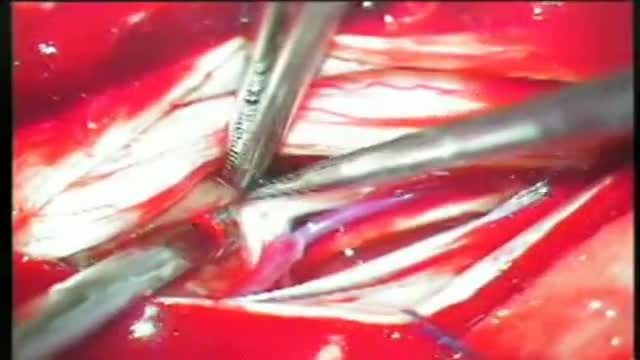
Schwannomas are usually located in the angle between the cerebellum and the pons, in the back of the skull (the posterior fossa). Description Schwannomas are usually very slow-growing. Symptoms Common symptoms of Schwannoma are one-sided hearing loss and buzzing or ringing in the ear. Dizziness may also occur, although it is less common. If the tumor affects the facial nerve (the 7th cranial nerve, which is located next to the 8th cranial nerve), facial paralysis may occur. Other symptoms include difficulty in swallowing, impaired eye movement, taste disturbances, and unsteadiness. Incidence Schwannomas account for about 8% of all primary brain tumors. They typically occur in middle-aged adults, and females are twice as likely as males to have this tumor. Cause Like many tumor types, the exact cause of Schwannoma is not known. However, it is believed to occur when there is a defect in a gene that normally prevents tumors from forming. Treatment Total removal using microsurgical techniques is often possible. Stereotactic radiosurgery may be used as an alternative to surgery in some patients.
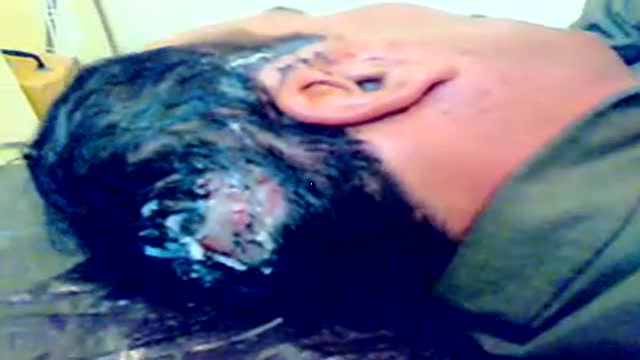
simple surgery can make basilar migraine patients free of his migraine headache and all accompanied symptoms.
www.alisultaneh.8m.com
www.migrainesurgery.4t.com
AL EMADI HOSPITAL-QATAR-DOHA AMERICAN BOARD CERTIFICATE AESTHETIC MEDICINE 0097455742973 drkhsh2001@yahoo.com http://www.kamalsaleh.sptechs.com
The goal of McKesson's Better Health 2020™ campaign is to look toward the future that positions you to use healthcare IT in a more strategic way to improve business practice, overall care, and connectivity.iew this video to see what current McKesson customers have to say about the future of healthcare and healthcare information technology, including their hopes, fears, expectations and excitement about the future.
Bronchiolitis is a common lung infection in young children and infants. It causes inflammation and congestion in the small airways (bronchioles) of the lung. Bronchiolitis is almost always caused by a virus. Typically, the peak time for bronchiolitis is during the winter months. Bronchiolitis starts out with symptoms similar to those of a common cold but then progresses to coughing, wheezing and sometimes difficulty breathing. Symptoms of bronchiolitis can last for several days to weeks, even a month.

Watch that 200 lb Tumor in Man's Body Removal Surgery
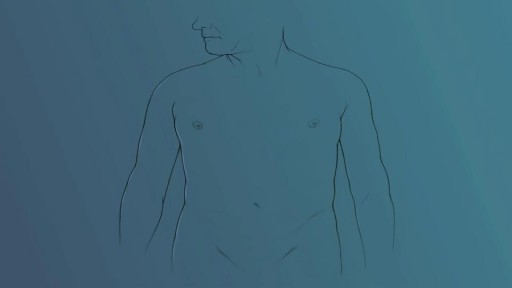
The type of operation performed for removal of pancreatic cancer is based on the location of the tumor. For tumors of the head and neck of the pancreas a Whipple procedure, (also called a pancreaticoduodenectomy) is performed. This is a complex operation perfected at Johns Hopkins. This video will explain the surgery and what patients can expect.
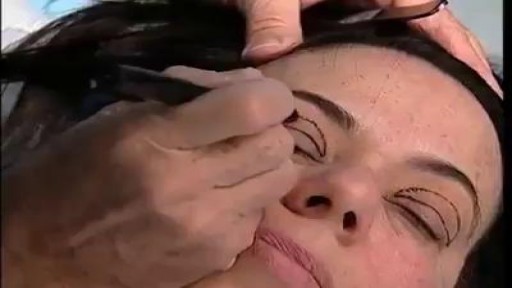
Plastic Eyelid Beauty surgery
