
- Physical Examination
- Surgical Examination
- Ophthalmology
- Clinical Skills
- Orthopedics
- Surgery Videos
- Laparoscopy
- Pediatrics
- Funny Videos
- Cardiothoracic Surgery
- Nursing Videos
- Plastic Surgery
- Otorhinolaryngology
- Histology and Histopathology
- Neurosurgery
- Dermatology
- Pediatric Surgery
- Urology
- Dentistry
- Oncology and Cancers
- Anatomy Videos
- Health and Fitness
- Radiology
- Anaesthesia
- Physical Therapy
- Pharmacology
- Interventional Radiology
- Cardiology
- Endocrinology
- Gynecology
- Emergency Medicine
- Psychiatry and Psychology
- Childbirth Videos
- General Medical Videos
- Nephrology
- Physiology
- Diet and Food Health
- Diabetes Mellitus
- Neurology
- Women Health
- Osteoporosis
- Gastroenterology
- Pulmonology
- Hematology
- Rheumatology
- Toxicology
- Nuclear Medicine
- Infectious Diseases
- Vascular Disease
- Reproductive Health
- Burns and Wound Healing
- Kidney Zone Podcast
- Other
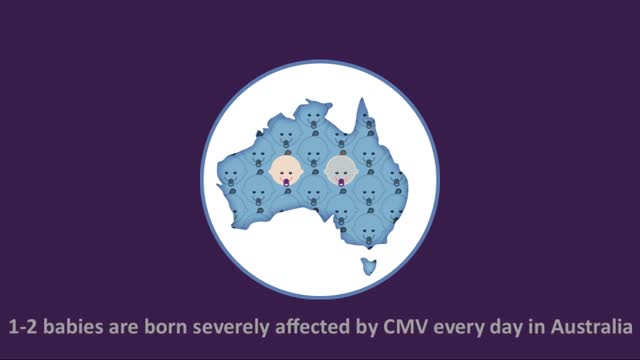


Cytomegalovirus (CMV)

Educational only: videos on MedicalVideos.com are for general information and are not medical advice. Always consult your own doctor about your health.
CMV is a common virus in the same family as herpesvirus, and it can infect anyone. CMV is spread by direct contact of body fluids, such as saliva, blood, urine, semen, vaginal fluids, and breast milk. Thus breastfeeding, blood transfusions, organ transplants, and sexual contact are possible modes of transmission. Most healthy people do not experience any symptoms when infected with CMV, and it does not pose a serious health concern. A majority of adults have antibodies consistent with past infection. Most healthy children and adults who do have symptoms will recover from CMV infection without complications and do not require antiviral treatment. However, in those with a weakened immune system, CMV can cause serious disease (retinitis, hepatitis, colitis, pneumonia, or encephalitis).
This video in 30 seconds
This video covers cytomegalovirus (CMV), a common virus in the same family as herpesvirus. It explains how CMV spreads, why most healthy people have no symptoms, and the serious disease it can cause in people with a weakened immune system.
Key points
- CMV is described as a common virus in the herpesvirus family that can infect anyone
- Spread by direct contact with body fluids such as saliva, blood, urine, semen, vaginal fluids, and breast milk is covered
- Transmission routes mentioned include breastfeeding, blood transfusions, organ transplants, and sexual contact
- Most healthy people are described as having no symptoms, while weakened immune systems can lead to serious disease such as retinitis, hepatitis, colitis, pneumonia, or encephalitis
Video Overview
This video presents “Cytomegalovirus (CMV)” — CMV is a common virus in the same family as herpesvirus, and it can infect anyone. CMV is spread by direct contact of body fluids, such as saliva, blood, urine, semen, vaginal fluids, and breast milk. Thus breastfeeding, blood. Whether you are preparing for a procedure, studying the technique, or learning how a condition is assessed, the recording shows the process as it is performed in practice.
From our Infectious Diseases collection: Infectious disease videos: viruses, bacteria, antibiotics and outbreak science explained by specialists. Browse all Infectious Diseases videos →
Educational content only — not a substitute for professional medical advice.
SORT BY-
Top Comments
-
Latest comments