
- Procedures & Tests
- Symptoms A-Z
- Symptom Checker
- Kidney Diet
- First Aid
- Anatomy Atlas
- Ask MedicalVideos
- Drug Guide
- Lab Values
- Vital Signs
- Muscles A–Z
- Clinical Signs
- Medical Abbreviations
- Medical Terminology
- Physical Examination
- Surgical Examination
- Ophthalmology
- Clinical Skills
- Orthopedics
- Surgery Videos
- Laparoscopy
- Pediatrics
- Funny Videos
- Cardiothoracic Surgery
- Nursing Videos
- Plastic Surgery
- Otorhinolaryngology
- Histology and Histopathology
- Neurosurgery
- Dermatology
- Pediatric Surgery
- Urology
- Dentistry
- Oncology and Cancers
- Anatomy Videos
- Health and Fitness
- Radiology
- Anaesthesia
- Physical Therapy
- Pharmacology
- Interventional Radiology
- Cardiology
- Endocrinology
- Gynecology
- Emergency Medicine
- Psychiatry and Psychology
- Childbirth Videos
- General Medical Videos
- Nephrology
- Physiology
- Diet and Food Health
- Diabetes Mellitus
- Neurology
- Women Health
- Osteoporosis
- Gastroenterology
- Pulmonology
- Hematology
- Rheumatology
- Toxicology
- Nuclear Medicine
- Infectious Diseases
- Vascular Disease
- Reproductive Health
- Burns and Wound Healing
- Kidney Zone Podcast
- Other






Cytomegalovirus in solid organ transplant recipients

Educational only: videos on MedicalVideos.com are for general information and are not medical advice. Always consult your own doctor about your health.
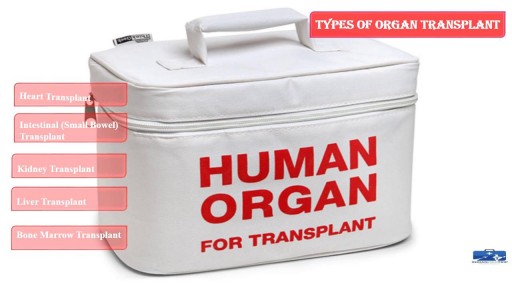
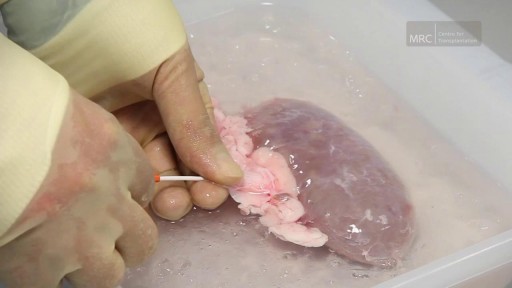
Cytomegalovirus (CMV) continues to have a tremendous impact in solid organ transplantation despite remarkable advances in its diagnosis, prevention and treatment. It can affect allograft function and increase patient morbidity and mortality through a number of direct and indirect effects. Patients may develop asymptomatic viremia, CMV syndrome or tissue-invasive disease. Late-onset CMV disease continues to be a major problem in high-risk patients after completion of antiviral prophylaxis. Emerging data suggests that immunologic monitoring may be useful in predicting the risk of late onset CMV disease. There is now increasing interest in the development of an effective vaccine for prevention. Novel antiviral drugs with unique mechanisms of action and lesser toxicity are being developed. Viral load quantification is now undergoing standardization, and this will permit the generation of clinically relevant viral thresholds for the management of patients. This article provides a brief overview of the contemporary epidemiology, clinical presentation, diagnosis, prevention and treatment of CMV infection in solid organ transplant recipients.
This video in 30 seconds
This video provides an overview of cytomegalovirus in solid organ transplant recipients. It covers CMV's impact on allograft function, morbidity and mortality, forms ranging from asymptomatic viremia to tissue-invasive disease, late-onset disease after prophylaxis, and contemporary epidemiology, diagnosis, prevention and treatment as described.
Key points
- CMV can affect allograft function and increase morbidity and mortality through direct and indirect effects
- Patients may develop asymptomatic viremia, CMV syndrome or tissue-invasive disease
- Late-onset CMV disease remains a major problem in high-risk patients after antiviral prophylaxis ends as described
- Immunologic monitoring, vaccine development, novel antiviral drugs and viral load standardisation are discussed
Medical Videos
Free medical and surgery videos for patients, students and professionals — trusted since 2007.
Founded by Dr. Mohamed Ibrahim, MD, PhD — physician-scientist.
Follow us on Facebook · Instagram
SORT BY-
Top Comments
-
Latest comments