
- Procedures & Tests
- Symptoms A-Z
- Symptom Checker
- Kidney Diet
- First Aid
- Anatomy Atlas
- Ask MedicalVideos
- Drug Guide
- Lab Values
- Vital Signs
- Muscles A–Z
- Clinical Signs
- Medical Abbreviations
- Medical Terminology
- Physical Examination
- Surgical Examination
- Ophthalmology
- Clinical Skills
- Orthopedics
- Surgery Videos
- Laparoscopy
- Pediatrics
- Funny Videos
- Cardiothoracic Surgery
- Nursing Videos
- Plastic Surgery
- Otorhinolaryngology
- Histology and Histopathology
- Neurosurgery
- Dermatology
- Pediatric Surgery
- Urology
- Dentistry
- Oncology and Cancers
- Anatomy Videos
- Health and Fitness
- Radiology
- Anaesthesia
- Physical Therapy
- Pharmacology
- Interventional Radiology
- Cardiology
- Endocrinology
- Gynecology
- Emergency Medicine
- Psychiatry and Psychology
- Childbirth Videos
- General Medical Videos
- Nephrology
- Physiology
- Diet and Food Health
- Diabetes Mellitus
- Neurology
- Women Health
- Osteoporosis
- Gastroenterology
- Pulmonology
- Hematology
- Rheumatology
- Toxicology
- Nuclear Medicine
- Infectious Diseases
- Vascular Disease
- Reproductive Health
- Burns and Wound Healing
- Kidney Zone Podcast
- Other




How Respiratory Pump Affects Venous Return

Educational only: videos on MedicalVideos.com are for general information and are not medical advice. Always consult your own doctor about your health.
This physiology explainer describes the respiratory pump and its effect on venous return. It explains how inspiration lowers intrathoracic and right atrial pressure while raising abdominal pressure, squeezing blood from the inferior vena cava towards the heart, and how these changes reverse during expiration. It is a study aid for cardiovascular physiology.
Video Transcript
This physiology explainer describes the respiratory pump and its effect on venous return. It explains that venous return depends on the pressure gradient between the veins and the right atrium and on venous resistance, and that during inspiration the descending diaphragm lowers intrathoracic and right atrial pressure while raising abdominal pressure, squeezing blood from the inferior vena cava towards the heart; during expiration these changes reverse. It also notes the opposing effect of inspiration on left-ventricular stroke volume via the pulmonary circulation.
Read the full transcript
Venus' return is the flow of blood from the periphery back to the heart's right atrium. Blood from the upper body returns via the superior vena cava. Blood from the lower body returns via the inferior vena cava. The rate of Venus' return is determined by two factors. The pressure gradient between Venus' pressure and right atrial pressure and Venus' resistance. A decrease in right atrial pressure leads to an increase in Venus' return and vice versa. Breeding is one of the mechanisms that facilitate Venus' return. This is known as thoracic pump or respiratory pump.
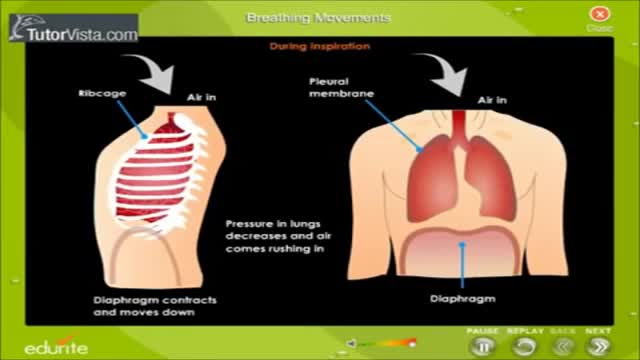
During inspiration, the diaphragm moves down, expanding the thoracic cavity, resulting in a decreased intratheracic pressure and a subsequent expansion of the lungs. Part of this change in pressure is transmitted across the walls of the heart, lowering right atrial pressure and thus facilitating Venus' return. Another aspect of the diaphragmatic descent is the concomitant increase in abdominal pressure. As the inferior vena cava passes through both abdominal and thoracic cavities, an increase in abdominal pressure, together with a decrease in thoracic pressure, squeeze the blood upward toward the heart. On the other hand, left ventricular stroke volume is decreased during inspiration.
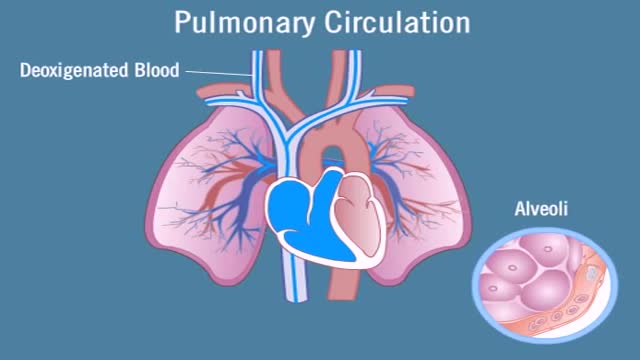
This is because the expansion of the lungs causes pulmonary blood volume to increase and the blood flow from the lungs to the left atrium to decrease. During expiration, the diaphragm moves up, the pressure in the thoracic cavity reverses, Venus' return decreases, pulmonary blood vessels shrink, pumping more blood through the pulmonary veins into the left atrium. Stroke volume increases as a result. Thank you for watching. Please feel free to suggest a topic you want us to cover by leaving a comment below.
Transcript auto-generated from the video’s audio for accessibility and study. Educational content only — not medical advice.
Medical Videos
Free medical and surgery videos for patients, students and professionals — trusted since 2007.
Founded by Dr. Mohamed Ibrahim, MD, PhD — physician-scientist.
Follow us on Facebook · Instagram
SORT BY-
Top Comments
-
Latest comments