
- Procedures & Tests
- Symptoms A-Z
- Symptom Checker
- Kidney Diet
- First Aid
- Anatomy Atlas
- Ask MedicalVideos
- Drug Guide
- Lab Values
- Vital Signs
- Muscles A–Z
- Clinical Signs
- Medical Abbreviations
- Medical Terminology
- Physical Examination
- Surgical Examination
- Ophthalmology
- Clinical Skills
- Orthopedics
- Surgery Videos
- Laparoscopy
- Pediatrics
- Funny Videos
- Cardiothoracic Surgery
- Nursing Videos
- Plastic Surgery
- Otorhinolaryngology
- Histology and Histopathology
- Neurosurgery
- Dermatology
- Pediatric Surgery
- Urology
- Dentistry
- Oncology and Cancers
- Anatomy Videos
- Health and Fitness
- Radiology
- Anaesthesia
- Physical Therapy
- Pharmacology
- Interventional Radiology
- Cardiology
- Endocrinology
- Gynecology
- Emergency Medicine
- Psychiatry and Psychology
- Childbirth Videos
- General Medical Videos
- Nephrology
- Physiology
- Diet and Food Health
- Diabetes Mellitus
- Neurology
- Women Health
- Osteoporosis
- Gastroenterology
- Pulmonology
- Hematology
- Rheumatology
- Toxicology
- Nuclear Medicine
- Infectious Diseases
- Vascular Disease
- Reproductive Health
- Burns and Wound Healing
- Kidney Zone Podcast
- Other













How the Sex of the baby is determined in the womb?

Educational only: videos on MedicalVideos.com are for general information and are not medical advice. Always consult your own doctor about your health.
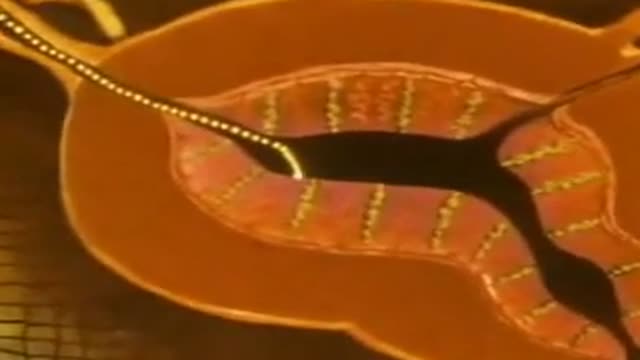
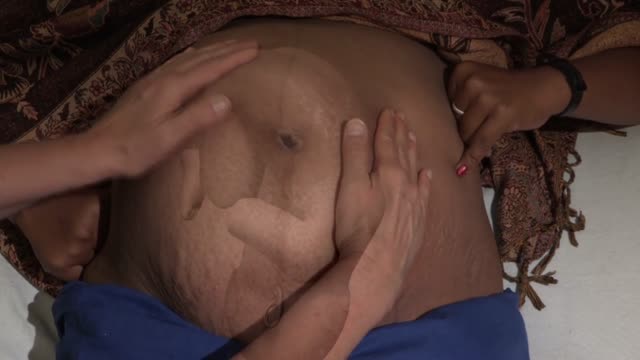
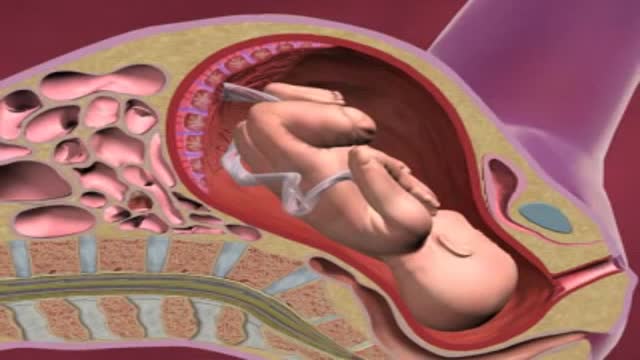
Your baby's sex is set at conception. At around 7 weeks, your baby's internal sex organs – such as ovaries and testes – begin to form in the abdomen. Male and female sex organs and genitalia look the same at this stage because they're derived from the same structures. At around 9 weeks, boys and girls begin to develop differently. In girls, a tiny bud emerges between the tissue of the legs. This bud will become the clitoris. The membrane that forms a groove below the bud separates to become the labia minora and the vaginal opening. By 22 weeks, the ovaries are completely formed and move from the abdomen to the pelvis. They already contain a lifetime supply of 6 million eggs. In boys, the bud develops into the penis and starts to elongate at around 12 weeks. The outer membrane grows into the scrotal sac that will later house the testicles. By 22 weeks, the testes have formed in the abdomen. They already contain immature sperm. Soon they'll begin their descent to the scrotum, but it's a long journey. They'll reach their destination late in pregnancy, or for some boys, after birth. If you're eager to find out whether you're having a girl or a boy, you'll have to wait until you're at least 17 weeks pregnant. That's when the genitals have developed enough to be seen on an ultrasound.
This video in 30 seconds
A short narrated animation explains how a baby's sex develops in the womb. It follows the timeline from sex being set at conception, through identical early structures, to differing development in girls and boys, and notes that genitals can usually be identified on ultrasound later in pregnancy.
Key points
- Sex is described as set at conception
- Early internal organs and identical external structures are described
- Female development of the bud into external structures is followed
- Male development of the bud and testes is followed
- Ultrasound identification later in pregnancy is mentioned
Chapters
- 0:01 — Sex set at conception
- 0:24 — Female development in the womb
- 0:49 — Male development in the womb
- 1:21 — Ultrasound identification of sex
Video Transcript
A short narrated animation explaining how a baby's sex develops in the womb. It follows the timeline from sex being set at conception, through the identical early structures, to the bud becoming the clitoris and labia in girls or the penis and scrotum in boys, and notes that the genitals can usually be identified on ultrasound from about 17 weeks.
Read the full transcript
Your baby's sex is set at conception. At around seven weeks your baby's internal sex organs such as ovaries and testes begin to form in the abdomen. Male and female sex organs in genitalia look the same at this stage because they're derived from the same structures. At around nine weeks boys and girls begin to develop differently. In girls a tiny bud emerges between the tissue of the legs. This bud will become the clitoris. The membrane that forms a groove below the bud separates to become the labia minora and the vaginal opening.
By 22 weeks the ovaries are completely formed and move from the abdomen to the pelvis. They already contain a lifetime supply of six million eggs. In boys the bud develops into the penis and starts to elongate around 12 weeks. The outer membrane grows into the scrotal sac that will later house the testicles.
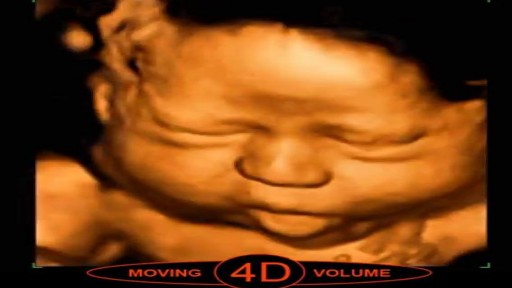
By 22 weeks the testes have formed in the abdomen. They already contain immature sperm. Soon they'll begin the descent to the scrotum, but it's a long journey. They'll reach their destination late in pregnancy or for some boys after birth. If you're eager to find out whether you're having a girl or a boy you'll have to wait until you're at least 17 weeks pregnant. That's when the genitals have developed enough to be seen on an ultrasound.
Transcript auto-generated from the video’s audio for accessibility and study. Educational content only — not medical advice.
Related reading
Medical Videos
Free medical and surgery videos for patients, students and professionals — trusted since 2007.
Founded by Dr. Mohamed Ibrahim, MD, PhD — physician-scientist.
Follow us on Facebook · Instagram
SORT BY-
Top Comments
-
Latest comments