
- Physical Examination
- Surgical Examination
- Ophthalmology
- Clinical Skills
- Orthopedics
- Surgery Videos
- Laparoscopy
- Pediatrics
- Funny Videos
- Cardiothoracic Surgery
- Nursing Videos
- Plastic Surgery
- Otorhinolaryngology
- Histology and Histopathology
- Neurosurgery
- Dermatology
- Pediatric Surgery
- Urology
- Dentistry
- Oncology and Cancers
- Anatomy Videos
- Health and Fitness
- Radiology
- Anaesthesia
- Physical Therapy
- Pharmacology
- Interventional Radiology
- Cardiology
- Endocrinology
- Gynecology
- Emergency Medicine
- Psychiatry and Psychology
- Childbirth Videos
- General Medical Videos
- Nephrology
- Physiology
- Diet and Food Health
- Diabetes Mellitus
- Neurology
- Women Health
- Osteoporosis
- Gastroenterology
- Pulmonology
- Hematology
- Rheumatology
- Toxicology
- Nuclear Medicine
- Infectious Diseases
- Vascular Disease
- Reproductive Health
- Burns and Wound Healing
- Kidney Zone Podcast
- Other












Hypoplastic Left Heart Syndrome

Educational only: videos on MedicalVideos.com are for general information and are not medical advice. Always consult your own doctor about your health.
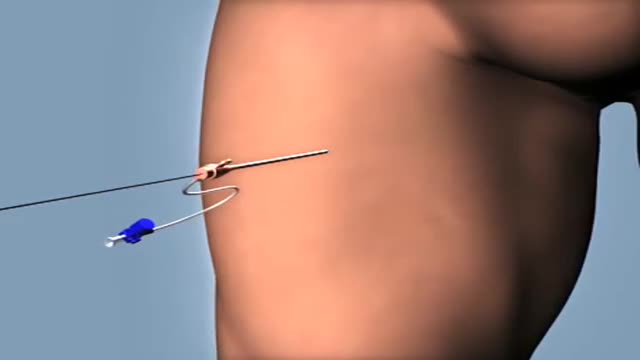
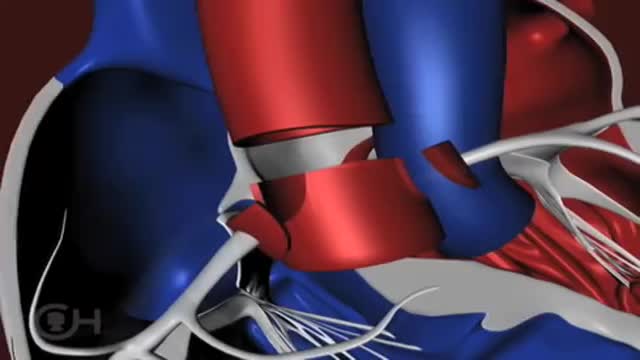
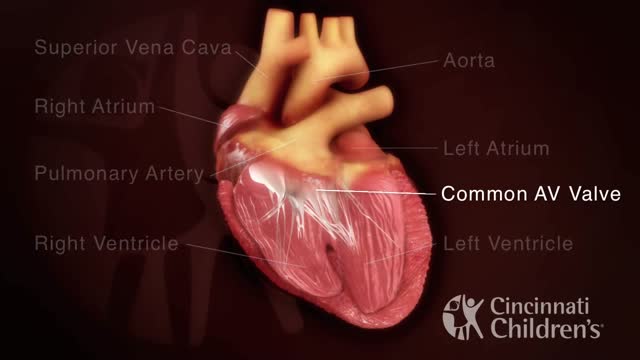
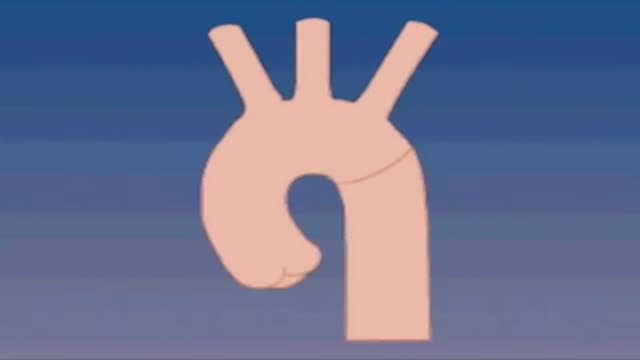
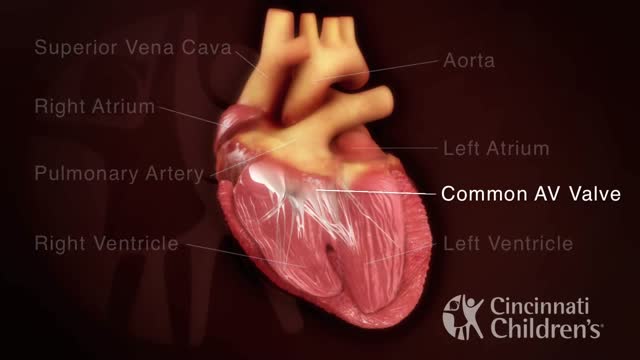
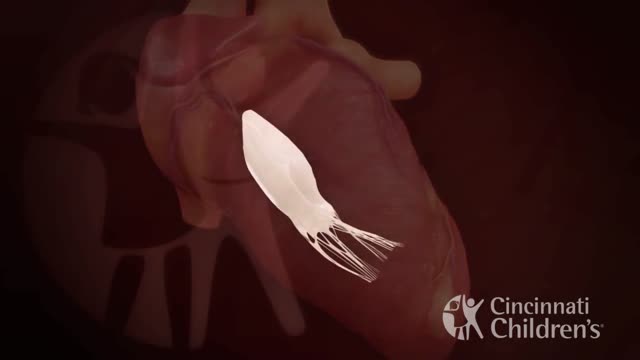
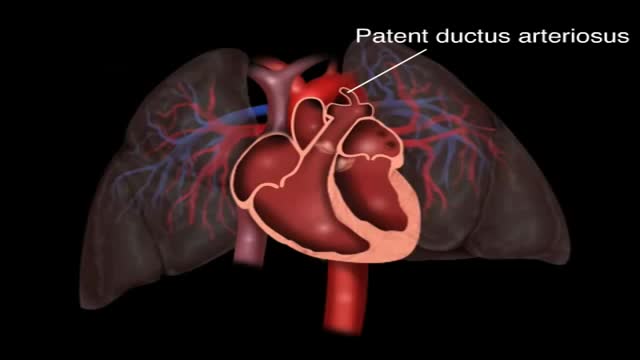
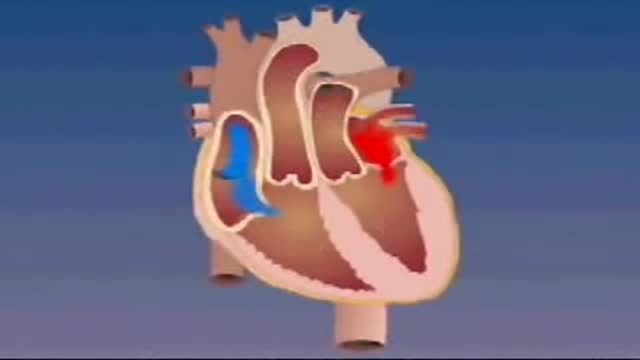
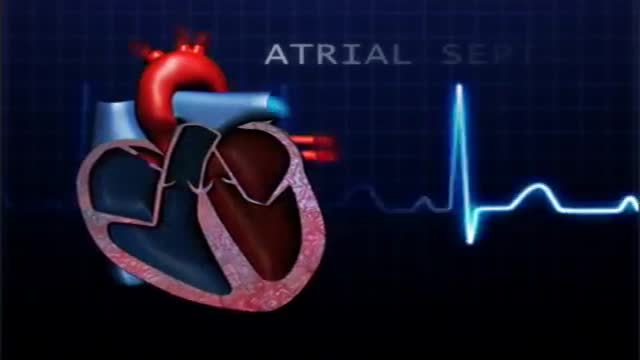
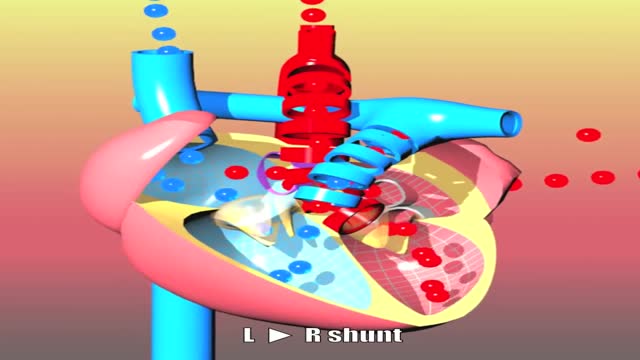
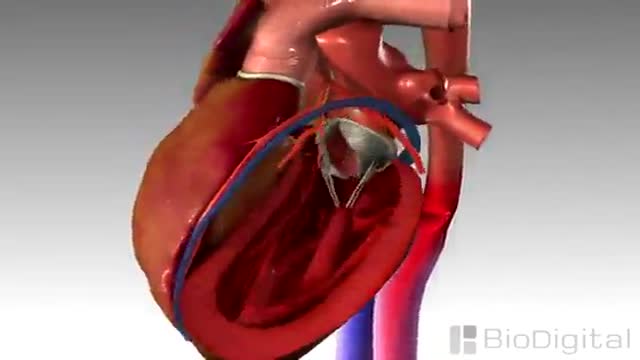
The term hypoplastic left heart syndrome (HLHS), initially proposed by Noonan and Nadas, [1] describes a spectrum of cardiac abnormalities characterized by marked hypoplasia of the left ventricle and ascending aorta. This is the same disorder characterized as hypoplasia of the aortic tract complex by Lev. [2] The aortic and mitral valves are atretic, hypoplastic, or stenotic. A patent foramen ovale or an atrial septal defect is usually present. The ventricular septum is usually intact. A large patent ductus arteriosus supplies blood to the systemic circulation. Systemic arterial desaturation may be present because of complete mixing of pulmonary and systemic venous blood in the right atrium. Coarctation of the aorta is also commonly present. See the images below.
This video in 30 seconds
This video explains hypoplastic left heart syndrome, a spectrum of congenital heart abnormalities marked by underdevelopment of the left ventricle and ascending aorta. It describes the associated valve, septal and ductus features and how blood reaches the systemic circulation in this condition.
Key points
- Hypoplastic left heart syndrome involves marked underdevelopment of the left ventricle and ascending aorta
- The aortic and mitral valves may be atretic, hypoplastic or stenotic
- A patent foramen ovale or atrial septal defect is usually present, with an usually intact ventricular septum
- A large patent ductus arteriosus supplies blood to the systemic circulation
- Mixing of pulmonary and systemic venous blood and associated aortic coarctation are described
Medical Videos
Free medical and surgery videos for patients, students and professionals — trusted since 2007.
Founded by Dr. Mohamed Ibrahim, MD, PhD — physician-scientist.
Follow us on Facebook · Instagram
SORT BY-
Top Comments
-
Latest comments