
- Physical Examination
- Surgical Examination
- Ophthalmology
- Clinical Skills
- Orthopedics
- Surgery Videos
- Laparoscopy
- Pediatrics
- Funny Videos
- Cardiothoracic Surgery
- Nursing Videos
- Plastic Surgery
- Otorhinolaryngology
- Histology and Histopathology
- Neurosurgery
- Dermatology
- Pediatric Surgery
- Urology
- Dentistry
- Oncology and Cancers
- Anatomy Videos
- Health and Fitness
- Radiology
- Anaesthesia
- Physical Therapy
- Pharmacology
- Interventional Radiology
- Cardiology
- Endocrinology
- Gynecology
- Emergency Medicine
- Psychiatry and Psychology
- Childbirth Videos
- General Medical Videos
- Nephrology
- Physiology
- Diet and Food Health
- Diabetes Mellitus
- Neurology
- Women Health
- Osteoporosis
- Gastroenterology
- Pulmonology
- Hematology
- Rheumatology
- Toxicology
- Nuclear Medicine
- Infectious Diseases
- Vascular Disease
- Reproductive Health
- Burns and Wound Healing
- Kidney Zone Podcast
- Other
Appendicitis — Symptoms, Diagnosis & Surgery Videos
Appendicitis is inflammation of the appendix, usually caused by a blockage, and it is one of the commonest surgical emergencies. This hub collects our examination and appendicectomy (appendix removal) videos with a plain-language guide to the symptoms that matter.
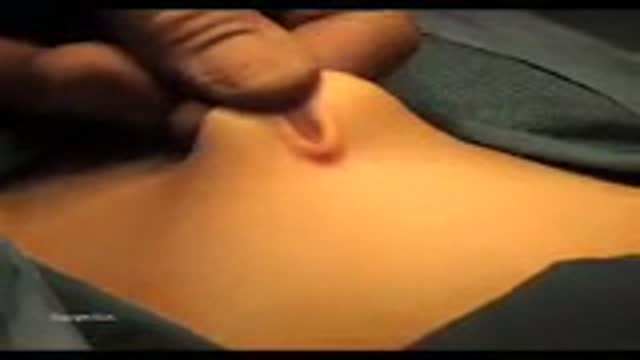
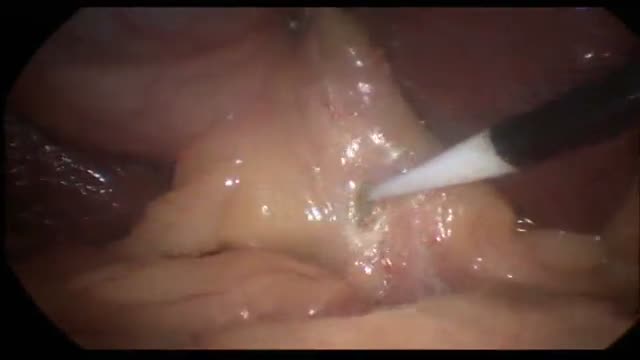
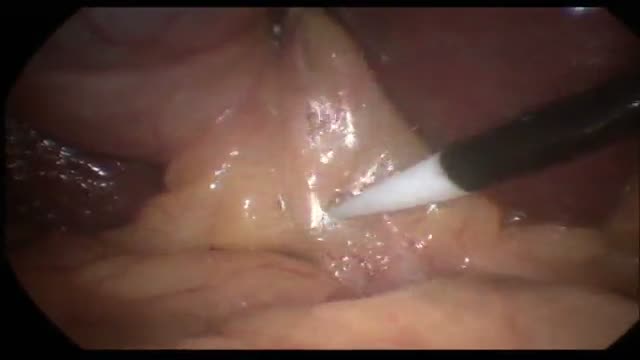
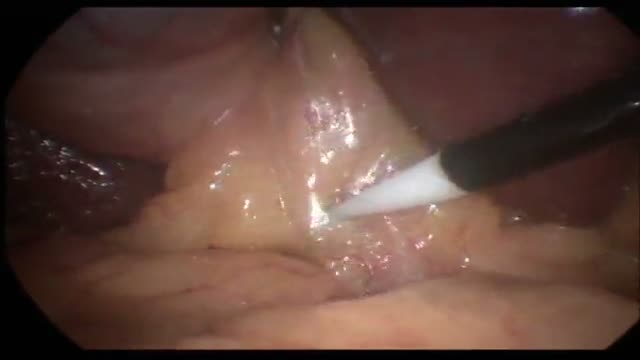
Watch: appendicitis and appendicectomy videos


Read: the plain-language guide
What Is Appendicitis? The symptoms, how it is diagnosed, and how it is treated — explained plainly. Read the article →Free health calculators
Medical Calculators — eGFR, BMI, ACR and more Free tools for kidney function, body mass index, pregnancy dates and nursing practice. Open the calculator →Frequently asked questions
Where is appendicitis pain felt?
Classically it starts as a vague ache around the navel, then moves over hours to the lower right side of the abdomen, where it becomes sharper and worse with movement, coughing or pressing and releasing the area. Not everyone follows the textbook pattern, especially children and pregnant women.
How is appendicitis diagnosed?
Doctors combine the story and examination with blood tests; imaging — ultrasound or CT — is often used to confirm it and to rule out other causes of pain. In women, pregnancy is also tested for, since some causes mimic appendicitis.
What happens if the appendix bursts?
A burst (perforated) appendix spills infection into the abdomen, causing peritonitis — severe, spreading pain and feeling very unwell. It is an emergency needing urgent surgery and antibiotics, which is why early assessment matters.
How is appendicitis treated?
The standard treatment is surgery to remove the appendix (appendicectomy), usually keyhole (laparoscopic), plus antibiotics. In selected uncomplicated cases, antibiotics alone are sometimes tried first, with surgery if things do not settle.
Related topics on MedicalVideos.com
This page is for general education only and is not medical advice. Appendicitis can worsen quickly — severe or localised abdominal pain needs same-day urgent assessment.