- Physical Examination
- Surgical Examination
- Ophthalmology
- Clinical Skills
- Orthopedics
- Surgery Videos
- Laparoscopy
- Pediatrics
- Funny Videos
- Cardiothoracic Surgery
- Nursing Videos
- Plastic Surgery
- Otorhinolaryngology
- Histology and Histopathology
- Neurosurgery
- Dermatology
- Pediatric Surgery
- Urology
- Dentistry
- Oncology and Cancers
- Anatomy Videos
- Health and Fitness
- Radiology
- Anaesthesia
- Physical Therapy
- Pharmacology
- Interventional Radiology
- Cardiology
- Endocrinology
- Gynecology
- Emergency Medicine
- Psychiatry and Psychology
- Childbirth Videos
- General Medical Videos
- Nephrology
- Physiology
- Diet and Food Health
- Diabetes Mellitus
- Neurology
- Women Health
- Osteoporosis
- Gastroenterology
- Pulmonology
- Hematology
- Rheumatology
- Toxicology
- Nuclear Medicine
- Infectious Diseases
- Vascular Disease
- Reproductive Health
- Burns and Wound Healing
- Kidney Zone Podcast
- Other
Gallbladder Removal (Cholecystectomy)
The gallbladder is a small pouch under the liver that stores bile; when gallstones cause pain or inflammation, the standard treatment is removing the whole gallbladder — a cholecystectomy, usually done laparoscopically through small openings. This page collects our most-watched removal operations, the patient guide, and answers on whether it’s major surgery, diet afterwards, and how the open operation differs.
Watch: gallbladder surgery videos
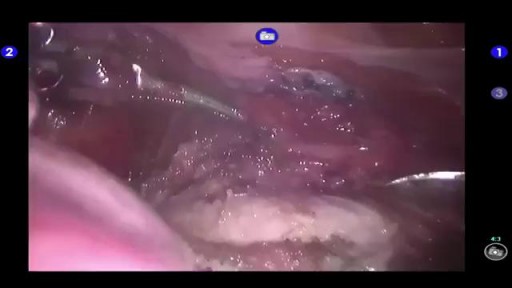
 Laparoscopic Cholecystectomy Surgery Video
59,077 views
 Transgastric Cholecystectomy
50,364 views
 Laparoscopic Cholecystectomy Surgery Video Educational
36,332 views
 Two port laparoscopic Cholecystectomy
28,642 views
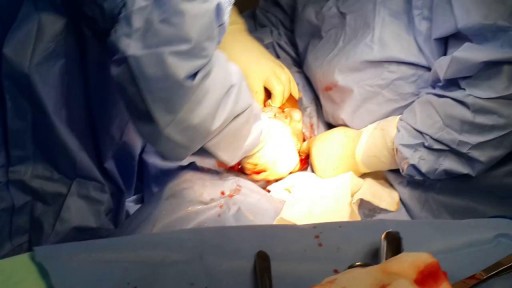
 Open Cholecystectomy
24,758 views
 Laparoscopic Cholecystectomy New Technique
22,599 views
Read: the plain-language guide
How Is a Gallbladder Removed (Cholecystectomy)? Whether removal counts as major surgery, whether you need a special diet for life, and the difference between laparoscopic and open cholecystectomy. Read the article →Frequently asked questions
Is gallbladder removal major surgery?
It is a real operation under general anaesthesia, so it deserves to be taken seriously, but the laparoscopic version through small openings is one of the most commonly performed abdominal operations. Whether it is done as a day case or with a short stay, and how involved your operation is, depends on your circumstances and how inflamed the gallbladder is.
Will I need a special diet for life?
No single lifelong diet is prescribed just because the gallbladder has gone. Many people eat normally, sometimes after a gentler reintroduction of fatty foods in the early weeks. If particular foods reliably upset your digestion afterwards, mention it at follow-up so your team can check nothing else is going on.
What is the difference between laparoscopic and open cholecystectomy?
The goal is identical — the gallbladder comes out. Laparoscopic surgery does that through a few small openings with a camera; open surgery uses one larger cut below the ribs, which may be chosen from the start for a complicated case or adopted during an operation if the surgeon needs a clearer, safer view.
Related topics on MedicalVideos.com
This page is for general education only and is not medical advice. Gallbladder symptoms or surgery decisions should be discussed with your own surgeon or doctor.