- Physical Examination
- Surgical Examination
- Ophthalmology
- Clinical Skills
- Orthopedics
- Surgery Videos
- Laparoscopy
- Pediatrics
- Funny Videos
- Cardiothoracic Surgery
- Nursing Videos
- Plastic Surgery
- Otorhinolaryngology
- Histology and Histopathology
- Neurosurgery
- Dermatology
- Pediatric Surgery
- Urology
- Dentistry
- Oncology and Cancers
- Anatomy Videos
- Health and Fitness
- Radiology
- Anaesthesia
- Physical Therapy
- Pharmacology
- Interventional Radiology
- Cardiology
- Endocrinology
- Gynecology
- Emergency Medicine
- Psychiatry and Psychology
- Childbirth Videos
- General Medical Videos
- Nephrology
- Physiology
- Diet and Food Health
- Diabetes Mellitus
- Neurology
- Women Health
- Osteoporosis
- Gastroenterology
- Pulmonology
- Hematology
- Rheumatology
- Toxicology
- Nuclear Medicine
- Infectious Diseases
- Vascular Disease
- Reproductive Health
- Burns and Wound Healing
- Kidney Zone Podcast
- Other
Hernias & Hernia Repair
A hernia is a bulge of tissue pushing through a weak spot in the muscle wall — most often in the groin (inguinal) or at the navel (umbilical). In adults they don’t heal on their own; many are repaired with an operation, with or without mesh. This page collects our most-watched hernia videos — the exam alone has over 600,000 views — the repair guide, and straight answers including the warning signs that mean same-day care.
Watch: hernia videos
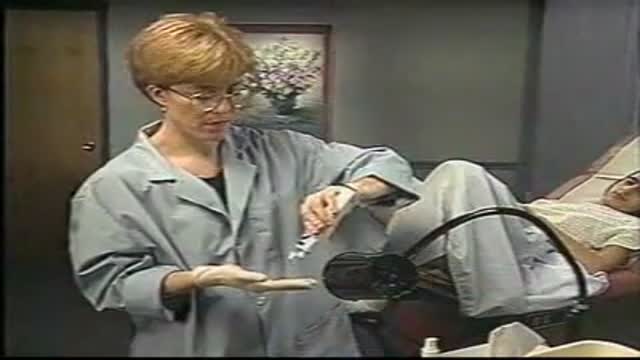
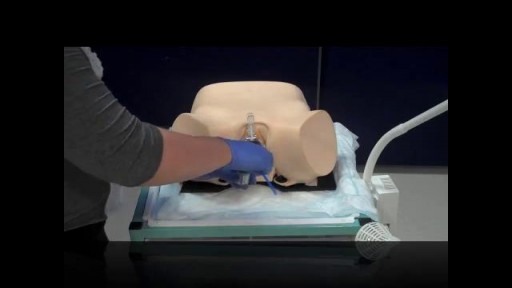
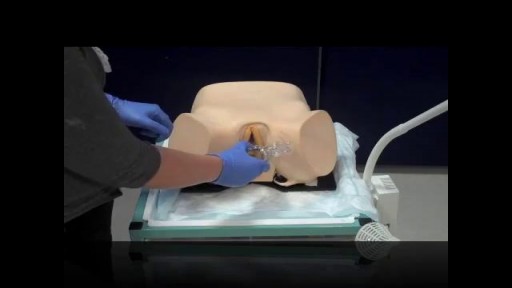
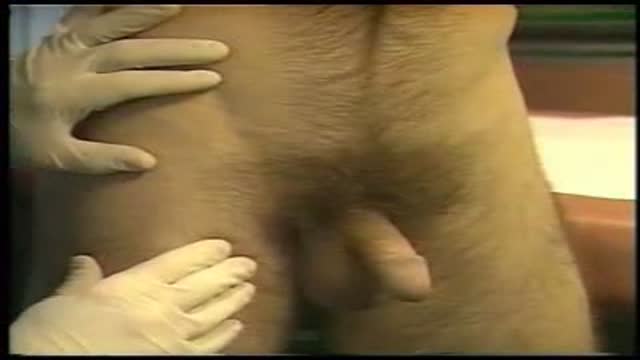 Hernia Exam
604,549 views
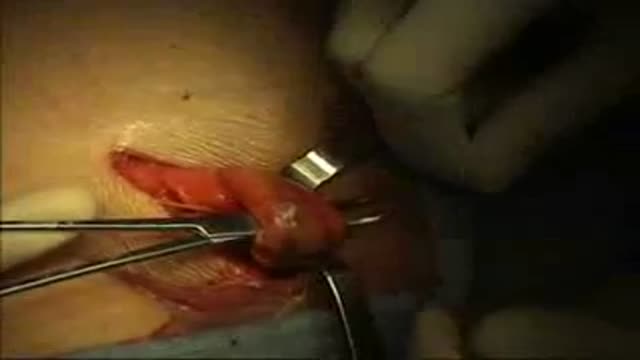 Indirect Inguinal Hernia Repair
69,765 views
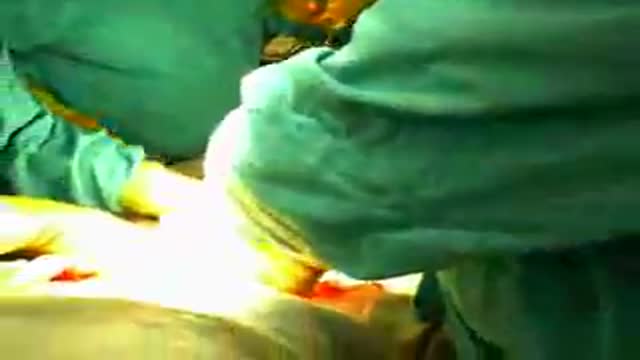
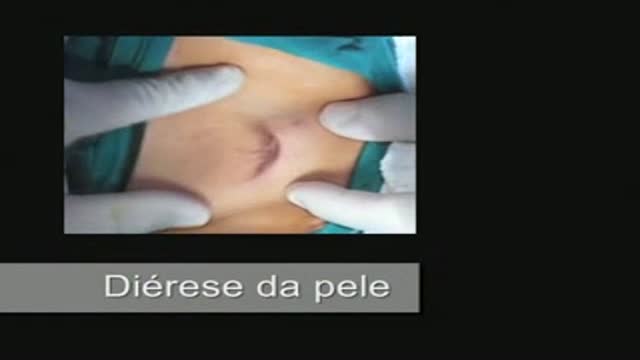 Umbilical hernia repair Surgery
49,277 views
 Direct inguinal hernia repair surgery
40,741 views
 Lichenestein mesh repair of Indirect Inguinal Hernia
33,411 views
 Inguinal hernia repair without mesh-Dr. Desarda Repair-RECOVERY
30,290 views
Read: the plain-language guide
What Is a Hernia and How Is It Repaired? Whether hernias heal on their own, what surgical mesh is and why it is used, whether a hernia can come back, and the signs that make it an emergency. Read the article →Frequently asked questions
Do hernias go away on their own?
In adults, no — the weak spot in the wall doesn’t close by itself, and hernias generally stay the same or slowly get bigger. That doesn’t mean every hernia needs an operation straight away; some symptom-free hernias are watched. It does mean "wait and it will heal" isn’t a realistic plan, so a diagnosis is worth having even if you and your doctor decide simply to monitor it.
What is the mesh used in hernia repair?
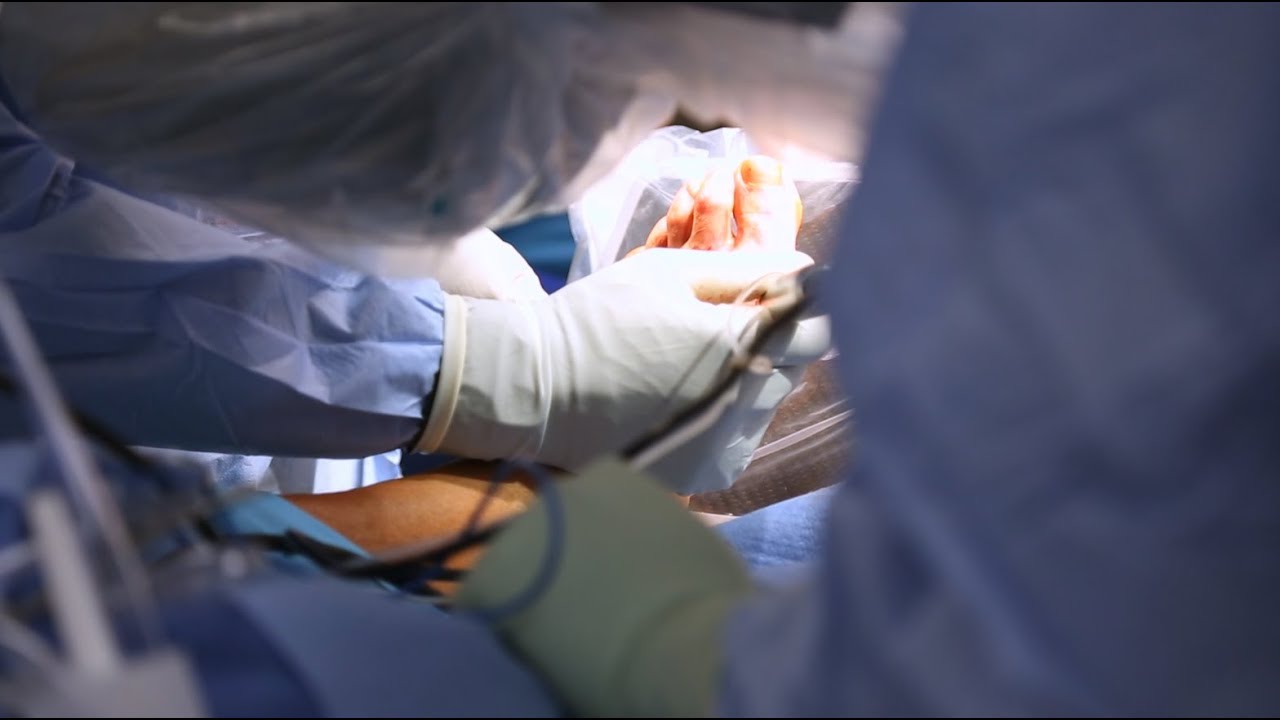
Mesh is a soft, flexible prosthetic material placed over or within the weak area to reinforce it, a bit like a patch reinforcing worn fabric. In the video on this page the repair uses a prosthetic device of this kind. Not every repair uses mesh — some are done with stitches alone — and your surgeon can explain which approach they’re recommending and why.
Can a hernia come back after repair?
It can, though repair is intended to be lasting. A recurrence means tissue has pushed through again at or near the repaired spot. Heavy strain during early healing doesn’t help, which is why your team will give you activity guidance for the first weeks — follow theirs rather than a generic timetable, because it will be based on your operation.
How do I know if a hernia is an emergency?
Warning signs are a bulge that becomes suddenly painful, tense, or discoloured, that you cannot gently push back when it normally goes back, or pain accompanied by nausea, vomiting, or being unable to pass wind or stool. Those can signal that tissue is trapped, and they warrant urgent medical assessment the same day.
Related topics on MedicalVideos.com
This page is for general education only and is not medical advice. A hernia that becomes suddenly painful, tense, discoloured or cannot be pushed back needs urgent medical assessment the same day.