
- Physical Examination
- Surgical Examination
- Ophthalmology
- Clinical Skills
- Orthopedics
- Surgery Videos
- Laparoscopy
- Pediatrics
- Funny Videos
- Cardiothoracic Surgery
- Nursing Videos
- Plastic Surgery
- Otorhinolaryngology
- Histology and Histopathology
- Neurosurgery
- Dermatology
- Pediatric Surgery
- Urology
- Dentistry
- Oncology and Cancers
- Anatomy Videos
- Health and Fitness
- Radiology
- Anaesthesia
- Physical Therapy
- Pharmacology
- Interventional Radiology
- Cardiology
- Endocrinology
- Gynecology
- Emergency Medicine
- Psychiatry and Psychology
- Childbirth Videos
- General Medical Videos
- Nephrology
- Physiology
- Diet and Food Health
- Diabetes Mellitus
- Neurology
- Women Health
- Osteoporosis
- Gastroenterology
- Pulmonology
- Hematology
- Rheumatology
- Toxicology
- Nuclear Medicine
- Infectious Diseases
- Vascular Disease
- Reproductive Health
- Burns and Wound Healing
- Other
Cardiothoracic Surgery
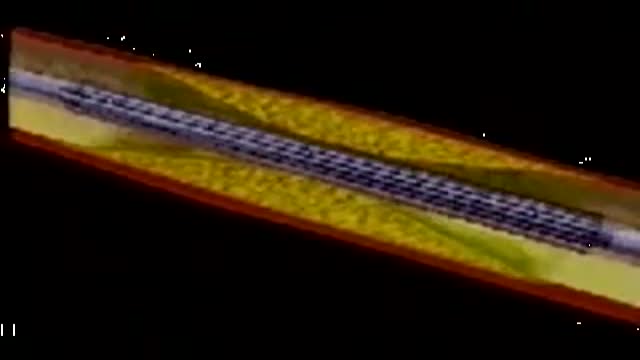

This video depicts how a stent is placed in the coronary artieries. We first place a guiding wire in the heart artery through a catheter, usually from the groin. Then the stent is inflated by a balloon in the artery, which is then removed. The stent remains permanently. Blood thinners, aspirin and plavix, are both required after a stent is placed in your heart artery.
This video gives you an overview of how a cardiac catheterization is performed.

cardiac catheterization in the work up of heart disease.
Bradyarrythmias
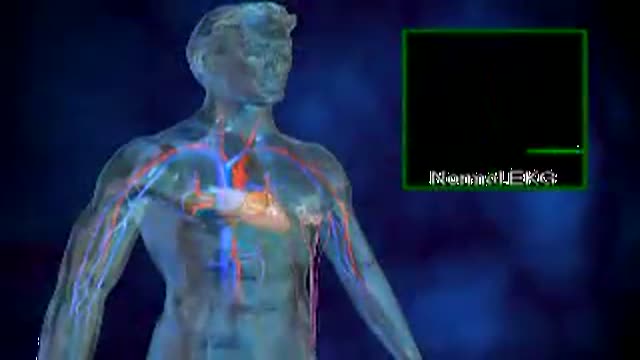
Atrial Fibrillation is the most common heart rythmn abnormatlity and is very common as you age. Atrial fibrillation is a condition in which the top chambers of the heart, the Atrium are fibrillating, rather than having a regular synchronized contraction. One of the worst complications of Atrial Fibrillation can be Stroke. There are very good treatments of Atrial Fibrillation. This animated video is an overview of Atrial Fibrillation.
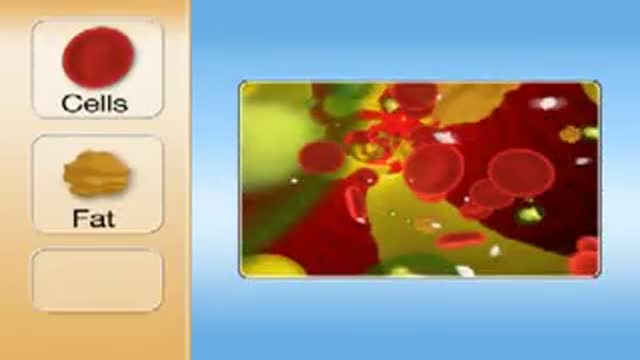
Blocked coronary arteries.
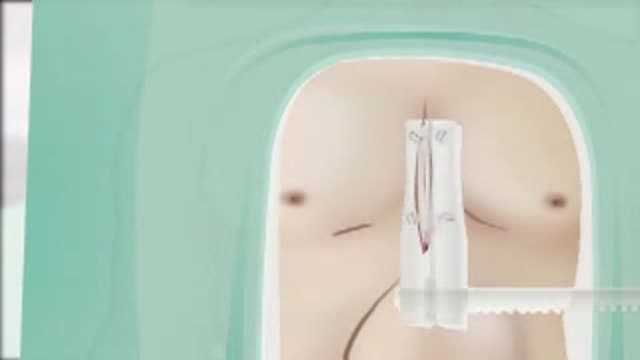
Aortic Valve Replacement Animation
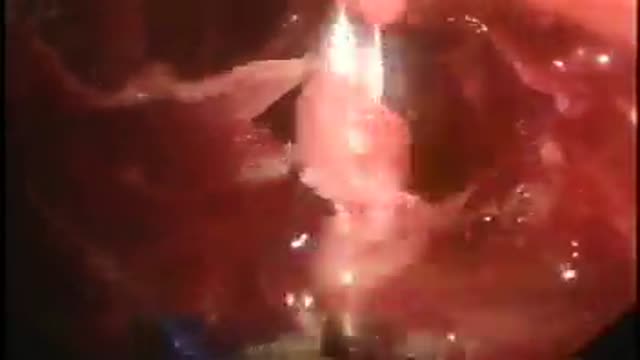
49-years old patient complaining of cough, fever and pleuritic pain for 2 weeks. At admission he was febrile and tachypnic. Chest X-Ray showed left pleural effusion. Thoracocentesis revealed purulent fluid. Chest CT-scan showed large and loculated left pleural effusion and pleural thickening. VATS decortication was performed through three incisions.

SCOOP transtracheal oxygen is indicated for patients with chronic hypoxemia which persists in spite of optimal medical therapy. Arterial blood gases obtained while breathing room air should show a PaO2< 55 mm Hg. SCOOP transtracheal oxygen is also indicated for patients with a PaO2 of 56-59 mm Hg ...
if they also have: 1) dependent edema suggesting congestive heart failure, 2) "P" pulmonale on EKG (P wave greater than 3mm in standard leads II, III or AVF), or 3) erythrocythemia with a hematocrit of >55%.
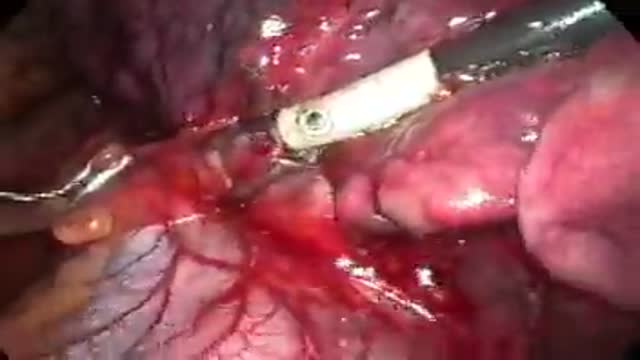
A 49-year old female patient complainig of cough. X-ray and chest CTscan showed a 2.5cm nodule in the left upper lobe. Transthoracic biopsy was consistent with adenocarcinoma. PET-Scan and CT Scan showed no mediastinal disease. The procedure was performed through three incisions.
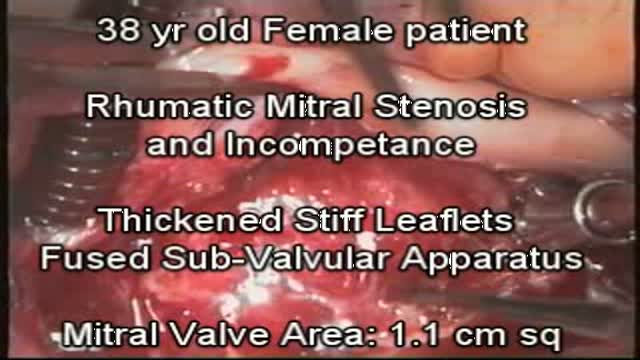
Rhumatic fever has almost been eraicated in the developed world, however it remains prevelent in many under developed countries and causes devastating damage to heart valves. Up till recently valve replacement was the treatment of choice. The long term results and sequelae of valve replacement are...
common knowledge. Mitral and tricuspid valve replacement results are on the whole far worse than for example Aortic valve. Mitral valve replacement should be the last resort and patients with very severe valvular and sub valvular mitral disease can nowadays be helped by mitral valve repair. NO MITRAL OR TRICUSPID VALVE SHOULD BE REPLACED IF IT CAN BE REPAIRED
39 Yr. Male with Aortic Stenosis and Incompetance and Good LV Function. The Patient is an athlete and did not want to take oral anticoagulants so opted out for a Bio-prosthesis. A 23mm Hancock II Porcine Xenograft was used in this operation. Usually central aortic and Rt. Atrial cannulation is per...formed with this procedure, however on occasions Percutaneous (Seldinger Technique) Femoro Femoral artery cannulation is used. The Kit is manufactured by DLP and consists of a 20mm Arterial cannula and a 29mm two stage Rt. Atrial Cannula.
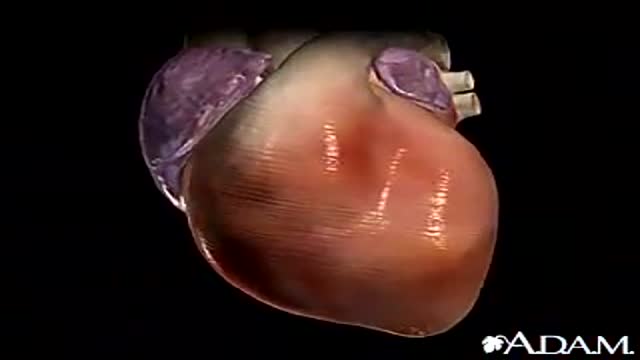
Animated video about Cardiac Arrhythmia
Off-Pump CABG in Dextrocardia; A New Challenge for a New Era

Repair of Anomalous Left Coronary Artery from the Pulmonary Artery (AlCAPA) in an Adult
Aortic Valve-Sparing Operation in a Patient with Aortic Root Aneurysm using a new Prosthesis for Anatomical Reconstruction of the Sinuses of Valsalva
Endoscopic Atraumatic Coronary Artery Bypass EndoACA
Arterial Coronary Off-Pump Revascularization

An overview of stomach cancer
How to Read ECG Part 3:
1-All
2-How to Read an ECG
3-ST Segment Changes
4-T Wave Changes
5-Effects of Drugs
6-Revision
