
- Physical Examination
- Surgical Examination
- Ophthalmology
- Clinical Skills
- Orthopedics
- Surgery Videos
- Laparoscopy
- Pediatrics
- Funny Videos
- Cardiothoracic Surgery
- Nursing Videos
- Plastic Surgery
- Otorhinolaryngology
- Histology and Histopathology
- Neurosurgery
- Dermatology
- Pediatric Surgery
- Urology
- Dentistry
- Oncology and Cancers
- Anatomy Videos
- Health and Fitness
- Radiology
- Anaesthesia
- Physical Therapy
- Pharmacology
- Interventional Radiology
- Cardiology
- Endocrinology
- Gynecology
- Emergency Medicine
- Psychiatry and Psychology
- Childbirth Videos
- General Medical Videos
- Nephrology
- Physiology
- Diet and Food Health
- Diabetes Mellitus
- Neurology
- Women Health
- Osteoporosis
- Gastroenterology
- Pulmonology
- Hematology
- Rheumatology
- Toxicology
- Nuclear Medicine
- Infectious Diseases
- Vascular Disease
- Reproductive Health
- Burns and Wound Healing
- Other
Pharmacology


Modern treatment of seizures started in 1850 with the introduction of bromides, which was based on the theory that epilepsy was caused by an excessive sex drive. In 1910, phenobarbital (PHB), which then was used to induce sleep, was found to have antiseizure activity and became the drug of choice for many years. A number of medications similar to PHB were developed, including primidone.
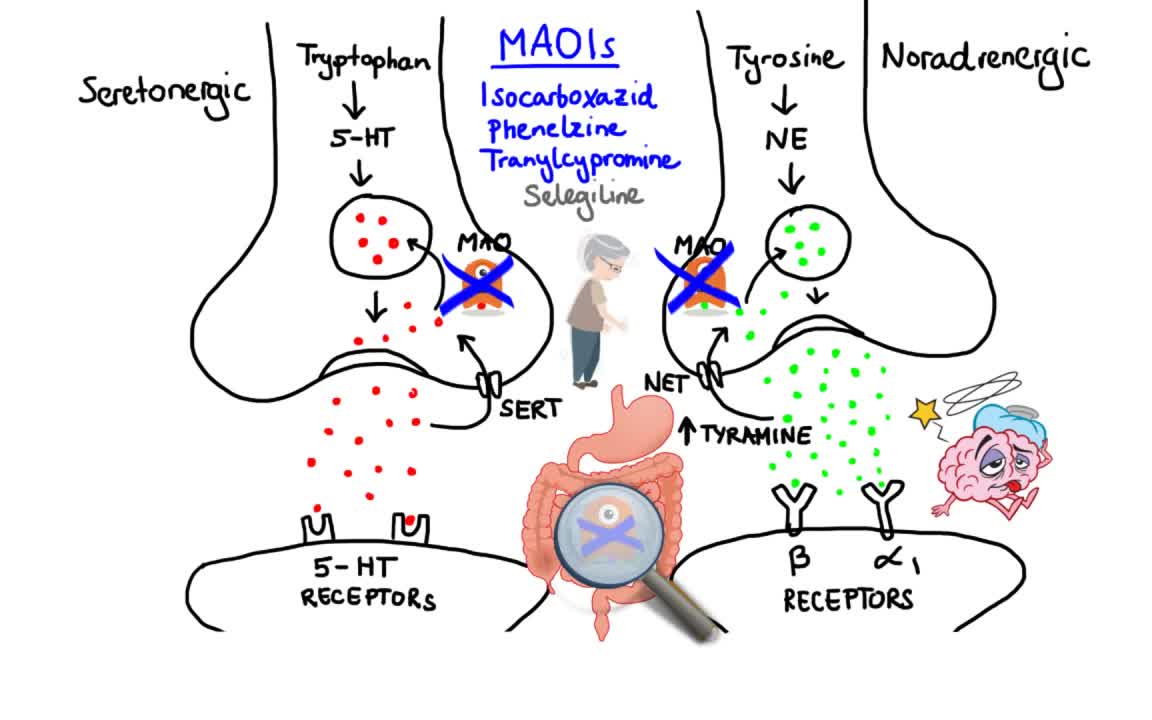
Do you suffer with depression? Maybe you’ve recently been diagnosed or are a caregiver to someone with depression. Learn more about this common mood disorder, including depression causes, risk factors, and prevention. We’ll help you take control of your depression and live an active, healthy life.
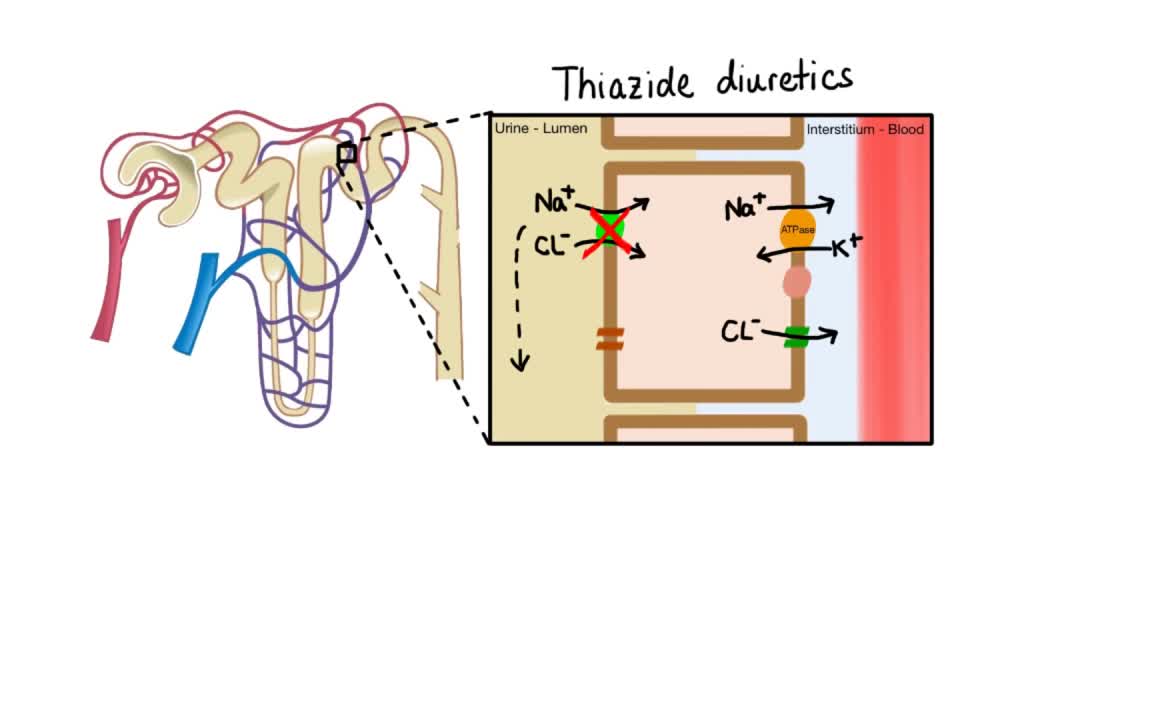
Diuretics, sometimes called water pills, help rid your body of salt (sodium) and water. Most work by making your kidneys release more sodium into your urine. The sodium then takes water with it from your blood. That decreases the amount of fluid flowing through your blood vessels, which reduces pressure on your vessel walls.

Medications to treat high blood pressure Thiazide diuretics. ... Beta blockers. ... Angiotensin-converting enzyme (ACE) inhibitors. ... Angiotensin II receptor blockers (ARBs). ... Calcium channel blockers. ... Renin inhibitors.
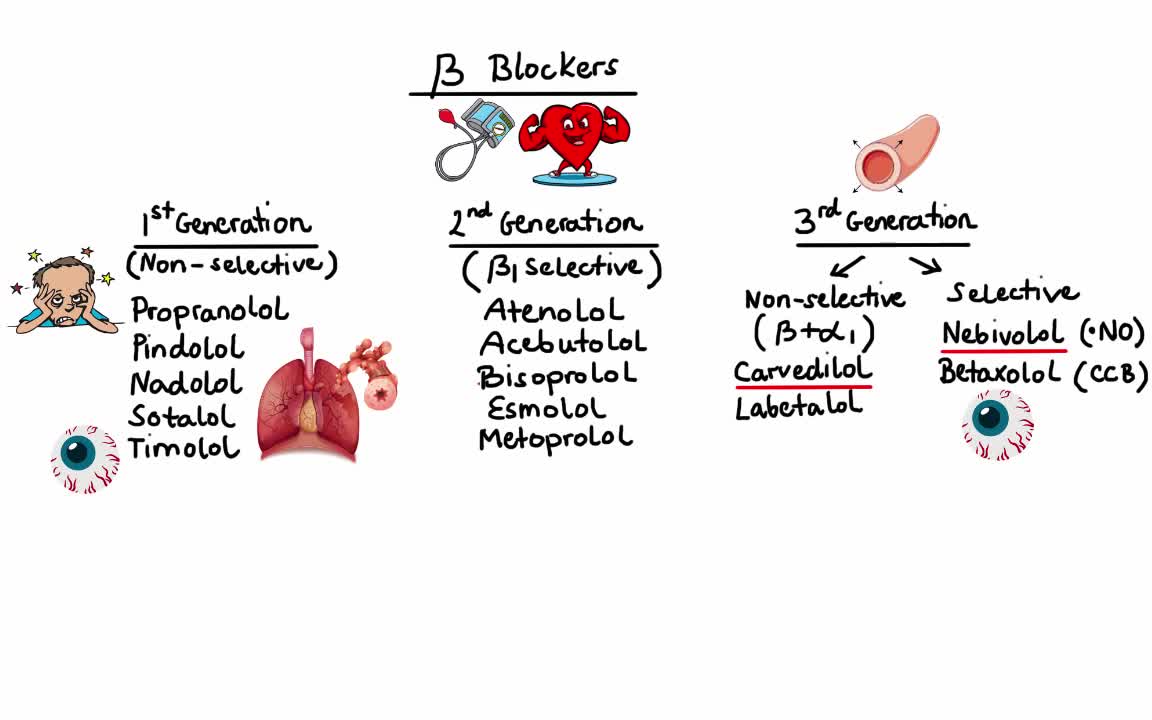
Alpha blockers relax certain muscles and help small blood vessels remain open. They work by keeping the hormone norepinephrine (noradrenaline) from tightening the muscles in the walls of smaller arteries and veins, which causes the vessels to remain open and relaxed. This improves blood flow and lowers blood pressure.

Furosemide is a prescription drug. It’s available in two forms that you take by mouth: a tablet and a solution. It’s also available as an injectable solution, which is given by a healthcare provider. The furosemide tablet is available as the brand-name drug Lasix. It’s also available as a generic drug. Generic drugs usually cost less. In some cases, they may not be available in every strength or form as the brand-name version.

Furosemide is used to reduce extra fluid in the body (edema) caused by conditions such as heart failure, liver disease, and kidney disease. This can lessen symptoms such as shortness of breath and swelling in your arms, legs, and abdomen. This drug is also used to treat high blood pressure. Lowering high blood pressure helps prevent strokes, heart attacks, and kidney problems. Furosemide is a "water pill" (diuretic) that causes you to make more urine. This helps your body get rid of extra water and salt.

Digoxin is used to treat heart failure, usually along with other medications. It is also used to treat a certain type of irregular heartbeat (chronic atrial fibrillation). Treating heart failure may help maintain your ability to walk and exercise and may improve the strength of your heart. Treating an irregular heartbeat can decrease the risk for blood clots, an effect that may reduce your risk for a heart attack or stroke.

This medication is used to treat certain types of serious (possibly fatal) irregular heartbeat (such as persistent ventricular fibrillation/tachycardia). It is used to restore normal heart rhythm and maintain a regular, steady heartbeat. Amiodarone is known as an anti-arrhythmic drug. It works by blocking certain electrical signals in the heart that can cause an irregular heartbeat.
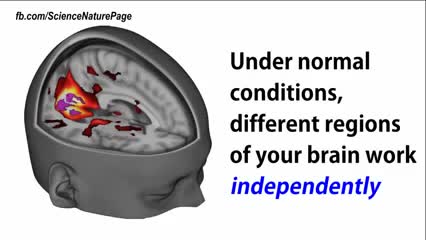
Scientists reveal how LSD alters your mind.
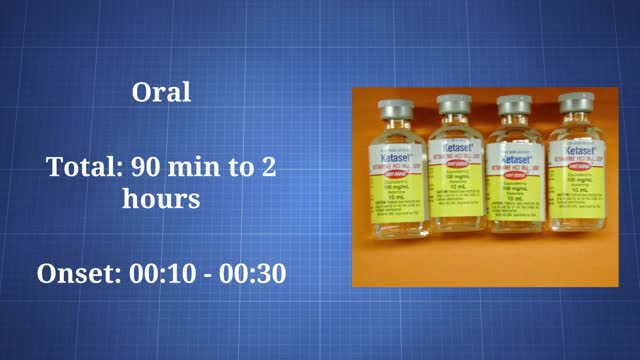
Inducing anesthesia (lack of sensation or feeling) before surgery or certain procedures that do not require skeletal muscle relaxation. It may also be used for other conditions as determined by your doctor.
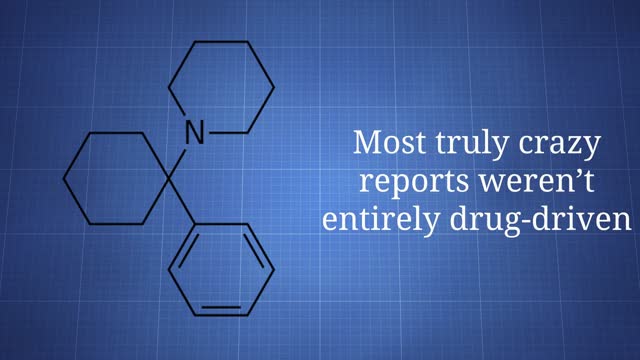
Phencyclidine (PCP) was developed in the 1950s as an intravenous anesthetic but, due to the side effects of confusion and delirium, its development for human medical use was discontinued. In its pure form, it is a white crystalline powder that readily dissolves in water or alcohol and has a distinctive bitter chemical taste. On the illicit drug market, Phencyclidine contains a number of contaminants as a result of makeshift manufacturing, causing the color to range from tan to brown, and the consistency to range from powder to a gummy mass. It is available in a variety of tablets, capsules, and colored powders, which are either taken orally or snorted. The liquid form of phencyclidine is actually phencyclidine base dissolved most often in ether, a highly flammable solvent. For smoking, phencyclidine is typically sprayed onto leafy material such as mint, parsley, oregano, or marijuana.

LSD is one of the most potent, mood-changing chemicals. It is manufactured from lysergic acid, which is found in the ergot fungus that grows on rye and other grains. It is produced in crystal form in illegal laboratories, mainly in the United States. These crystals are converted to a liquid for distribution. It is odorless, colorless, and has a slightly bitter taste.
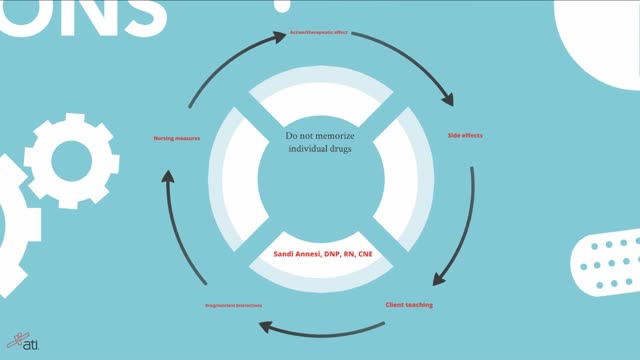
Remembering Medications & The Body Systems Affected

How to memorize more in pharma: Drug names, dental implications, numbers
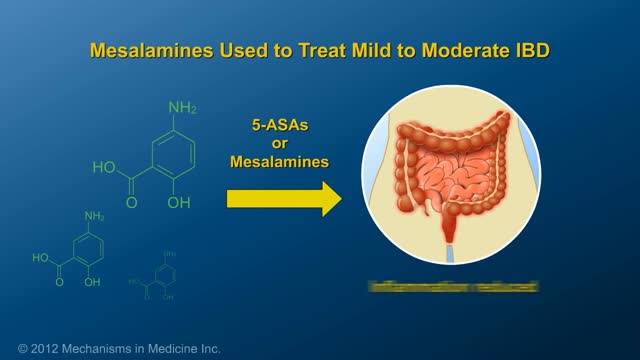
This animation describes risks of inflammatory bowel disease (IBD) and risks/benefits of medication (5-ASAs, steroids, immunomodulators, & biologics).

This video explains briefly the use of anti-tnf alpha in therapy.
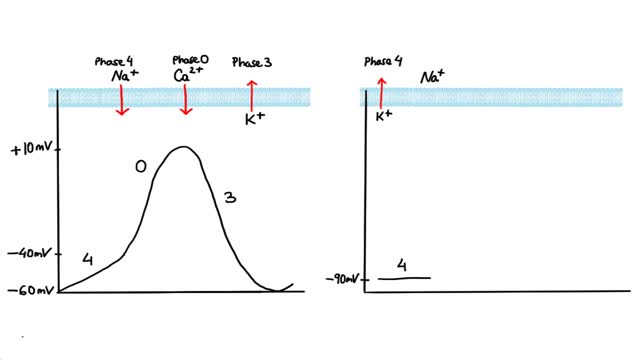
Antiarrhythmics are drugs that are used to treat abnormal heart rhythms resulting from irregular electrical activity of the heart. There are many different types of antiarrhythmic drugs. Examples include: Amiodarone (Cordarone) Flecainide (Tambocor) Procainamide (Procanbid) Sotalol (Betapace) In addition, there are other types of heart drugs that can be used to treat arrhythmias, including: Beta-blockers such as metoprolol or Toprol XL, which reduce the heart's workload and heart rate. Calcium channel blockers such as verapamil or Calan, which also reduces the heart rate.

Angina results from a reduction in the oxygen supply/demand ratio. Therefore, in order to alleviate the pain, it is necessary to improve this ratio. This can be done either by increasing blood flow (which increases oxygen delivery or supply), or by decreasing oxygen demand (i.e., by decreasing myocardial oxygen consumption).
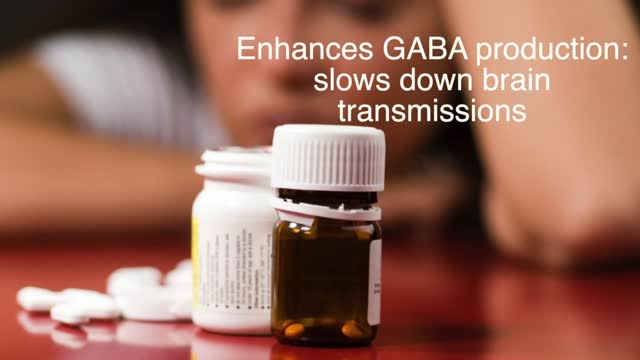
Benzodiazepines are a class of agents that work on the central nervous system, acting selectively on gamma-aminobutyric acid-A (GABA-A) receptors in the brain. GABA is a neurotransmitter that inhibits or reduces the activity of nerve cells (neurons) within the brain. Benzodiazepines open GABA-activated chloride channels, and allow chloride ions to enter the neuron. This makes the neuron negatively charged and resistant to excitation.
