
- Physical Examination
- Surgical Examination
- Ophthalmology
- Clinical Skills
- Orthopedics
- Surgery Videos
- Laparoscopy
- Pediatrics
- Funny Videos
- Cardiothoracic Surgery
- Nursing Videos
- Plastic Surgery
- Otorhinolaryngology
- Histology and Histopathology
- Neurosurgery
- Dermatology
- Pediatric Surgery
- Urology
- Dentistry
- Oncology and Cancers
- Anatomy Videos
- Health and Fitness
- Radiology
- Anaesthesia
- Physical Therapy
- Pharmacology
- Interventional Radiology
- Cardiology
- Endocrinology
- Gynecology
- Emergency Medicine
- Psychiatry and Psychology
- Childbirth Videos
- General Medical Videos
- Nephrology
- Physiology
- Diet and Food Health
- Diabetes Mellitus
- Neurology
- Women Health
- Osteoporosis
- Gastroenterology
- Pulmonology
- Hematology
- Rheumatology
- Toxicology
- Nuclear Medicine
- Infectious Diseases
- Vascular Disease
- Reproductive Health
- Burns and Wound Healing
- Other
Gynecology


The cause of HELLP syndrome is unknown, but there are certain factors that may increase your risk of developing it. Preeclampsia is the greatest risk factor. This condition is marked by high blood pressure and swelling, and it typically occurs during the last trimester of pregnancy.
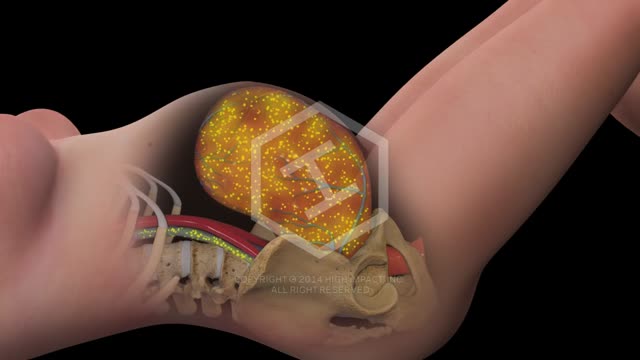
Formerly called toxemia, preeclampsia is a condition that pregnant women develop. It is marked by high blood pressure in women who have previously not experienced high blood pressure before. Preeclamptic women will have a high level of protein in their urine and often also have swelling in the feet, legs, and hands.

This video describes the various positions a baby may be in prior to delivery.
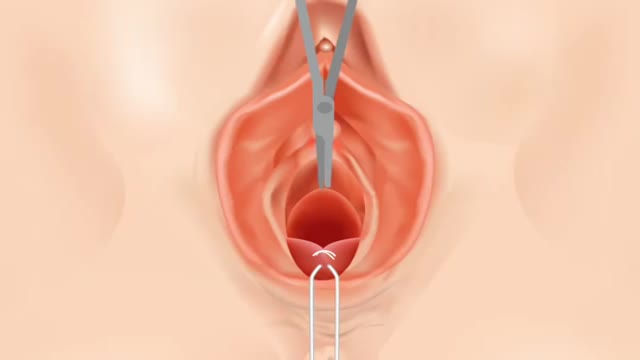
posterior augmentation
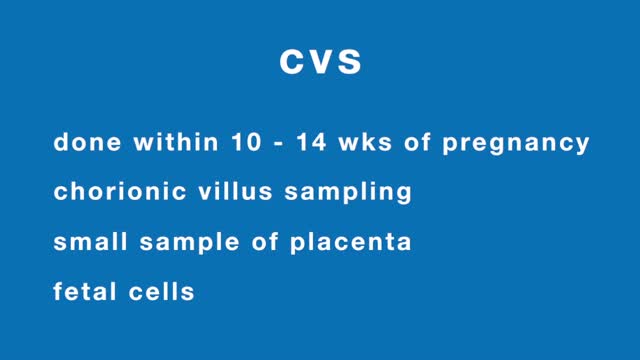
Chorionic villus sampling, often referred to as CVS, is a diagnostic test for identifying chromosome abnormalities and other inherited disorders. This test may be recommended by your health care provider, if you or your partner has family medical histories that reveal potential risks.

Adenomyosis is a condition in which the inner lining of the uterus (the endometrium) breaks through the muscle wall of the uterus (the myometrium). Adenomyosis can cause menstrual cramps, lower abdominal pressure, and bloating before menstrual periods and can result in heavy periods.

A retroverted uterus (tilted uterus, tipped uterus) is a uterus that is tilted posteriorly. This is in contrast to the slightly "anteverted" uterus that most women have, which is tipped forward toward the bladder, with the anterior end slightly concave.
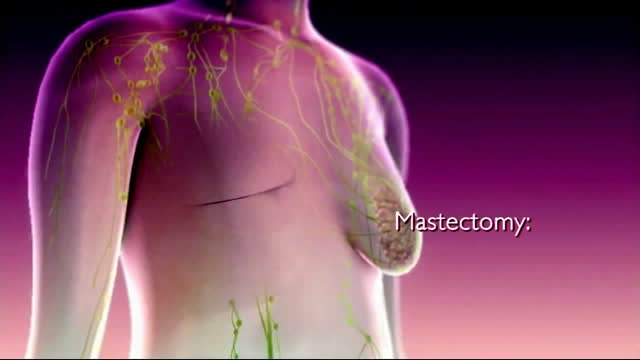
For both DCIS and invasive cancer, radiation therapy to the remaining breast tissue is generally recommended after surgery. A lumpectomy may also be called breast-conserving surgery, a partial mastectomy, quadrantectomy, or a segmental mastectomy. A mastectomy is the surgical removal of the entire breast.
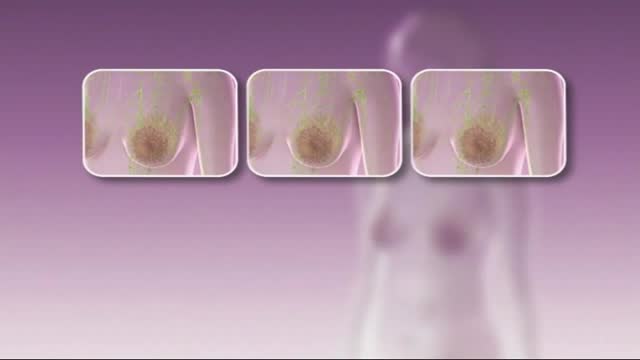
Stages In Breast Cancer
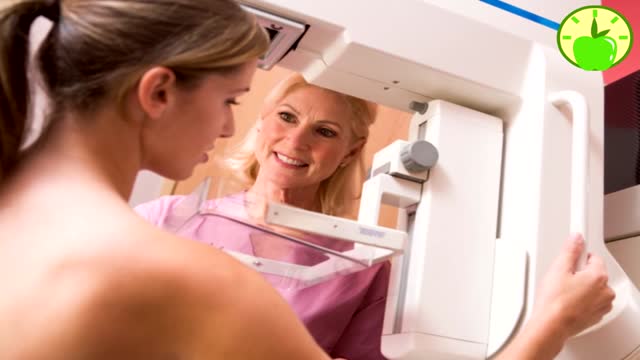
ATTENTION! 5 Warning Signs Of BREAST CANCER That Many Women Ignore!
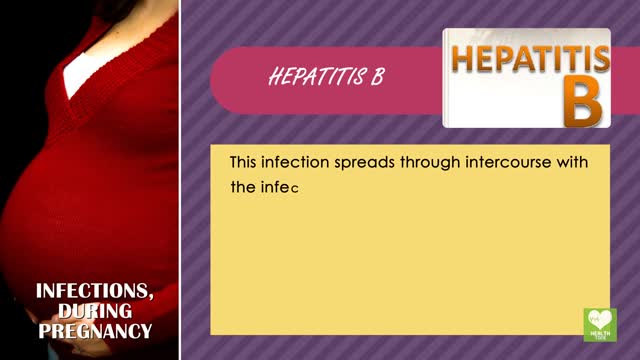
Watch out which infections could affect your baby or tend to be worse for you during pregnancy period and how to reduce your risk of getting them.

all pregnant women be screened for Chlamydia at the first prenatal visit. Women under age 25 and those at increased risk for chlamydia! Infection should have repeat testing in the third trimester. Chlamydia endometritis during pregnancy can lead to chorioamnionitis and premature delivery of the fetus. Untreated infection during pregnancy can also lead to conjunctivitis (ophthalmia neonatorum) and pneumonia in the newborn baby

Gynecology 3D Animation
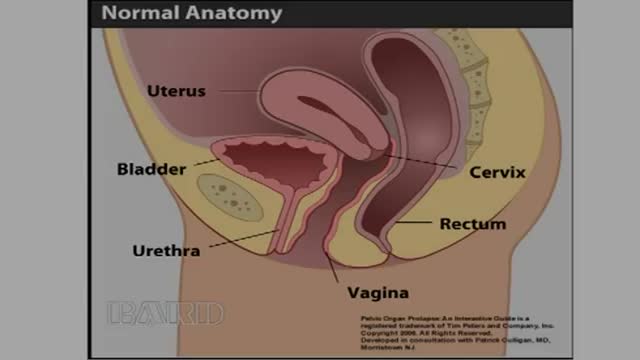
-Rectocele is a relatively common condition in older women and is characterized by the displacement of the rectum through posterior vaginal wall defect(s). The condition is typically caused by damage to the rectovaginal septum incurred during vaginal childbirth and is exacerbated by periodic increases in intraabdominal pressure (e.g., when laughing or coughing) and the effects of gravity. Women with symptomatic rectoceles who are poor surgical candidates may be treated with pessaries, which are structures designed to support the vaginal wall. Pessaries should only be used in conjunction with vaginal
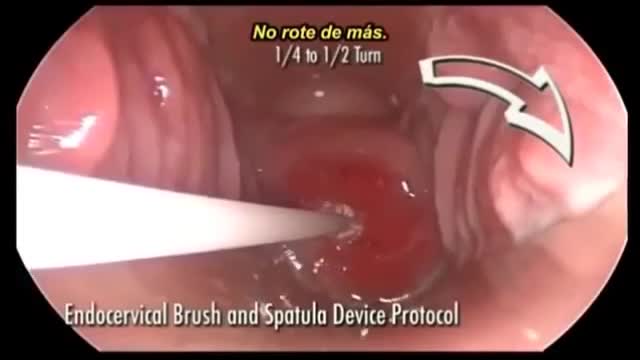
In patients age ;::25, HPV DNA testing is the preferred next step in management if the initial cytology shows ASC-US. In this method, samples are collected for both cytology and reflex HPV DNA. If cytology results are positive, HPV DNA testing is performed. If cytology results are negative, the sample for HPV DNA is discarded. HPV DNA testing along with Pap smear at 3 years is recommended if initial cytology shows ASC-US but HPV DNA testing is negative
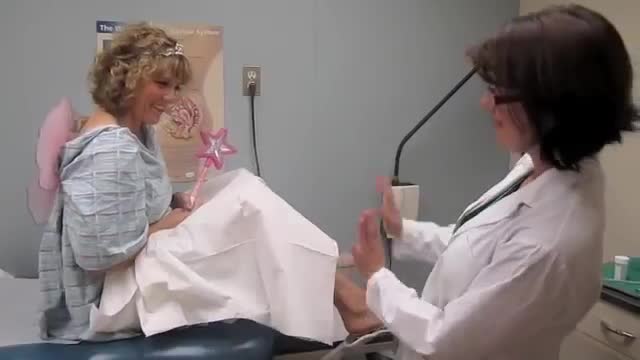
-A finding of ASC on cytology requires further investigation to exclude precancerous lesions. Recommendations differ for women age 21 -24 and those age ;::25. For women age 21 -24 with ASCUS or low-grade squamous intraepitheliallesion (LSIL), current guidelines recommend repeating Pap smear in one year. In this younger patient population, HPV infection is transient and malignant transformation is rare. Therefore, colposcopy is not performed unless the patient demonstrates ASC-US or LSIL on 3

How to Check Cervical Mucus

Cervical Mucus

Most women have vaginal discharge at many different times throughout their cycle. During ovulation, white and watery discharge is common and accepted as normal. But, discharge after ovulation is widely believed to be a sign of pregnancy.

Our calculator can help you discover the most fertile days of your menstrual cycle or your “Estimated Fertility Window” based on information you provide.
