
- Procedures & Tests
- Symptoms A-Z
- Symptom Checker
- Kidney Diet
- First Aid
- Anatomy Atlas
- Ask MedicalVideos
- Drug Guide
- Lab Values
- Vital Signs
- Muscles A–Z
- Clinical Signs
- Medical Abbreviations
- Medical Terminology
- Physical Examination
- Surgical Examination
- Ophthalmology
- Clinical Skills
- Orthopedics
- Surgery Videos
- Laparoscopy
- Pediatrics
- Funny Videos
- Cardiothoracic Surgery
- Nursing Videos
- Plastic Surgery
- Otorhinolaryngology
- Histology and Histopathology
- Neurosurgery
- Dermatology
- Pediatric Surgery
- Urology
- Dentistry
- Oncology and Cancers
- Anatomy Videos
- Health and Fitness
- Radiology
- Anaesthesia
- Physical Therapy
- Pharmacology
- Interventional Radiology
- Cardiology
- Endocrinology
- Gynecology
- Emergency Medicine
- Psychiatry and Psychology
- Childbirth Videos
- General Medical Videos
- Nephrology
- Physiology
- Diet and Food Health
- Diabetes Mellitus
- Neurology
- Women Health
- Osteoporosis
- Gastroenterology
- Pulmonology
- Hematology
- Rheumatology
- Toxicology
- Nuclear Medicine
- Infectious Diseases
- Vascular Disease
- Reproductive Health
- Burns and Wound Healing
- Kidney Zone Podcast
- Other
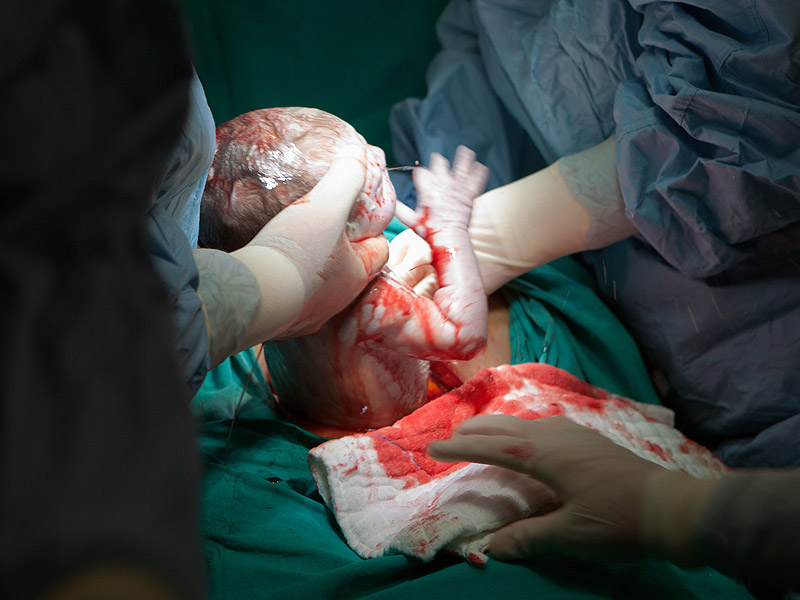

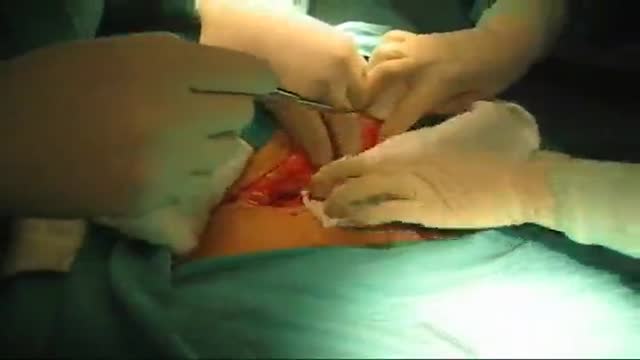

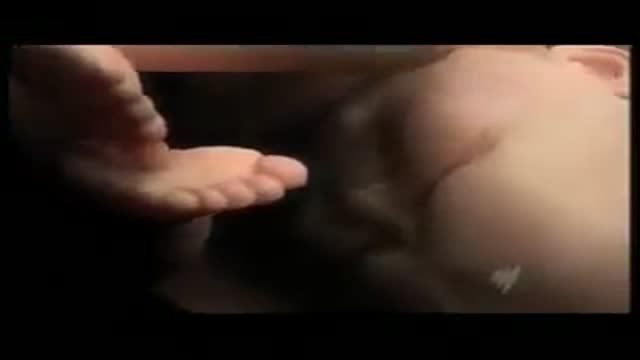
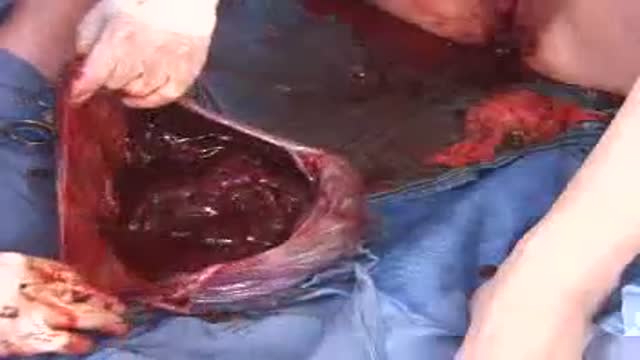


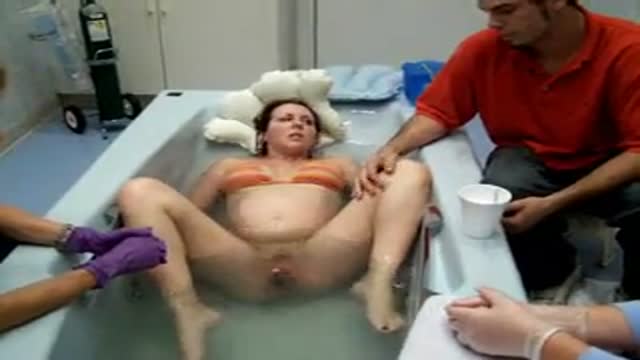
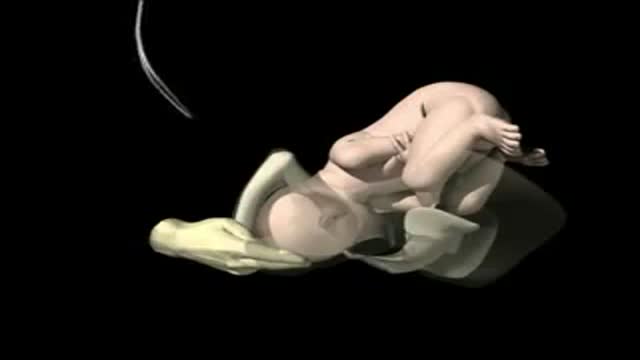

Reasons for c-section delivery of baby

Educational only: videos on MedicalVideos.com are for general information and are not medical advice. Always consult your own doctor about your health.
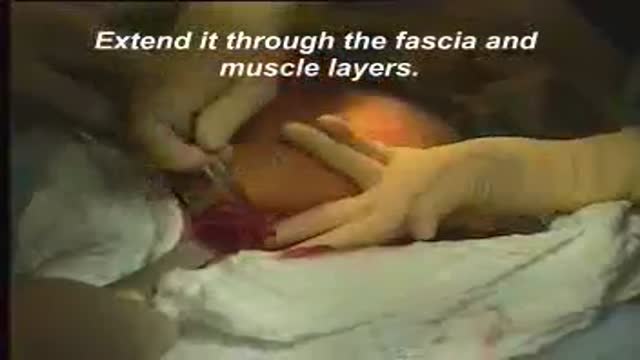
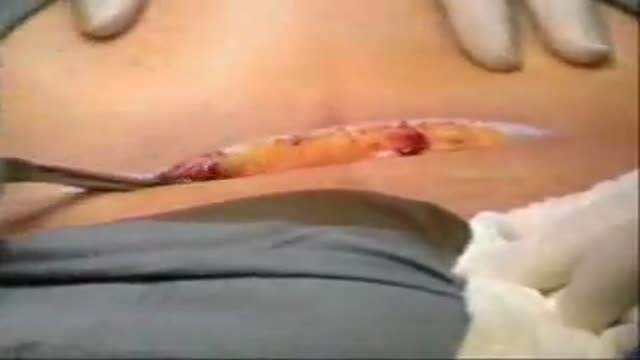
A cesarean delivery is a surgical procedure in which a fetus is delivered through an incision in the mother's abdomen and uterus. ... According to the CDC, in 2010, almost 33% of births were by cesarean delivery.
This video in 30 seconds
This video covers reasons for cesarean delivery of a baby. It defines a cesarean delivery as a surgical procedure in which a fetus is delivered through an incision in the mother's abdomen and uterus, and notes CDC figures that in 2010 almost 33 percent of births were by cesarean delivery as described.
Key points
- Covers reasons for cesarean delivery as its topic
- Defines cesarean delivery through incisions in the abdomen and uterus
- Notes almost 33 percent of births in 2010 were cesarean deliveries according to the CDC as described
Video Transcript
This narrated explainer lists reasons for caesarean delivery. It covers breech presentation, prolapsed umbilical cord, cord around the neck and cord compression, and cephalopelvic disproportion, explaining how each can compromise the baby's blood supply or make vaginal delivery difficult.
Read the full transcript
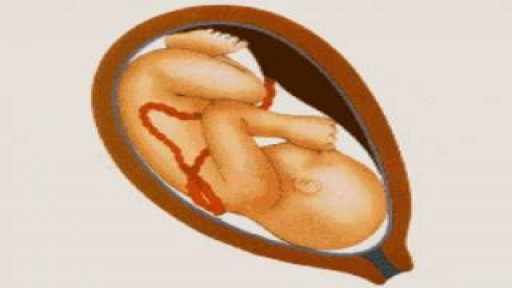
reasons for C-section. In some cases during pregnancy your doctor may suggest you to go for elective or emergency. C-section, this video is about that reasons for which your doctor suggests C-section. One of the important indication for section is bridge position of a baby. Usually at the time of birth, baby occupies the position in the womb such that head is downward. However in some cases baby fails to get rotated properly and baby's buttocks lies at the opening of birth canal. In such case normal delivery of the baby gets difficult and C-section has to be performed.
In another case of prolpast umbilical cord, umbilical cord falls down into the vagina through. The open cervix, ahead of the baby, during or prior to pregnancy, cord may get trapped against babies. In the head, compromising baby's blood supply, this condition may occur in breach birth, excessive amniotic fluid, and unusual long umbilical cord. In few cases umbilical cord slips around neck of baby and there is a fear of strangulation of baby or decrease in blood supply due to blood vessel compression. This is called as cord around neck or nuke cord.
Umbilical cord compression is a condition in which cord get compressed and flattened. According to serious risk to infant health, as the cord slips into the birth canal, it comes in between head of the fetus and birth canal. This condition may occur in cord prolapse, nuke cord etc. Cephalopelvic disproportion is a condition in which baby's head is larger than mother's pelvis. This mismatch leads to difficult normal delivery. During delivery of baby, sequence of movement take place on the baby's head and the body. Eventually baby's head lies in oxipotto transverse position that is facing right or left.
After rotation it comes to oxipotto anterior position, that is facing backwards. In this condition, baby fails to rotate and get stuck to transverse position, from which normal delivery is not possible. This is called as deep transverse arrest. In the healthy continuation of pregnancy, proper amount of amniotic fluid is needed in the uterus, around 500 ml at 32-34 weeks. In cases such as post-term pregnancy, placental insufficiency, maternal dehydration, fetal renal insufficiency, diabetes mellitus of mother, may lead to less amniotic fluid called as oligo-hyromneos. This is one of the reason for C-section.
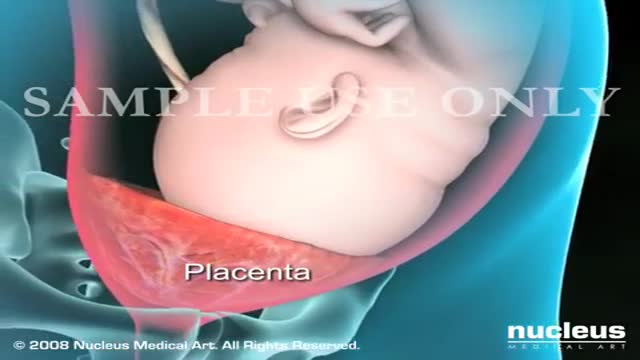
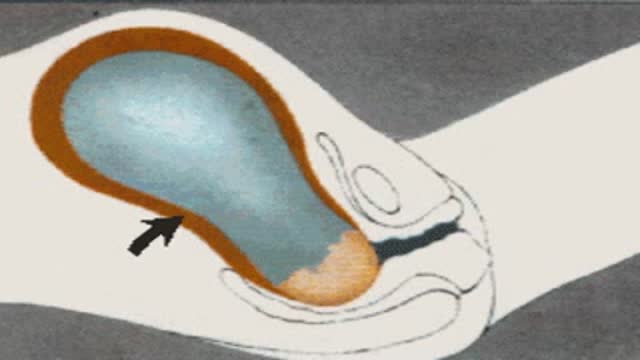
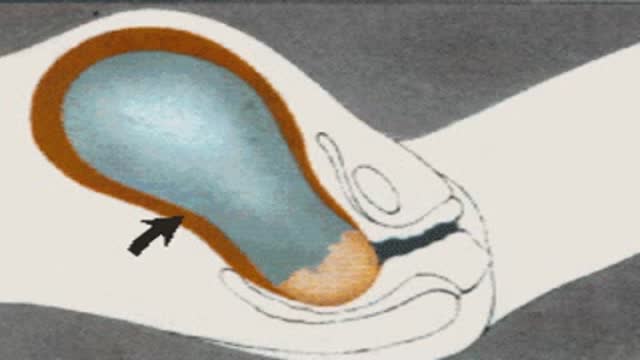
Normally placenta is located in the posterior wall of the uterus, that is on the backside. In certain situations this placenta comes to life partially or completely on the cervical opening, obstructing the birth canal. This can cause excessive bleeding during pregnancy. Your doctor may suggest you to go for emergency C-section in this condition. Baby and amniotic fluid is held intact by membranes inside the womb. Premature rupture of membrane is a condition beyond 37 weeks of gestation in which membranes ruptures before onset of labor. Urinary tract infection, vaginal bleeding, tobacco use, circlage, low body mass index may lead to premature rupture of membranes.
Similar to breech-birth-lie, transverse-lie is also a condition in which baby lies in the transverse position instead of upside down causing difficulty in normal delivery. Sometimes baby breeds meconium with amniotic fluid causing fetal distress called as meconium. Aspiration syndrome, meconium is thick green-gut excretion of a fetus if signs of fetal distress. Like falling heart rate is observed then emergency C-section may have to be performed. These all were common indications for C-section. Thank you for watching this video. Subs for Sabi for more Medical 3D videos.
Transcript auto-generated from the video’s audio for accessibility and study. Educational content only — not medical advice.
Medical Videos
Free medical and surgery videos for patients, students and professionals — trusted since 2007.
Founded by Dr. Mohamed Ibrahim, MD, PhD — physician-scientist.
Follow us on Facebook · Instagram
SORT BY-
Top Comments
-
Latest comments