
- Physical Examination
- Surgical Examination
- Ophthalmology
- Clinical Skills
- Orthopedics
- Surgery Videos
- Laparoscopy
- Pediatrics
- Funny Videos
- Cardiothoracic Surgery
- Nursing Videos
- Plastic Surgery
- Otorhinolaryngology
- Histology and Histopathology
- Neurosurgery
- Dermatology
- Pediatric Surgery
- Urology
- Dentistry
- Oncology and Cancers
- Anatomy Videos
- Health and Fitness
- Radiology
- Anaesthesia
- Physical Therapy
- Pharmacology
- Interventional Radiology
- Cardiology
- Endocrinology
- Gynecology
- Emergency Medicine
- Psychiatry and Psychology
- Childbirth Videos
- General Medical Videos
- Nephrology
- Physiology
- Diet and Food Health
- Diabetes Mellitus
- Neurology
- Women Health
- Osteoporosis
- Gastroenterology
- Pulmonology
- Hematology
- Rheumatology
- Toxicology
- Nuclear Medicine
- Infectious Diseases
- Vascular Disease
- Reproductive Health
- Burns and Wound Healing
- Other
Infectious Diseases
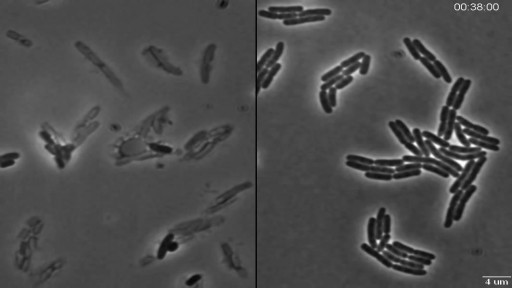

Lysis of E. Coli bacteria with penicillin
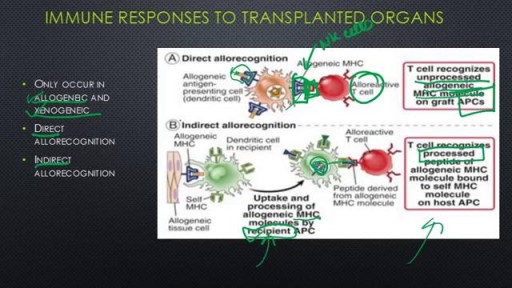
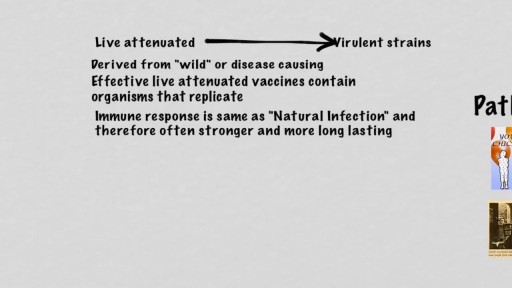



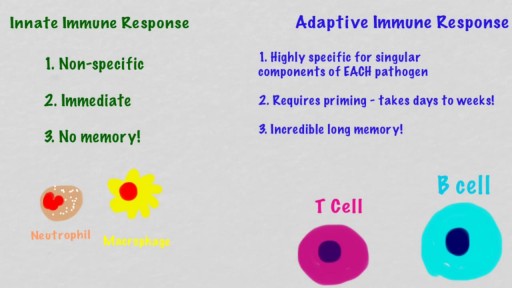
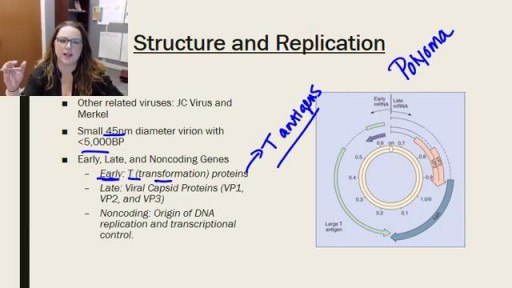
A brief overview of Filarial infection in humans. This presentation includes the etiopathogenesis, clinical manifestations, diagnosis and treatment of this condition.
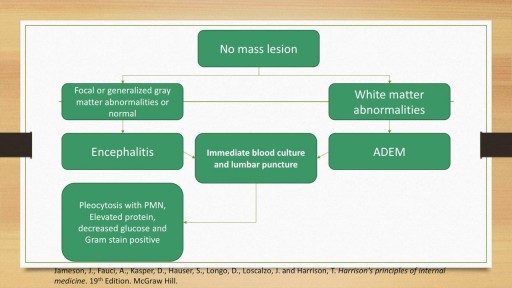
A detailed discussion of the causes, diagnosis and management of the causes of Meningitis and Encephalitis. Includes bacterial, viral, fungal and autoimmune conditions as well as treatment of these conditions. Includes antivirals such as Aciclovir and Ganciclovir as well as IVIG and plasma exchange for autoimmune encephalitis.

A brief description of the pathophysiology, clinical features, warning signs, diagnosis and management of Dengue fever. This description is based on the World Health Organisation guidelines of the management of Dengue fever.
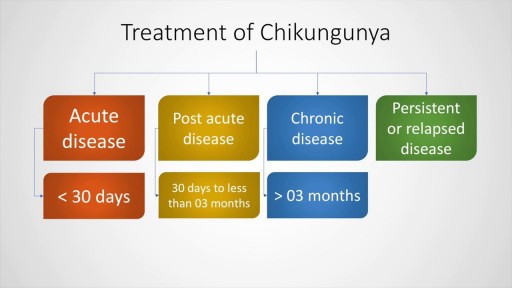
A decade ago we thought that Chikungunya was a tropical disease restricted to the rain forests. However, after the 2007 epidemic in Italy and later in the Reunion islands, this dreaded condition has now spread to the Carribean and the Americas. Its an arthropod borne alpha virus which causes fever, polyarthralgia and arthritis. There could be serious complications in the adult such as meningoencephalitis or GBS as well as in neonates. This presentation discusses in detail the clinical features, diagnosis and management of Chikungunya fever. A detailed discussion of its complications is also included. Check out our other videos
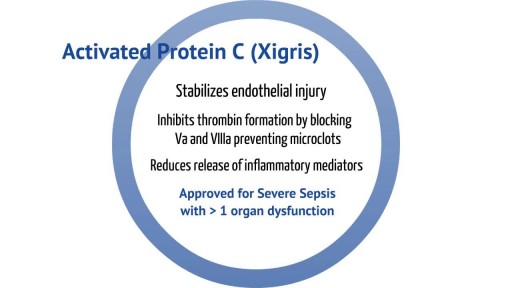
Sepsis occurs when chemicals released in the bloodstream to fight an infection trigger inflammation throughout the body. This can cause a cascade of changes that damage multiple organ systems, leading them to fail, sometimes even resulting in death. Symptoms include fever, difficulty breathing, low blood pressure, fast heart rate, and mental confusion. Treatment includes antibiotics and intravenous fluids.

Overview HIV is a virus that affects the immune system, specifically the CD4 cells. The CD4 cells help protect the body from illness. Unlike other viruses that the immune system can fight off, HIV can’t be eliminated by the immune system. The symptoms of HIV can vary greatly from person to person. No two people with HIV will likely experience the exact same symptoms. However, HIV will generally follow this pattern: acute illness asymptomatic period advanced infection Acute illness Approximately 80 percent of people who contract HIV experience flu-like symptoms within two to four weeks. This flu-like illness is known as acute HIV infection. Acute HIV infection is the primary stage of HIV and lasts until the body has created antibodies against the virus. The most common symptoms of this stage of HIV include: body rash fever sore throat severe headaches Less common symptoms may include: fatigue swollen lymph nodes ulcers in the mouth or on the genitals muscle aches joint pain nausea and vomiting night sweats Symptoms typically last one to two weeks. Anyone who has these symptoms and thinks they may have contracted HIV should consider scheduling an appointment with their healthcare provider to get tested. Symptoms specific to men Symptoms of HIV are generally the same in women and men. One HIV symptom that is unique to men is an ulcer on the penis. HIV may lead to hypogonadism, or poor production of sex hormones, in either sex. However, hypogonadism’s effects on men are easier to observe than its effects on women. Symptoms of low testosterone, one aspect of hypogonadism, can include erectile dysfunction (ED).
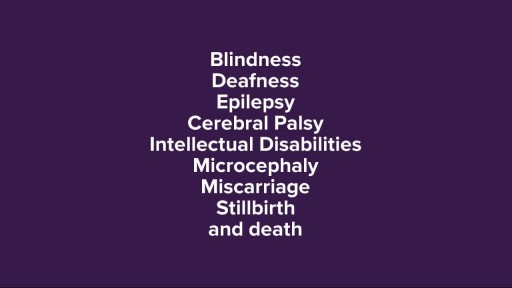
Cytomegalovirus is a genus of viruses in the order Herpesvirales, in the family Herpesviridae, in the subfamily Betaherpesvirinae. Humans and monkeys serve as natural hosts.
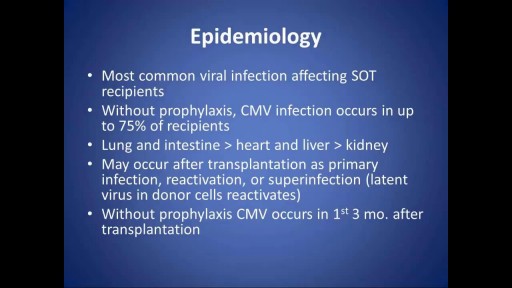
Cytomegalovirus (CMV) continues to have a tremendous impact in solid organ transplantation despite remarkable advances in its diagnosis, prevention and treatment. It can affect allograft function and increase patient morbidity and mortality through a number of direct and indirect effects. Patients may develop asymptomatic viremia, CMV syndrome or tissue-invasive disease. Late-onset CMV disease continues to be a major problem in high-risk patients after completion of antiviral prophylaxis. Emerging data suggests that immunologic monitoring may be useful in predicting the risk of late onset CMV disease. There is now increasing interest in the development of an effective vaccine for prevention. Novel antiviral drugs with unique mechanisms of action and lesser toxicity are being developed. Viral load quantification is now undergoing standardization, and this will permit the generation of clinically relevant viral thresholds for the management of patients. This article provides a brief overview of the contemporary epidemiology, clinical presentation, diagnosis, prevention and treatment of CMV infection in solid organ transplant recipients.
