
- Physical Examination
- Surgical Examination
- Ophthalmology
- Clinical Skills
- Orthopedics
- Surgery Videos
- Laparoscopy
- Pediatrics
- Funny Videos
- Cardiothoracic Surgery
- Nursing Videos
- Plastic Surgery
- Otorhinolaryngology
- Histology and Histopathology
- Neurosurgery
- Dermatology
- Pediatric Surgery
- Urology
- Dentistry
- Oncology and Cancers
- Anatomy Videos
- Health and Fitness
- Radiology
- Anaesthesia
- Physical Therapy
- Pharmacology
- Interventional Radiology
- Cardiology
- Endocrinology
- Gynecology
- Emergency Medicine
- Psychiatry and Psychology
- Childbirth Videos
- General Medical Videos
- Nephrology
- Physiology
- Diet and Food Health
- Diabetes Mellitus
- Neurology
- Women Health
- Osteoporosis
- Gastroenterology
- Pulmonology
- Hematology
- Rheumatology
- Toxicology
- Nuclear Medicine
- Infectious Diseases
- Vascular Disease
- Reproductive Health
- Burns and Wound Healing
- Kidney Zone Podcast
- Other
Latest videos
The newest additions to the MedicalVideos.com library — freshly curated medical and surgery videos, explainers, and lectures from educators and institutions worldwide.
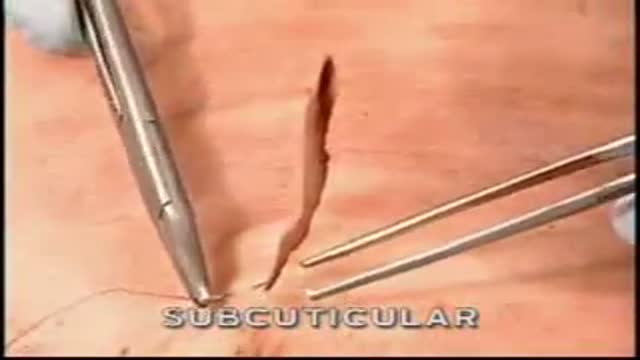

Subcuticular Skin Suturing
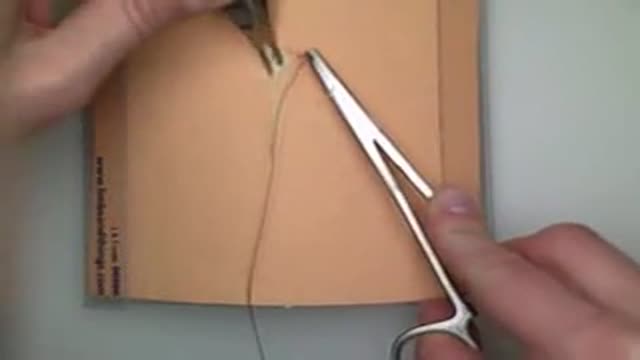
Demonstration of deep dermal suturing technique for laceration repair or wound closure in the operating room.
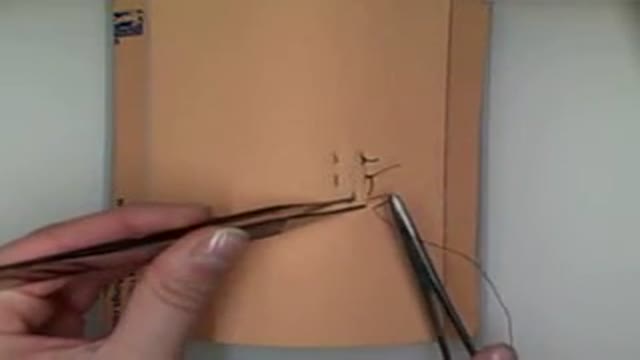
Demonstration of vertical mattress suturing technique for laceration repair or wound closure in the operating room.
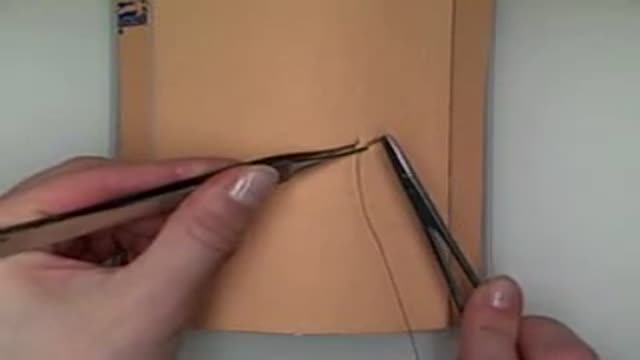
Demonstration of horizontal mattress suturing technique for laceration repair or wound closure in the operating room.

The Principles of Laparoscopic Suturing
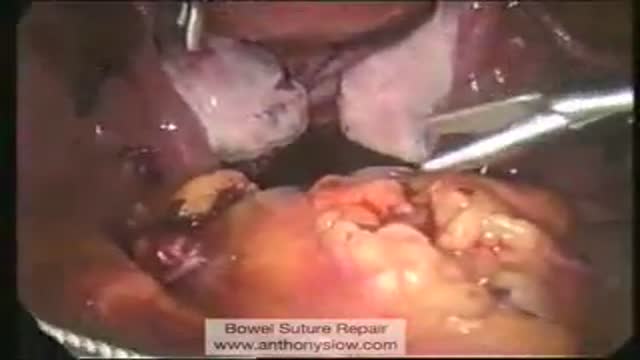
Laparoscopic Suture Repair of Bowel
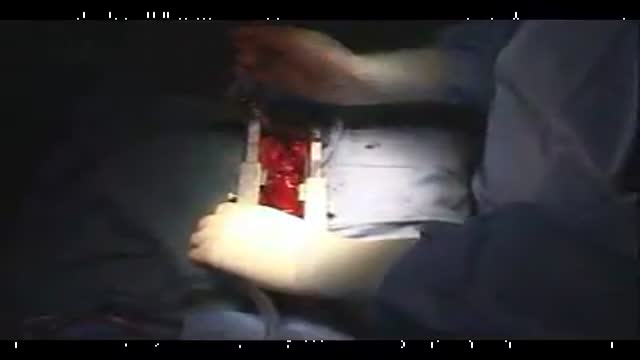
Open heart (coronary artery bypass, or CABG) surgery is performed in order to reroute, or "bypass," blood around blocked arteries, thereby improving the supply of oxygen-rich blood to the heart. Surgeons usually use an artery from the chest wall to construct the "detour" around the blocked part of the artery. Veins from the legs are also used.
A 3D animated explanation of the circumcision procedure. Educational only — not personal medical advice.

This childbirth video shows a water birth, in which labor and delivery take place in a tub of warm water. The recording presents the delivery as an educational record of this method of giving birth, which some mothers choose for comfort and relaxation during labor. Water birth is offered in many midwifery-led units.

This video is a television news report from Hutzel Women's Hospital in Detroit about twin-to-twin transfusion syndrome (TTTS), a placental condition that can affect identical twin pregnancies. It follows one family's care, including a minimally invasive in-utero laser procedure used to treat the condition, and the twins' delivery two months later. Educational only — not medical advice.
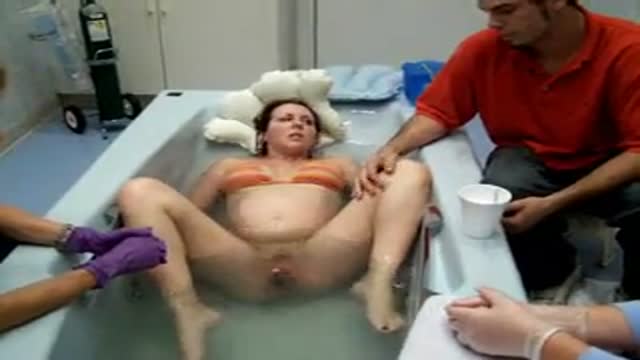
This video records a water birth, with delivery taking place in a birthing pool, and follows the final stage of labor through the baby's first moments. It offers students and expectant parents a clear look at how water births are supported and managed. For learning purposes only — not medical advice.
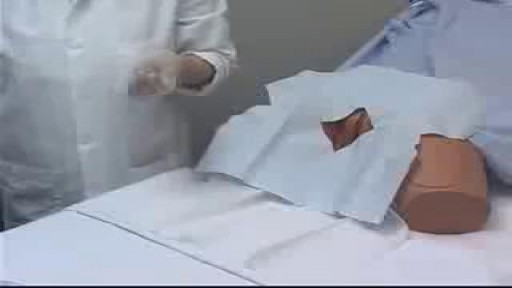
Female urinary catheter insertion is demonstrated in this clinical skills video. The recording shows the sterile technique used to place a catheter into the bladder through the urethra. It is a training resource for nursing and medical students learning urinary catheterization procedures.
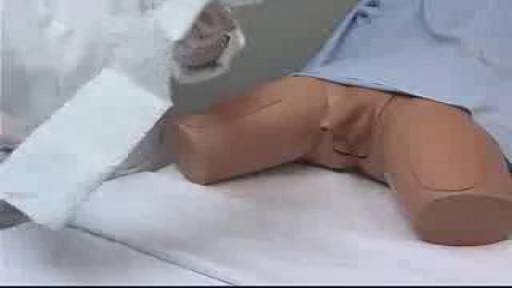
Step by step, this demonstration covers male Foley catheter insertion, from sterile preparation and draping to advancing the catheter and securing it once urine flows. It is a practical skills resource for nursing and medical students. Procedure education only — not personal medical advice.

Phlebotomy Procedure
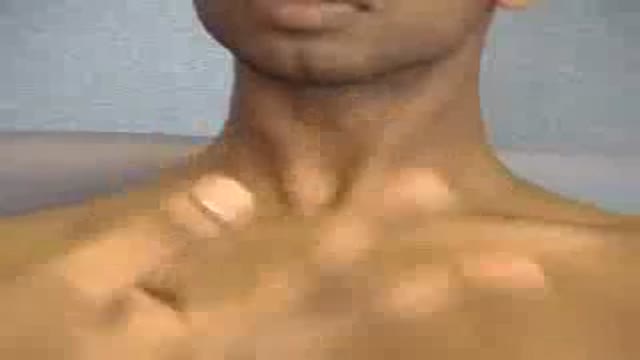
Tracheal Deviation Technique
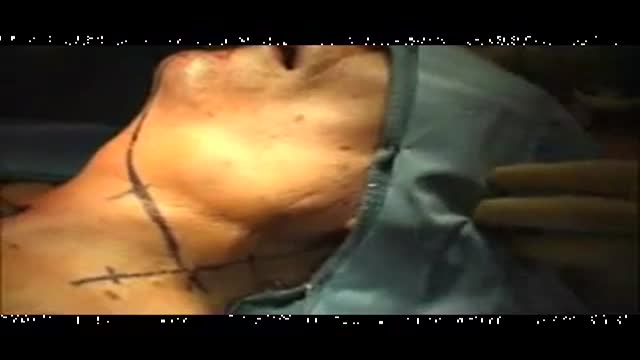
This video demonstrates the approach to a large base of tongue tumor, which was invading the ramus of the mandible. The procedure, named after Dr. Trotter, is really a median labiomandibuloglossotomy. In this case this poorly differentiated tumor was resected along with a portion of the floor of mouth. The entire area was reconstructed with a pectoralis major myocutaneous flap.
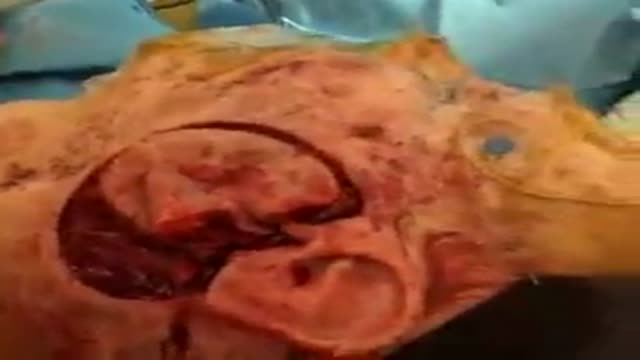
This video shows a patient with a large squamous cell carcinoma that has eroded through his external ear. The lesion has also infiltrated the parotid gland. We show the resection of this lesion with associated reconstruction.
In PRK the epithelium (top layer of the cornea) is scraped off and then the laser treatment is applied. A contact lens is used as a "bandage" to decrease discomfort. The epithelium then grows back over the bare area during the next few days.
In LASEK the epithelium is exposed to 20% alcohol which helps separate epithelium from the cornea. The epithelium is pushed to one side and laser treatment applied. The epithelial layer is replaced back onto the eye and held in place with a contact lens. The contact lens is then removed a few days later. LASEK is hence a "no knife"/flap operation.
Epi-Lasik is a similar procedure that uses a keratome like that used for Lasik, but engineered to only separate the epithelium. The epithelium is left on a hinge, laser treatment applied and flap replaced.
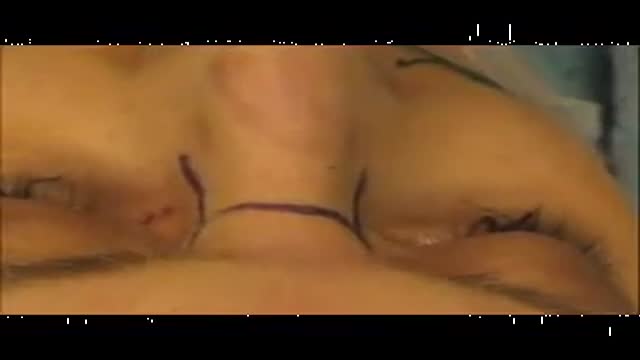
This procedure describes one of the most versatile approaches to the anterior skull base for large tumors of the sinonasal cavity. It may be used with or without a craniofacial resection. The benefits of this approach are: wide access around the tumor; good postoperative cosmesis; & decreased operative & postoperative morbidity. We have used this approach for many bilateral tumors of the nasal & sinus cavities that approach &/or invade the skull base & brain. This video show the resection of a large esthesioneuroblastoma.
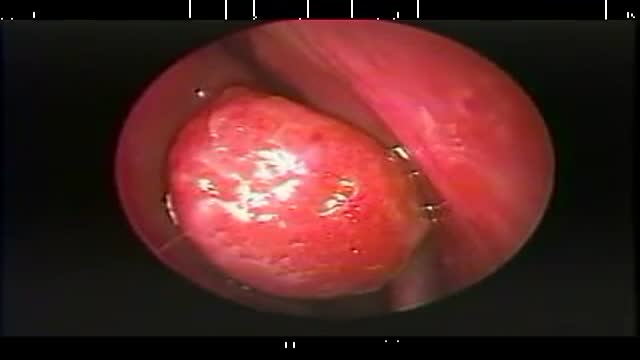
Endoscopic resection of a large right concha bullosa.
Medical Videos
Free medical and surgery videos for patients, students and professionals — trusted since 2007.
Founded by Dr. Mohamed Ibrahim, MD, PhD — physician-scientist.
Follow us on Facebook · Instagram