
- Physical Examination
- Surgical Examination
- Ophthalmology
- Clinical Skills
- Orthopedics
- Surgery Videos
- Laparoscopy
- Pediatrics
- Funny Videos
- Cardiothoracic Surgery
- Nursing Videos
- Plastic Surgery
- Otorhinolaryngology
- Histology and Histopathology
- Neurosurgery
- Dermatology
- Pediatric Surgery
- Urology
- Dentistry
- Oncology and Cancers
- Anatomy Videos
- Health and Fitness
- Radiology
- Anaesthesia
- Physical Therapy
- Pharmacology
- Interventional Radiology
- Cardiology
- Endocrinology
- Gynecology
- Emergency Medicine
- Psychiatry and Psychology
- Childbirth Videos
- General Medical Videos
- Nephrology
- Physiology
- Diet and Food Health
- Diabetes Mellitus
- Neurology
- Women Health
- Osteoporosis
- Gastroenterology
- Pulmonology
- Hematology
- Rheumatology
- Toxicology
- Nuclear Medicine
- Infectious Diseases
- Vascular Disease
- Reproductive Health
- Burns and Wound Healing
- Other
Top videos
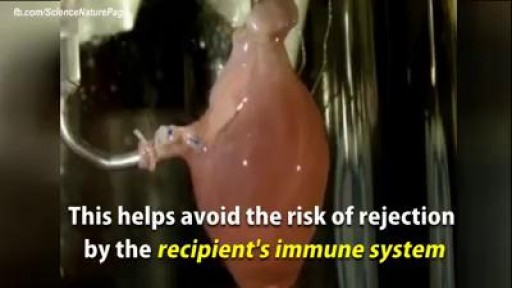

This technique could solve the organ shortage crisis.
Alendronate Sodium is used for the following diseases and conditions: osteoporosis, and osteogenesis imperfecta. Alendronate Sodium improves the patient's condition by performing the following functions: slowing down the bone loss and helps to keep the bones strong and less likely to break. Side effects are possible with Alendronate Sodium, but do not always occur. Some of the side effects may be rare but serious. Consult your doctor if you observe any side effects, especially if they do not go away. Alendronate Sodium may cause the following side-effects: stomach pain, constipation, diarrhea, gas, nausea, and jaw pain

Cervical Mucus
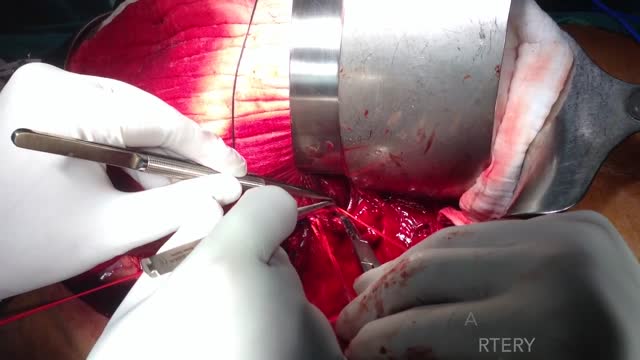
The increased risk of thrombosis in patients with active cancer has multiple causes. Acute thrombosis of the aorta is an exceedingly rare but potentially devastating complication in patients with cancer receiving cisplatin-based chemotherapy. Prompt diagnosis and definitive treatment are imperative to decrease morbidity and mortality. Early diagnosis is difficult because initial presentation is often nonspecific, requiring a high degree of clinical suspicion. We report 4 cases of acute thrombosis of the abdominal aorta in patients with cancer receiving cisplatin-based chemotherapy. We review the clinical aspects, recommended investigation, and treatment of this potentially fatal complication.
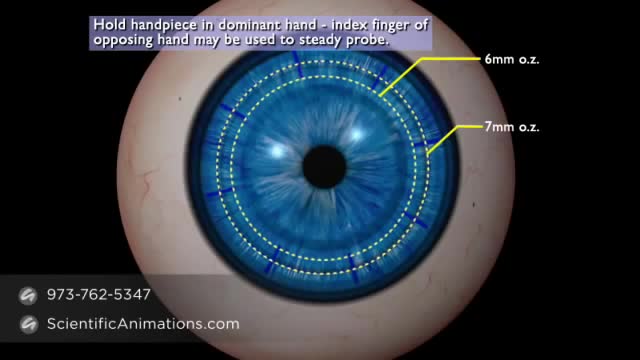
A cornea transplant, also called keratoplasty, is a surgical procedure to replace part of your cornea with corneal tissue from a donor. Your cornea is the transparent, dome-shaped surface of your eye that accounts for a large part of your eye's focusing power. A cornea transplant can restore vision, reduce pain and improve the appearance of a damaged or diseased cornea. Most cornea transplant procedures are successful. But cornea transplant carries a small risk of complications, such as rejection of the donor cornea.

Less than a decade ago, corneal transplantation took a big leap forward with the introduction of Descemet’s stripping endothelial keratoplasty (DSEK), which removes only Descemet’s membrane and the diseased endothelium and replaces them with a thin, tripartite donor graft of posterior corneal stroma, Descemet’s membrane, and healthy endothelium. Then came DSAEK, in which the donor graft is prepared with an automated microkeratome, allowing for easier donor preparation and reproducible results by surgeons and eye bank technicians.1 DSAEK has proved to have many advantages over penetrating keratoplasty (PK) and its endothelial predecessors (see “A Brief History of Endothelial Keratoplasty”). Now DSAEK is being compared with a newer technique, Descemet’s membrane endothelial keratoplasty (DMEK), which has emerged as a promising alternative—grafting only Descemet’s membrane and endothelium, allowing for a pure anatomical replacement of only what was removed and the possibility of even better vision with quicker healing.1 Although indications for these procedures are similar, each has unique benefits and drawbacks. Five cornea surgeons offer their perspectives on the procedures and their thoughts on whether it may be time to move to the newer surgery.
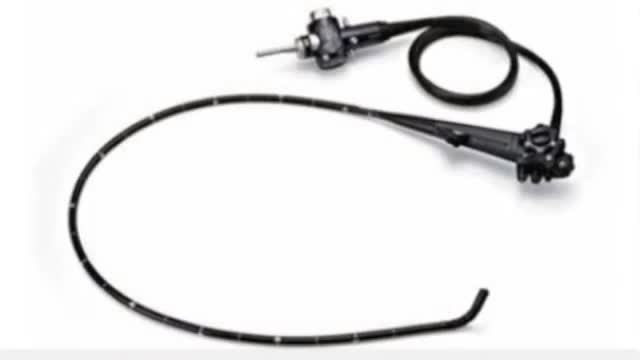
Peptic ulcers are open sores that develop on the inside lining of your stomach and the upper portion of your small intestine. The most common symptom of a peptic ulcer is stomach pain. Peptic ulcers include: Gastric ulcers that occur on the inside of the stomach Duodenal ulcers that occur on the inside of the upper portion of your small intestine (duodenum) The most common causes of peptic ulcers are infection with the bacterium Helicobacter pylori (H. pylori) and long-term use of aspirin and certain other painkillers, such as ibuprofen (Advil, Motrin, others) and naproxen sodium (Aleve, Anaprox, others). Stress and spicy foods do not cause peptic ulcers. However, they can make your symptoms worse.

HOW BABY GROWS IN THE WOMB DURING PREGNANCY
To treat pregnancy acne, start with self-care: Wash problem areas with a gentle cleanser. Twice a day, use your hands to wash your face with a mild soap and warm water. ... Shampoo regularly. ... Don't pick or squeeze blemishes. ... Avoid irritants. ... Watch what touches your skin.
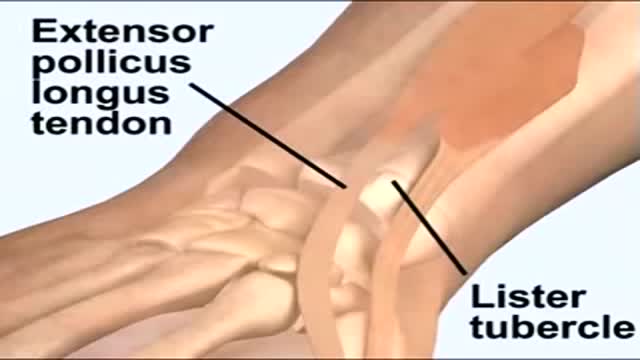
A needle is inserted into a joint for two main indications: aspiration of fluid (arthrocentesis) for diagnosis or for relief of pressure, or injection of medications. In practical terms, most injections into joints consist of a glucocorticoid, a local anesthetic, or a combination of the two. Occasionally saline is injected into the joint to diagnose a joint injury. This topic will review the basic technique of inserting a needle into a joint and the main indications for intraarticular steroid injections. The same techniques apply for injection of the less commonly used hyaluronate viscosupplementation agents into knees, hips, and perhaps shoulders.
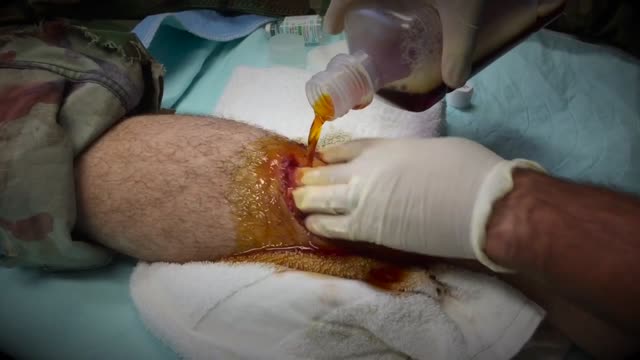
Chainsaw Accident! Lacerations, Cysts, Blackheads & Surgerys

Watch that video of a Model's Leg and Butt Cosmetic Implants Exploded Inside Her
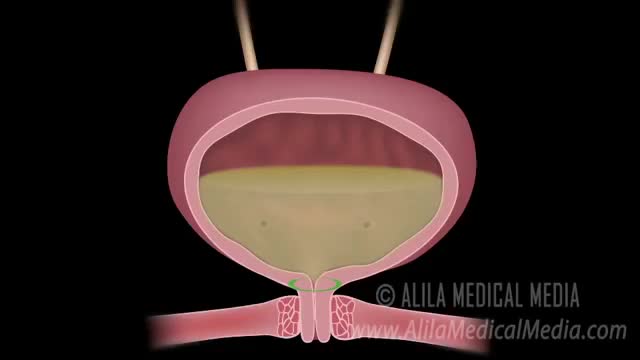
Urinary incontinence is the unintentional loss of urine. Stress incontinence happens when physical movement or activity — such as coughing, sneezing, running or heavy lifting — puts pressure (stress) on your bladder. Stress incontinence is not related to psychological stress. Stress incontinence differs from urge incontinence, which is the unintentional loss of urine caused by the bladder muscle contracting, usually associated with a sense of urgency. Stress incontinence is much more common in women than men. If you have stress incontinence, you may feel embarrassed, isolate yourself, or limit your work and social life, especially exercise and leisure activities. With treatment, you'll likely be able to manage stress incontinence and improve your overall well-being.
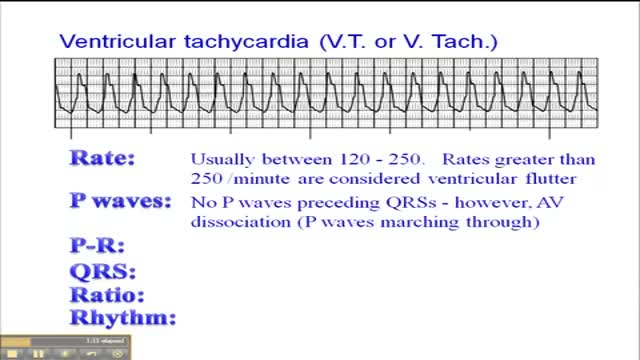
Ventricular tachycardia is a type of heart rhythm disorder (arrhythmia) in which the lower chambers of your heart (ventricles) beat very quickly because of a problem in your heart's electrical system. In ventricular tachycardia, your heart may not be able to pump enough blood to your body and lungs because the chambers are beating so fast that they don't have time to properly fill. Ventricular tachycardia may be brief — lasting for just seconds and often not causing symptoms — or it can last for much longer, and you can develop symptoms such as dizziness or lightheadedness, or you can even pass out. This condition usually occurs in people with other heart conditions, such as coronary artery disease, cardiomyopathy and some types of valvular heart disease. Ventricular tachycardia may lead to a condition in which your lower heart chambers quiver (ventricular fibrillation), which may cause your heart to stop (sudden cardiac arrest) and lead to death if not treated immediately. Ventricular tachycardia can also cause your heart to stop, especially if the heart is beating very quickly, if it's lasting for a long period, and if you have an underlying heart condition.
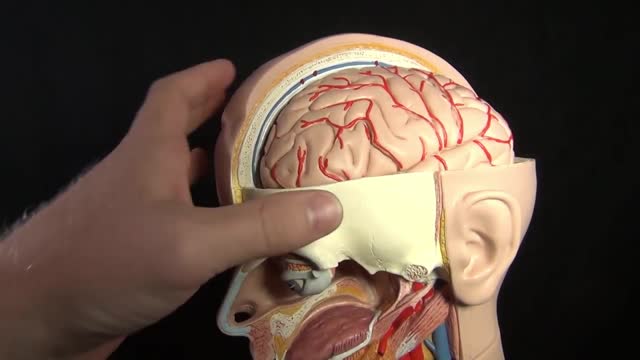
Intracranial pressure (ICP) is the pressure inside the skull and thus in the brain tissue and cerebrospinal fluid (CSF). ICP is measured in millimeters of mercury (mmHg) and, at rest, is normally 7–15 mmHg for a supine adult.
Pleurisy is a condition in which the pleura — a membrane consisting of a layer of tissue that lines the inner side of the chest cavity and a layer of tissue that surrounds the lungs — becomes inflamed. Also called pleuritis, pleurisy causes sharp chest pain (pleuritic pain) that worsens during breathing. A variety of underlying conditions can cause pleurisy. Treatment of pleurisy involves pain control and treating the underlying condition.
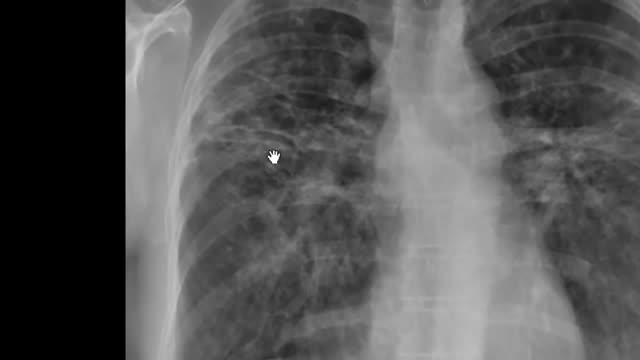
Pulmonary fibrosis is a lung disease that occurs when lung tissue becomes damaged and scarred. This thickened, stiff tissue makes it more difficult for your lungs to work properly. As pulmonary fibrosis worsens, you become progressively more short of breath. The scarring associated with pulmonary fibrosis can be caused by a multitude of factors. But in most cases, doctors can't pinpoint what's causing the problem. When a cause can't be found, the condition is termed idiopathic pulmonary fibrosis. The lung damage caused by pulmonary fibrosis can't be repaired, but medications and therapies can sometimes help ease symptoms and improve quality of life. For some people, a lung transplant might be appropriate.
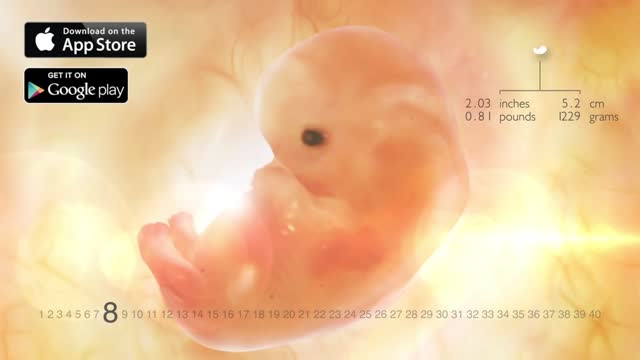
Looking for a week-by-week guide to pregnancy? You're in luck! We've got loads of expert-approved info about each week and trimester, including what's up with your growing baby and what changes to expect for yourself. You'll find stunning fetal development videos, thousands of articles, and helpful tools like our Due Date Calculator and Baby Names Finder. Meet other parents-to-be in our online community, and get all of this and more in our free pregnancy app. Dive in, and congratulations!
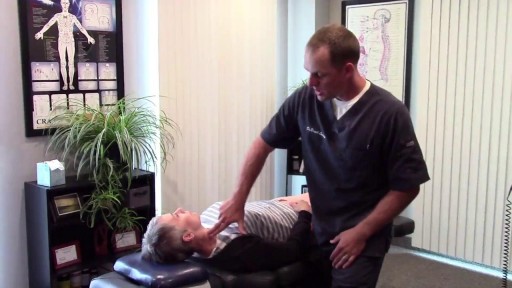
Wisdom teeth extractions can rear their ugly head later in life. This is a video of a patient with neck pain and neck weakness. When we stimulated the nerve fibers in the area of the extracted teeth there was an immediate improvement in her ability to control her neck muscles.
