
Top videoer
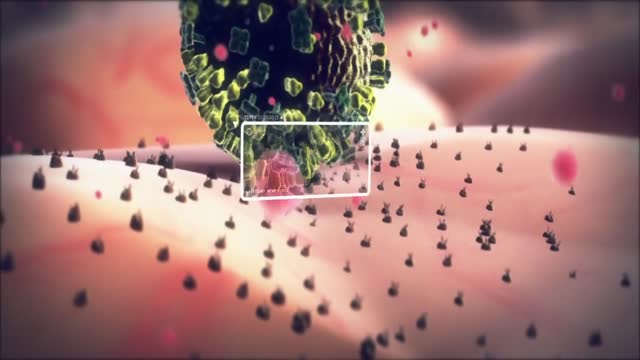

Influenza is a viral infection that attacks your respiratory system — your nose, throat and lungs. Influenza, commonly called the flu, is not the same as stomach "flu" viruses that cause diarrhea and vomiting. For most people, influenza resolves on its own. But sometimes, influenza and its complications can be deadly. People at higher risk of developing flu complications include: Young children under 5, and especially those under 2 years Adults older than 65 Residents of nursing homes and other long-term care facilities Pregnant women and women up to two weeks postpartum People with weakened immune systems People who have chronic illnesses, such as asthma, heart disease, kidney disease and diabetes People who are very obese, with a body mass index (BMI) of 40 or higher Your best defense against influenza is to receive an annual vaccination.
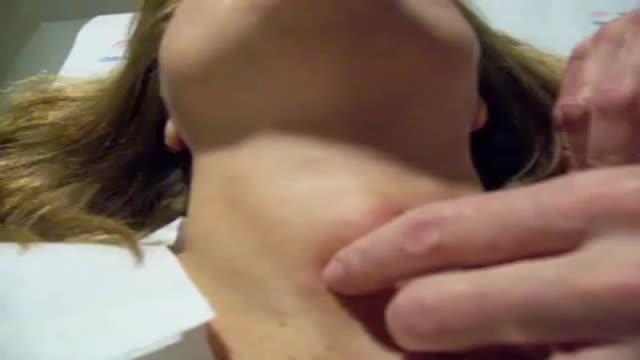
A thyroid biopsy is a procedure in which a small sample of tissue is removed from the thyroid gland and looked at under a microscope for cancer, infection, or other thyroid problems. The thyroid gland is found in front of the windpipe (trachea), just below the voice box (larynx). A sample of thyroid tissue can be taken by: Fine-needle biopsy. Your doctor puts a thin needle through the skin and into the thyroid gland. Many thyroid specialists like to use a needle biopsy method rather than surgery. Open biopsy. Your doctor makes a cut (incision) through the skin to see the thyroid gland. This method is done when other tests have not found the cause of your symptoms. Core needle biopsy. Your doctor inserts a needle with a special tip and removes a sample of tissue about the size of a grain of rice.
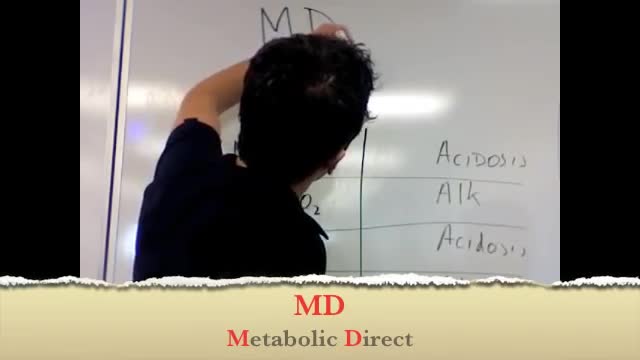
Here's a quick simple way to determine if a pH disturbance is respiratory or metabolic.

This video shows Prof Dan Reinstein, MD MA(Cantab) FRCSC DABO FRCOphth FEBO performing a ReLEx SMILE keyhole LASIK procedure using the latest surgical instrument that he helped to develop (Malosa MMSU1297 - Reinstein Lenticule Separator: http://www.malosa.com/en/reinstein-le...). This instrument enables the procedure to be performed with one instrument, through one 2mm incision, using only one sweep per plane, and taking about 30 seconds to separate and withdraw the lenticule, improving day 1 uncorrected vision over other lenticule extraction techniques that require more corneal manipulation.
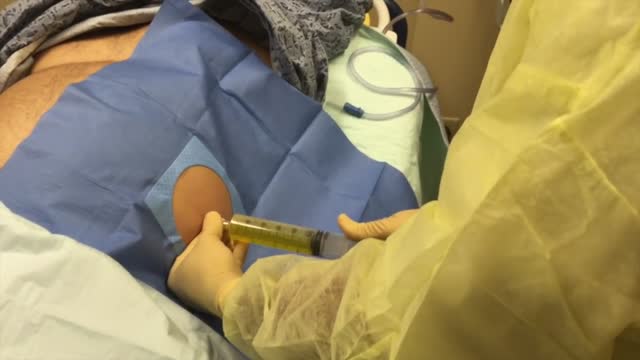
Paracentesis is a procedure to take out fluid that has collected in the belly (peritoneal fluid). This fluid buildup is called ascites . Ascites may be caused by infection, inflammation, an injury, or other conditions, such as cirrhosis or cancer. The fluid is taken out using a long, thin needle put through the belly.
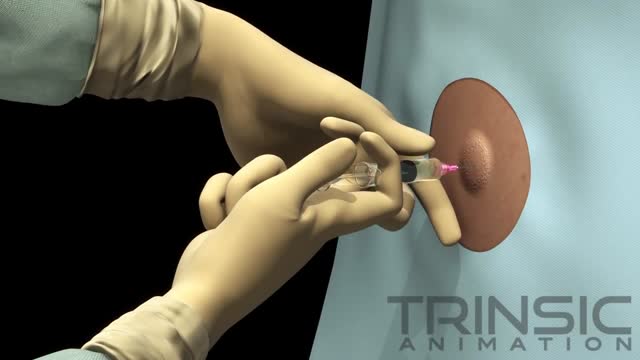
Thoracentesis (THOR-ah-sen-TE-sis) is a procedure to remove excess fluid in the space between the lungs and the chest wall. This space is called the pleural space. Normally, the pleural space is filled with a small amount of fluid—about 4 teaspoons full.
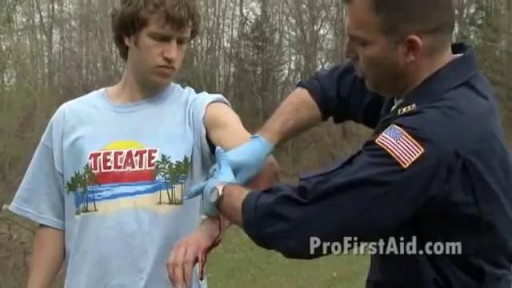
Watch that video to learn how to stop arterial bleeding
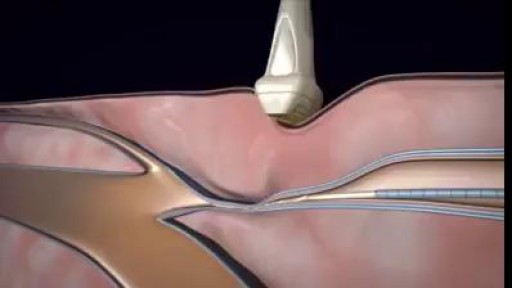
3D animation video of Varicose Veins Sclerotherapy Treatment

How to obtain a blood sample

A salivary gland stone -- also called salivary duct stone -- is a calcified structure that may form inside a salivary gland or duct. It can block the flow of saliva into the mouth. The majority of stones affect the submandibular glands located at the floor of the mouth.

Diabetic retinopathy is classified into two types: Non-proliferative diabetic retinopathy (NPDR) is the early stage of the disease in which symptoms will be mild or nonexistent. In NPDR, the blood vessels in the retina are weakened. ... Proliferative diabetic retinopathy (PDR) is the more advanced form of the disease.
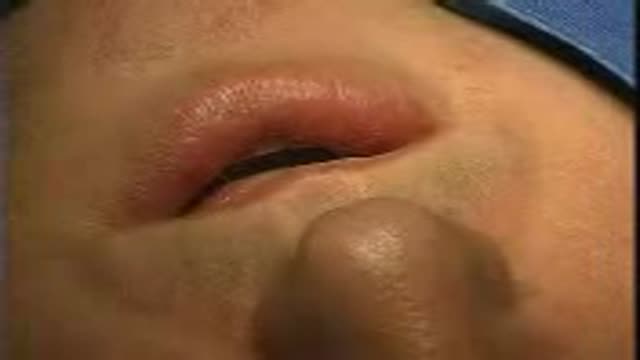
This video show a lip biopsy on a 38-year old man with a swelling of the lower lip of unknown origin.
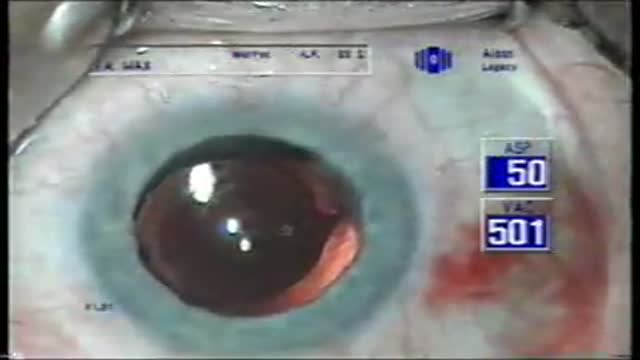
Implantation of a hard intraocular lens
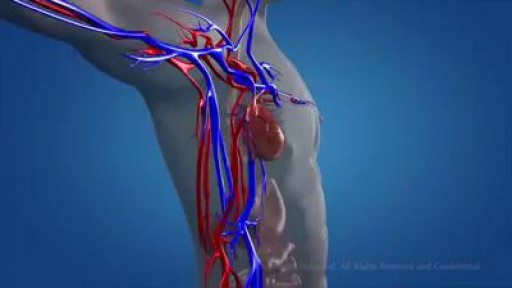
The circulatory system consists of three independent systems that work together: the heart (cardiovascular), lungs (pulmonary), and arteries, veins, coronary and portal vessels (systemic). The system is responsible for the flow of blood, nutrients, oxygen and other gases, and as well as hormones to and from cells
The video describes ECG findings in case of pulmonary Embolism. Please see website for discalimer.
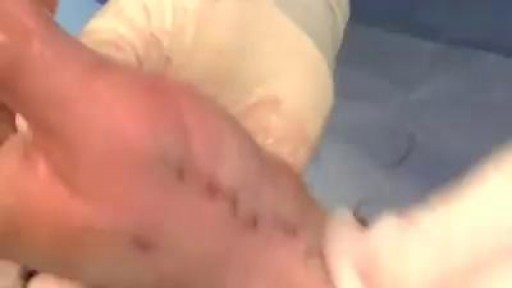
Intraarticular Fracture Base of Thumb Metacarpal Surgery

Multiple sclerosis causes many different symptoms, including vision loss, pain, fatigue, and impaired coordination. The symptoms, severity, and duration can vary from person to person. Some people may be symptom free most of their lives, while others can have severe chronic symptoms that never go away. Physical therapy and medications that suppress the immune system can help with symptoms and slow disease progression.
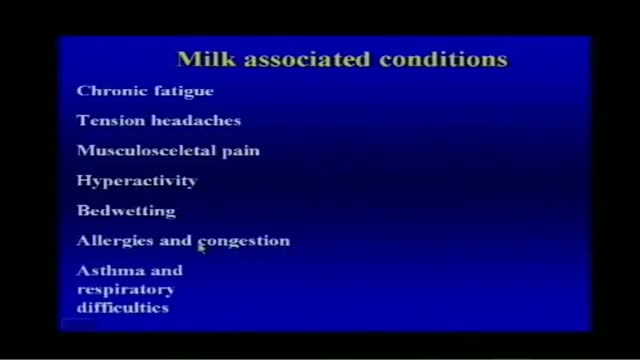
Milk Associated Diseases Information
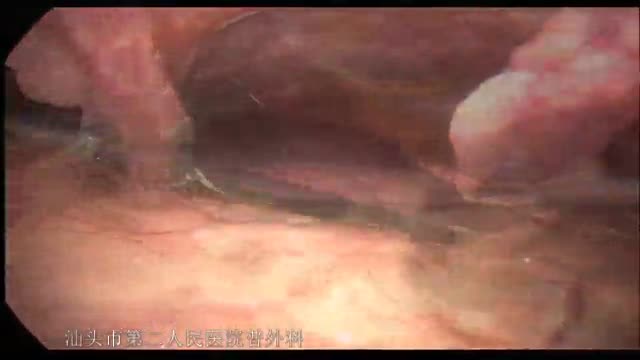
腹腔镜十二指肠穿孔修补术2

Improve blood sugar control in adults with type 2 diabetes through new advancements
