Top videos

Nasal Foreign Body Removal
Nasal Foreign Body Removal samer kareem 1,777 Views • 2 years ago

Nasal Foreign Body Removal Techniques

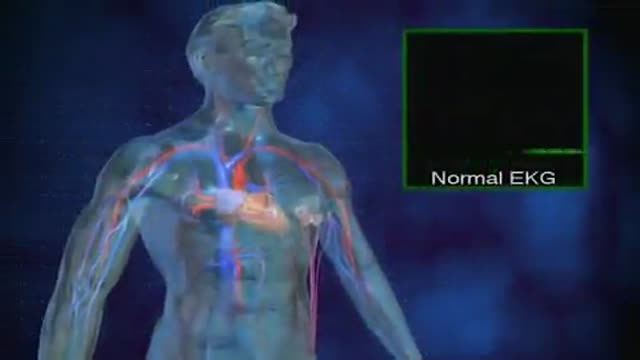
EKG/ECG Interpretation Explained Clearly
EKG/ECG Interpretation Explained Clearly samer kareem 1,595 Views • 2 years ago

EKG/ECG Interpretation Explained Clearly

The Neuron
The Neuron samer kareem 8,975 Views • 2 years ago

A neuron, also known as a neurone (British spelling) and nerve cell, is an electrically excitable cell that receives, processes, and transmits information through electrical and chemical signals. These signals between neurons occur via specialized connections called synapses.

labioplasty
labioplasty samer kareem 7,534 Views • 2 years ago

Labiaplasty is a surgical procedure that removes excess tissue from the labia, either for cosmetic reasons or for women who feel physical discomfort due to enlarged or elongated labia

Open Splenectomy Surgery
Open Splenectomy Surgery samer kareem 11,068 Views • 2 years ago

The spleen is one of the most frequently injured intraperitoneal organs, and management of splenic injuries may require splenectomy .. The spleen is an wedge-shaped organ that lies in relation to the ninth and 11th ribs, located in the left hypochondrium and partly in the epigastrium; thus, it is situated between the fundus of the stomach and the diaphragm. The spleen is highly vascular and reddish purple; its size and weight are variable. A normal spleen is not palpable. The spleen's key function is the removal of old red blood cells "RBCs", defective circulating cells, and circulating bacteria. In addition, the spleen helps maintain normal erythrocyte morphology by processing immature erythrocytes, removing their nuclei, and changing the shape of the cellular membrane. Other functions of the spleen include the removal of nuclear remnants of RBCs, denatured hemoglobin, and iron granules ..

Removal of drain tube after spleen surgery
Removal of drain tube after spleen surgery samer kareem 10,202 Views • 2 years ago

Removal of drain tube after spleen surgery

Happy New Year 2017
Happy New Year 2017 samer kareem 4,606 Views • 2 years ago

Happy New Year 2017

Craniectomy
Craniectomy samer kareem 63,524 Views • 2 years ago

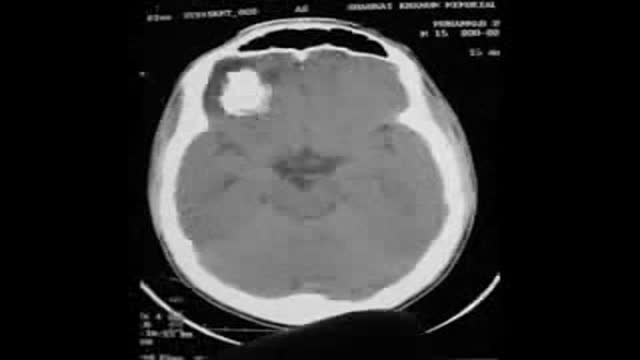
A craniotomy is the surgical removal of part of the bone from the skull to expose the brain. Specialized tools are used to remove the section of bone called the bone flap. The bone flap is temporarily removed, then replaced after the brain surgery has been done.

Rhinoplasty
Rhinoplasty samer kareem 28,087 Views • 2 years ago

A nose job (technically called a rhinoplasty) is surgery on the nose to change its shape or improve its function. It can be done for medical reasons -- such as to correct breathing problems related to the nose or correct disfigurement resulting from trauma or birth defects. It can also be done for cosmetic reasons, which will change the nose's shape and appearance.

How to Stop Bleeding
How to Stop Bleeding samer kareem 7,552 Views • 2 years ago

Injuries and certain medical conditions can result in bleeding. This can trigger anxiety and fear, but bleeding has a healing purpose. Still, you need to understand how to treat common bleeding incidents, like cuts and bloody noses, as well as when to seek medical help.

Colposcopy
Colposcopy samer kareem 3,194 Views • 2 years ago

Colposcopy (kol-POS-kuh-pee) is a procedure to closely examine your cervix, vagina and vulva for signs of disease. During colposcopy, your doctor uses a special instrument called a colposcope. Your doctor may recommend colposcopy if your Pap test has shown abnormal results.

What is Anemia?
What is Anemia? samer kareem 4,447 Views • 2 years ago

Anemia is a medical condition in which the red blood cell count or hemoglobin is less than normal. The normal level of hemoglobin is generally different in males and females. For men, a normal hemoglobin level is typically defined as a level of more than 13.5 gram/100 ml, and in women as hemoglobin of more than 12.0 gram/100 ml. These definitions may vary slightly depending on the source and the laboratory reference used. Continue Reading

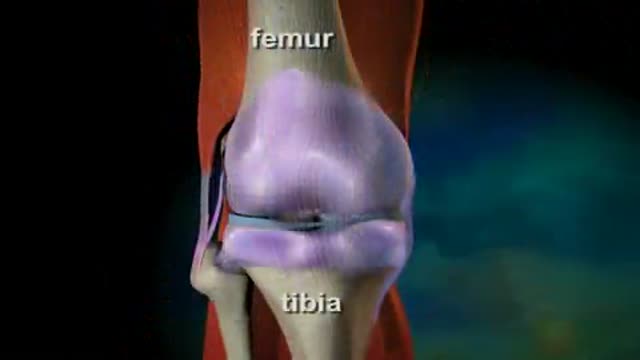
Meniscus Tear repair
Meniscus Tear repair samer kareem 5,948 Views • 2 years ago

A torn meniscus is one of the most common knee injuries. Any activity that causes you to forcefully twist or rotate your knee, especially when putting your full weight on it, can lead to a torn meniscus. Each of your knees has two menisci — C-shaped pieces of cartilage that act like a cushion between your shinbone and your thighbone. A torn meniscus causes pain, swelling and stiffness. You also might feel a block to knee motion and have trouble extending your knee fully. Conservative treatment — such as rest, ice and medication — is sometimes enough to relieve the pain of a torn meniscus and give the injury time to heal on its own. In other cases, however, a torn meniscus requires surgical repair.

Ultrasound Guided Lumbar Puncture Procedure
Ultrasound Guided Lumbar Puncture Procedure samer kareem 3,060 Views • 2 years ago

Lumbar puncture is a common emergency department procedure used to obtain information about the cerebrospinal fluid (CSF) for diagnostic and, less commonly, therapeutic reasons. Please refer to the full article on Lumbar Puncture for more details on the lumbar puncture procedure. Lumbar puncture is typically performed via “blind” surface landmark guidance. The surface landmark technique is reported to be successful in a high percentage of attempted lumbar punctures; however, surface landmark identification of underlying structures has been shown to be accurate only 30% of the time. [1] Unsuccessful identification of proper landmarks often leads to increased difficulty in obtaining CSF, if the procedure is performed, and a higher rate of complications. Few alternatives are available in these cases. If available, fluoroscopic-guided lumbar puncture may be performed. If not, treatment is sometimes initiated empirically without obtaining CSF. Disadvantages of using fluoroscopy include limited availability or necessary transport of the patient outside of the emergency department, inability to directly visualize the spinal canal, and inherent radiation exposure

Parasite Cleanse
Parasite Cleanse samer kareem 2,918 Views • 2 years ago

Do you need to do a parasite cleanse? Probably... I hear from so many people suffering from symptoms of parasites - severe bloating, cramps, constipation, diarrhoea. A big problem in getting to the bottom of this (pun intended) is that the mainstream medical system really doesn’t have a way to detect, or even find most forms of parasites. They give you drugs for the symptoms, but essentially the parasites aren’t removed during that process.

treat Flat Nipples
treat Flat Nipples samer kareem 2,559 Views • 2 years ago

The Lansinoh Latch Assist has been designed to extend inverted nipples - watch this video to see how.?

Big Warts Removal On Finger
Big Warts Removal On Finger samer kareem 20,108 Views • 2 years ago

Use warm water and sea salt. Soak the wart for 10 to 15 minutes in warm salt water to moisten the skin. Scrape the dead skin layers off the wart using a nail file, pumice stone or mild sandpaper. You could also use your fingers, but wash them thoroughly before and after, as warts can easily spread.

Needle Decompression of the Chest
Needle Decompression of the Chest samer kareem 11,838 Views • 2 years ago

Tension pneumothorax describes the progressive accumulation of air in the pleural cavity (normally a potential space) through a defect in the visceral pleura. This leads to positive pressure being maintained and increasing throughout the respiratory cycle causing vessels within the mediastinum to be compressed with catastrophic consequences if left untreated. Clinical signs include hypoxia, hypotension, tachycardia, reduced breath sounds and hyper resonance ipsilaterally, with tracheal deviation (away from the affected side) and distended neck veins being late clinical signs.

SightMD Lasik Procedure
SightMD Lasik Procedure Mohamed Ibrahim 30 Views • 2 years ago

Let SightMD walk you through an entire LASIK procedure.

Find out more about LASIK at SightMD - https://www.sightmd.com/eye-do....ctor/lasik-eye-surge

Interventional Stroke
Interventional Stroke samer kareem 5,336 Views • 2 years ago

The management of acute ischemic stroke has advanced greatly over the past 2 decades. New interventions, including intravenous and endovascular treatment strategies, have evolved to recanalize arteries and salvage the ischemic brain. The evolution of interventional approaches to the treatment of acute stroke has been prompted by the limitations of intravenous therapy and intended to extend the treatment window, improve recanalization rates, and subsequently long-term clinical outcomes. The major techniques that have defined the current field of interventional acute stroke management and the relevant past and current data, and ongoing clinical trials on interventional stroke therapy will be reviewed. New issues, such as futile recanalization, and time to microcatheter, will also be discussed.

Showing 171 out of 378