
शीर्ष वीडियो


Restrictive cardiomyopathy (RCM) is a rare form of heart muscle disease that is characterized by restrictive filling of the ventricles. In this disease the contractile function (squeeze) of the heart and wall thicknesses are usually normal, but the relaxation or filling phase of the heart is very abnormal.
Many mothers notice engorgement, or over-filled breasts, at some point or the other while they are breast-feeding their baby and it is especially common to experience when your baby is first born and you are just starting to make milk. So for the first couple of days you make colostrum and then 2-5 days later your milk comes in. And sometimes it comes in with a vengeance and all of the sudden you feel really full and it can be painful and very uncomfortable. Normally your milk supply will even out and start to work well with your babys demand, so it is kind of a supply and demand type of function, but until then, if you feel engorgement, there are a few things you can do to relieve it. If you are nursing your baby on demand this will usually help to self-regulate and most young babies want to eat every 2-3 hours and sometimes even every hour. So, basically, the more often your breasts are emptied the more relief you will feel. But on the same hand, the more you nurse the more milk your body will probably produce. This is why it is good to go off of your babys cues because then you will make what your baby needs and hopefully not much more. But if you are making more than your baby needs and you find that you are still full after feedings you will probably have to either manually express some milk or pump it off, so have a good pump available in case you need to, and if you don't, you can manually express the milk by gently massaging from the armpit down towards the nipple. And you can also try using heat prior to nursing your baby or pumping milk off and this will also help to relax things and help you to get the milk out. Take a warm shower and then feed your baby or use a warm compress.
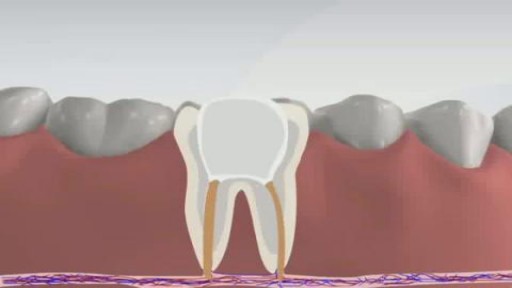
Root canal is a treatment to repair and save a badly damaged or infected tooth instead of removing it. The term "root canal" comes from cleaning of the canals inside a tooth's root. Decades ago, root canal treatments often were painful. With dental advances and local anesthetics, most people have little if any pain with a root canal. In fact, it's probably more painful living with a decayed tooth. Root canal alternatives include extracting the damaged tooth and replacing it with a dental implant, bridge or removable partial denture.

ADA IS ABSOLUTE CLUELESS AND IGNORANT CONCERNING MOST INNOVATIVE DENTAL IMPLANT METHOD
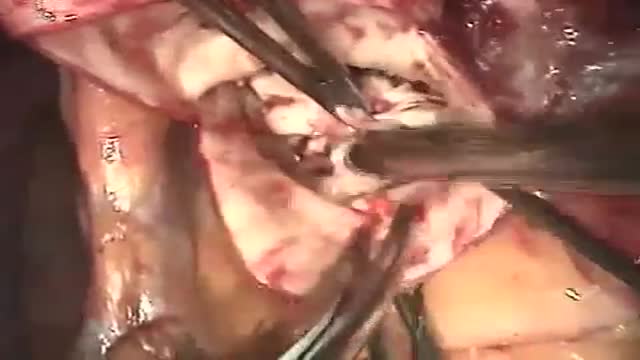
The human heart has four main valves—two on the left and two on the right. The aortic valve is one of the main valves on the left side of the heart. It is the outflow valve for the left ventricle, which means that it is the valve between the heart and the body. The aortic valve opens when the left ventricle squeezes to pump out blood, and closes in between heart beats to keep blood from going backward into the heart.
How ESC therapy treats diseases?
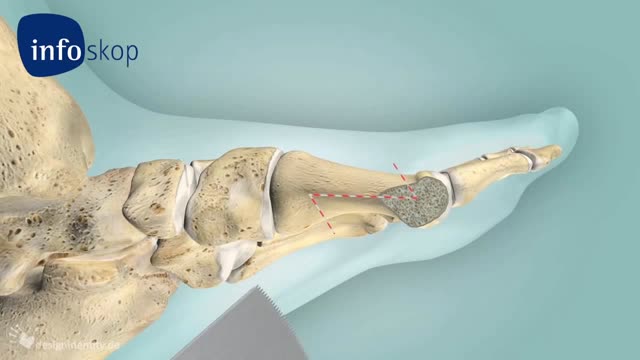
Knee osteotomy is commonly used to realign your knee structure if you have arthritic damage on only one side of your knee. The goal is to shift your body weight off the damaged area to the other side of your knee, where the cartilage is still healthy. When surgeons remove a wedge of your shinbone from underneath the healthy side of your knee, the shinbone and thighbone can bend away from the damaged cartilage. Imagine the hinges on a door. When the door is shut, the hinges are flush against the wall. As the door swings open, one side of the door remains pressed against the wall as space opens up on the other side. Removing just a small wedge of bone can "swing" your knee open, pressing the healthy tissue together as space opens up between the thighbone and shinbone on the damaged side so that the arthritic surfaces do not rub against each other. Osteotomy is also used as an alternative treatment to total knee replacement in younger and active patients. Because prosthetic knees may wear out over time, an osteotomy procedure can enable younger, active osteoarthritis patients to continue using the healthy portion of their knee. The procedure can delay the need for a total knee replacement for up to ten years.
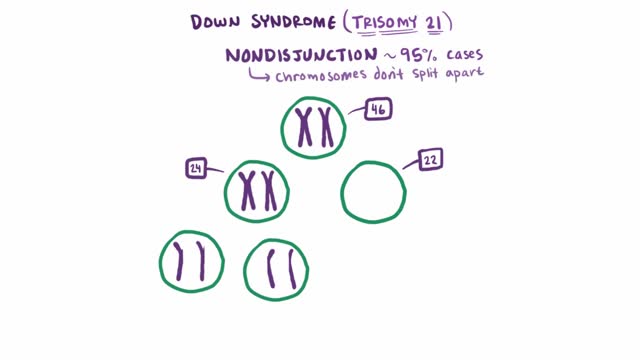
The term trisomy is used to describe the presence of three chromosomes, rather than the usual matched pair of chromosomes. For example, if a baby is born with three #21 chromosomes, rather than the usual pair, then the baby would be said to have "trisomy 21." Trisomy 21 is also known as Down syndrome. Other examples of trisomy include syndromes like trisomy 18 and trisomy 13. Again, trisomy 18 or trisomy 13 simply means the child has three copies of the #18 chromosome (or of the #13 chromosome) present in each cell of the body, rather than the usual pair.
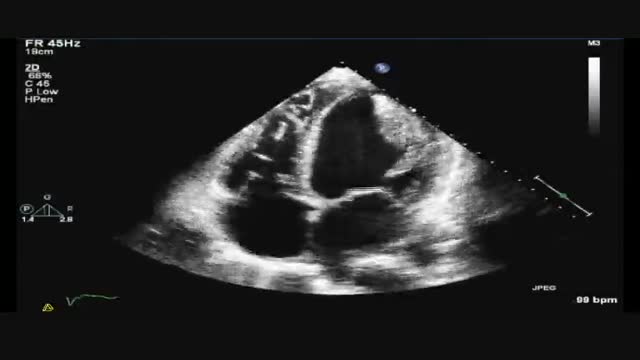
TEE of a giant LV thrombus as well as other, smaller thrombi in a 51 year-old man who came to the hospital complaining of chest pain. He was subsequently taken to the cardiac cath lab and was found to have clean coronary arteries. Surprisingly, he was clinically stable despite his TEE findings and an EF of 20%.
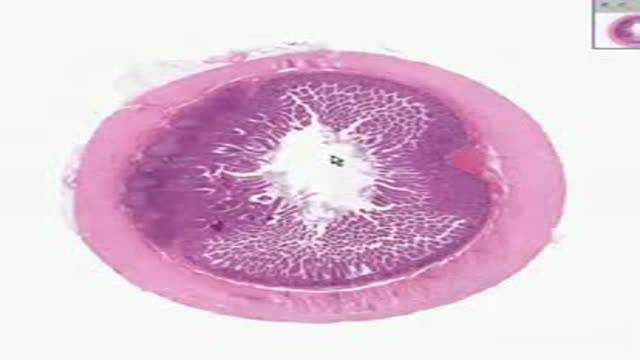
Histology of Small Intestine Illeum
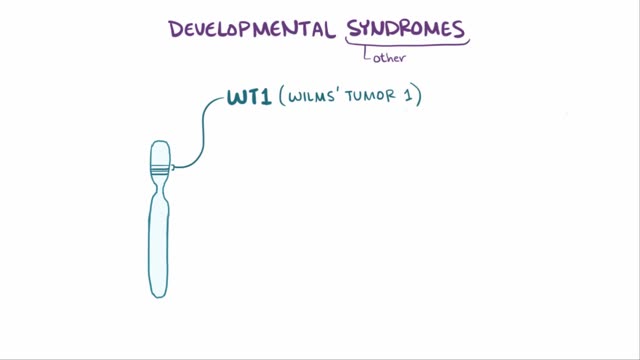
Wilms tumor, also known as nephroblastoma, is a cancer of the kidneys that typically occurs in children, rarely in adults. It is named after Dr. Max Wilms, the German surgeon (1867–1918) who first described it. Approximately 500 cases are diagnosed in the U.S. annually.
The cornea occupies the front center part of the outer wall of the eye. It is made of collagen fibers in a very special arrangement so that the cornea is clear. One looks through the cornea to see the iris and pupil. The cornea bends light coming into the eye so that it is focused on the retina.
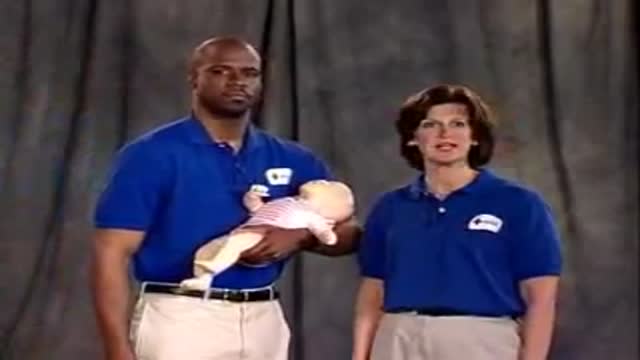
Choking Infant
Thai Medical Vacation is the largest medical tours facilitator in Asia. Solutions include Plastic surgery in Thailand,Knee and hip replacements in Thailand,fertility solutions Thailand,cancer therapy in Thailand and stem cell treatments in Thailand, dentistry abroad,and traditional chinese and thai treatments along with orthopedic joint treatments in Thailand
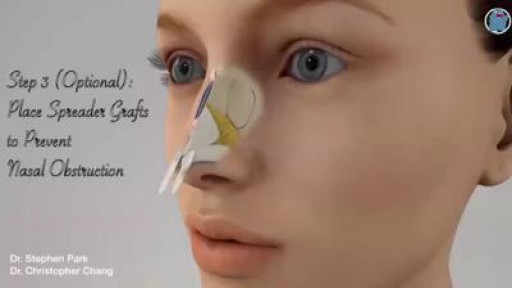
Removing a hump from the bridge is one of the most common things people want addressed during their rhinoplasty. Nasal humps can range widely in size. Perhaps you just have a small bump that you'd like refined? Or maybe you have more of a Roman Nose with a more dominating, distracting large hump? No matter if your nose falls on one of these extremes or somewhere in between rhinoplasty surgery can be used to reshape your nose. For anyone considering having a rhinoplasty to reduce a hump on their bridge there are several things to consider before having surgery.
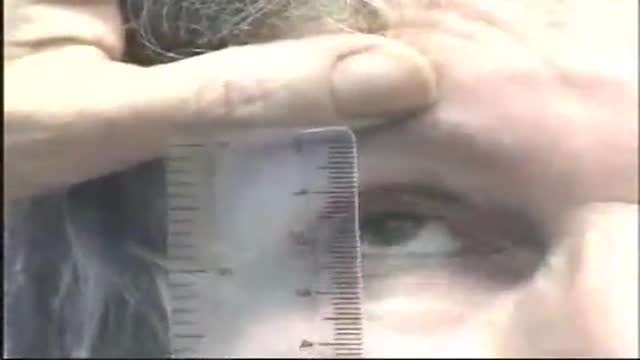
Abnormal Eye Lid Positions Ptosis

Brain Concussion Recognize and Report
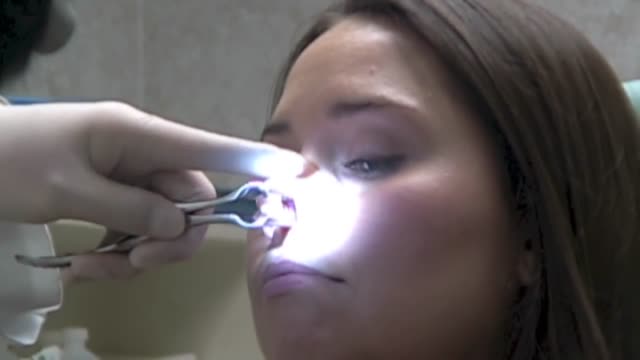
Nose cautery can help prevent nosebleeds. The doctor uses a chemical swab or an electric current to cauterize the inside of the nose. This seals the blood vessels and builds scar tissue to help prevent more bleeding. For this procedure, your doctor made the inside of your nose numb.
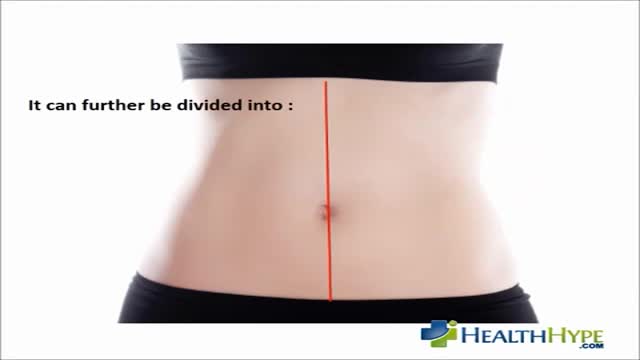
Dehydration can also be a cause of kidney stones. A common symptom is having a lower left abdominal pain, fever, nausea, groin pain and vomiting. Lower left abdominal pain can also be caused by an infection of the kidneys. It usually begins with the bladder and then reaches out to the kidneys.
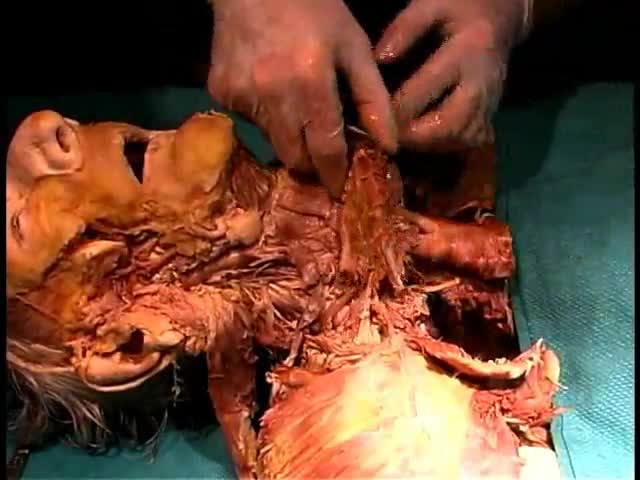
Anatomy of The Deep Neck
