
- Physical Examination
- Surgical Examination
- Ophthalmology
- Clinical Skills
- Orthopedics
- Surgery Videos
- Laparoscopy
- Pediatrics
- Funny Videos
- Cardiothoracic Surgery
- Nursing Videos
- Plastic Surgery
- Otorhinolaryngology
- Histology and Histopathology
- Neurosurgery
- Dermatology
- Pediatric Surgery
- Urology
- Dentistry
- Oncology and Cancers
- Anatomy Videos
- Health and Fitness
- Radiology
- Anaesthesia
- Physical Therapy
- Pharmacology
- Interventional Radiology
- Cardiology
- Endocrinology
- Gynecology
- Emergency Medicine
- Psychiatry and Psychology
- Childbirth Videos
- General Medical Videos
- Nephrology
- Physiology
- Diet and Food Health
- Diabetes Mellitus
- Neurology
- Women Health
- Osteoporosis
- Gastroenterology
- Pulmonology
- Hematology
- Rheumatology
- Toxicology
- Nuclear Medicine
- Infectious Diseases
- Vascular Disease
- Reproductive Health
- Burns and Wound Healing
- Other
Top videos
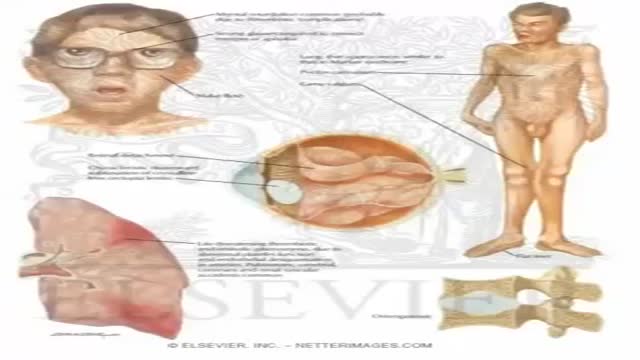

Homocystinuria is an inherited disorder that affects the metabolism of the amino acid methionine. Amino acids are the building blocks of life. Causes Homocystinuria is inherited in families as an autosomal recessive trait. This means that the child must inherit a non-working copy of the gene from each parent to be seriously affected. Homocystinuria has several features in common with Marfan syndrome, including joint and eye changes. Symptoms Newborn infants appear healthy. Early symptoms, if present, are not obvious. Symptoms may occur as mildly delayed development or failure to thrive. Increasing visual problems may lead to diagnosis of this condition. Other symptoms include: Chest deformities (pectus carinatum, pectus excavatum) Flush across the cheeks High arches of the feet Intellectual disability Knock knees Long limbs Mental disorders Nearsightedness Spidery fingers (arachnodactyly) Tall, thin build

Vasculitis is an inflammation of your blood vessels. It causes changes in the walls of blood vessels, including thickening, weakening, narrowing and scarring. These changes restrict blood flow, resulting in organ and tissue damage. There are many types of vasculitis, and most of them are rare. Vasculitis might affect just one organ, such as your skin, or it may involve several. The condition can be short term (acute) or long lasting (chronic). Vasculitis can affect anyone, though some types are more common among certain groups. Depending on the type you have, you may improve without treatment. Or you will need medications to control the inflammation and prevent flare-ups. Vasculitis is also known as angiitis and arteritis.

Genetic surfactant dysfunction disorders are caused by mutations in genes encoding proteins critical for the production and function of pulmonary surfactant. These rare disorders may produce familial or sporadic lung disease, with clinical presentations ranging from neonatal respiratory failure to childhood- or adult-onset interstitial lung disease. An overview of these disorders is presented in the table.. Interstitial lung diseases in children until recently were categorized by their histologic appearance in a manner similar to that used for adult forms of interstitial lung disease (ILD). In children, the lung histopathology findings associated with desquamative interstitial pneumonitis (DIP) are now known to often result from genetic mechanisms that disrupt normal surfactant production and metabolism. By contrast, DIP in adults is considered to represent a distinct type of ILD, which is strongly associated with cigarette smoking and carries a relatively favorable prognosis [1]. These genetic disorders also result in histopathologic patterns other than DIP, including findings of pulmonary alveolar proteinosis and chronic pneumonitis of infancy. An understanding of the pathogenesis of these disorders permits a mechanistic classification as genetic surfactant dysfunction disorders instead of their previous classification based upon histologic appearance.

Acute leukaemias develop quickly and need to be treated urgently. Chronic leukaemias develop more slowly and may not need to be treated for some time after they are diagnosed. Some forms may not require any treatment. Myeloid leukaemias arise from myeloid stem cells and are characterised by the accumulation of cancerous myeloid cells. Lymphoid leukaemias arise from lymphoid stem cells and are characterised by the accumulation of cancerous lymphoid cells such as B-cells and T-cells. The most common forms of leukaemia in adults are CLL and AML, and the common cancer in children is ALL. Leukaemia is more common in adults.
Back pain during pregnancy is a common complaint — and it's no wonder. You're gaining weight, your center of gravity changes, and your hormones are relaxing the ligaments in the joints of your pelvis. Often, however, you can prevent or ease back pain during pregnancy. Consider seven ways to give pregnancy back pain the boot. 1. Practice good posture As your baby grows, your center of gravity shifts forward. To avoid falling forward, you might compensate by leaning back — which can strain the muscles in your lower back and contribute to back pain during pregnancy. Keep these principles of good posture in mind: Stand up straight and tall. Hold your chest high. Keep your shoulders back and relaxed. Don't lock your knees. When you stand, use a comfortably wide stance for the best support. If you must stand for long periods of time, rest one foot on a low step stool — and take time for frequent breaks. Good posture also means sitting with care. Choose a chair that supports your back, or place a small pillow behind your lower back. 2. Get the right gear Wear low-heeled — not flat — shoes with good arch support. Avoid high heels, which can further shift your balance forward and cause you to fall. You might also consider wearing a maternity support belt. Although research on the effectiveness of maternity support belts is limited, some women find the additional support helpful. 3. Lift properly When lifting a small object, squat down and lift with your legs. Don't bend at the waist or lift with your back. It's also important to know your limits. Ask for help if you need it. 4. Sleep on your side Sleep on your side, not your back. Keep one or both knees bent. Consider using pregnancy or support pillows between your bent knees, under your abdomen and behind your back.

According to a recent study, most people's sexual romps last about 1.5–7 minutes. But, as Dr. Harry Fisch writes in his new book The New Naked: The Ultimate Sex Education for Grownups, 45 percent of men come in two minutes or less, leaving their female partners orgasmless. Here are some ways to extend your man's sexual stamina, and more likely have an orgasm yourself in the process.

To relieve mild menstrual cramps: Take aspirin or another pain reliever, such as Tylenol (acetaminophen), Motrin (ibuprofen) or Aleve (naproxen). (Note: For best relief, you must take these medications as soon as bleeding or cramping starts.) Place a heating pad or hot water bottle on your lower back or abdomen

Polycystic ovary syndrome (PCOS) is a common endocrine system disorder among women of reproductive age. Women with PCOS may have enlarged ovaries that contain small collections of fluid — called follicles — located in each ovary as seen during an ultrasound exam. Infrequent or prolonged menstrual periods, excess hair growth, acne, and obesity can all occur in women with polycystic ovary syndrome. In adolescents, infrequent or absent menstruation may raise suspicion for the condition. The exact cause of polycystic ovary syndrome is unknown. Early diagnosis and treatment along with weight loss may reduce the risk of long-term complications, such as type 2 diabetes and heart disease.

20 Reasons to Drink Lemon Water

Best Position for Getting Pregnant Fast

How to Get Pregnant Quickly With Irregular Periods
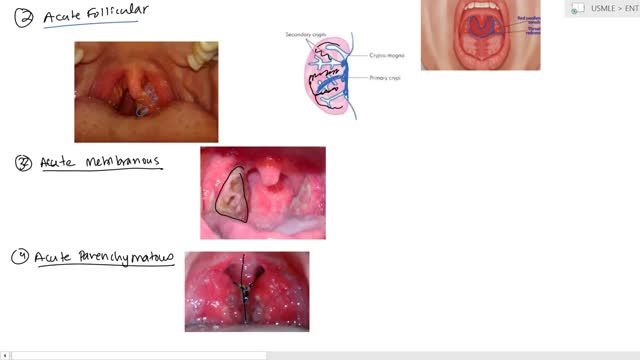
Tonsillitis is inflammation of the tonsils, two oval-shaped pads of tissue at the back of the throat — one tonsil on each side. Signs and symptoms of tonsillitis include swollen tonsils, sore throat, difficulty swallowing and tender lymph nodes on the sides of the neck. Most cases of tonsillitis are caused by infection with a common virus, but bacterial infections also may cause tonsillitis. Because appropriate treatment for tonsillitis depends on the cause, it's important to get a prompt and accurate diagnosis. Surgery to remove tonsils, once a common procedure to treat tonsillitis, is usually performed only when bacterial tonsillitis occurs frequently, doesn't respond to other treatments or causes serious complications.

Giant cell arteritis is an inflammation of the lining of your arteries. Most often, it affects the arteries in your head, especially those in your temples. For this reason, giant cell arteritis is sometimes called temporal arteritis. Giant cell arteritis frequently causes headaches, scalp tenderness, jaw pain and vision problems. If left untreated, it can lead to stroke or blindness. Prompt treatment with corticosteroid medications usually relieves symptoms of giant cell arteritis and may prevent loss of vision. You'll likely begin to feel better within days of starting treatment. But even with treatment, relapses are common. You'll need to visit your doctor regularly for checkups and treatment of any side effects from taking corticosteroids.

Giant cell arteritis is an inflammation of the lining of arteries. Most often, it affects the arteries in your head, especially those in your temples. For this reason, giant cell arteritis is sometimes called temporal arteritis. Giant cell arteritis frequently causes headaches, scalp tenderness, jaw pain and vision problems. If left untreated, it can lead to stroke or blindness. Prompt treatment with corticosteroid medications usually relieves symptoms of giant cell arteritis and may prevent loss of vision. You'll likely begin to feel better within days of starting treatment. But even with treatment, relapses are common. You'll need to visit your doctor regularly for checkups and treatment of any side effects from taking corticosteroids.
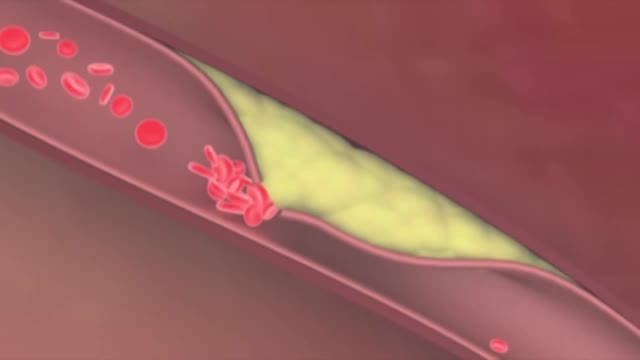
Use lifestyle changes Quit smokingQuit smoking. Avoid secondhand smoke too. ... Exercise . There are lots of ways that exercise boosts your heart health. ... Eat a heart-healthy diet . The way you eat can help you control your cholesterol and blood pressure. Stay at a healthy weight .
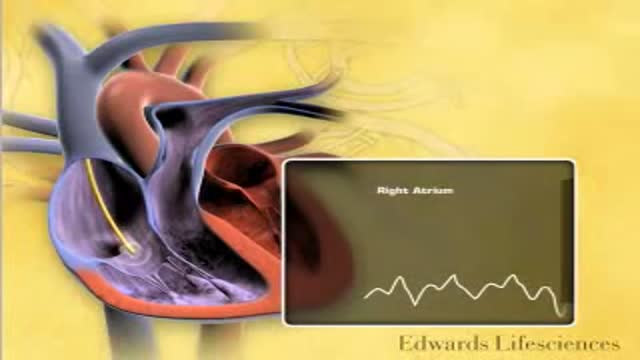
Pulmonary capillary wedge pressure (PCWP) provides an indirect estimate of left atrial pressure (LAP). Although left ventricular pressure can be directly measured by placing a catheter within the left ventricle, it is not feasible to advance this catheter back into the left atrium. LAP can be measured by placing a special catheter into the right atrium then punching through the interatrial septum; however, for obvious reasons, this is not usually performed because of damage to the septum and potential harm to the patient.

Acute kidney failure occurs when your kidneys suddenly become unable to filter waste products from your blood. When your kidneys lose their filtering ability, dangerous levels of wastes may accumulate, and your blood's chemical makeup may get out of balance. Acute kidney failure — also called acute renal failure or acute kidney injury — develops rapidly over a few hours or a few days. Acute kidney failure is most common in people who are already hospitalized, particularly in critically ill people who need intensive care. Acute kidney failure can be fatal and requires intensive treatment. However, acute kidney failure may be reversible. If you're otherwise in good health, you may recover normal or nearly normal kidney function.

A dream is a succession of images, ideas, emotions, and sensations that usually occurs involuntarily in the mind during certain stages of sleep.[1] The content and purpose of dreams are not definitively understood, though they have been a topic of scientific speculation, as well as a subject of philosophical and religious interest, throughout recorded history. The scientific study of dreams is called oneirology
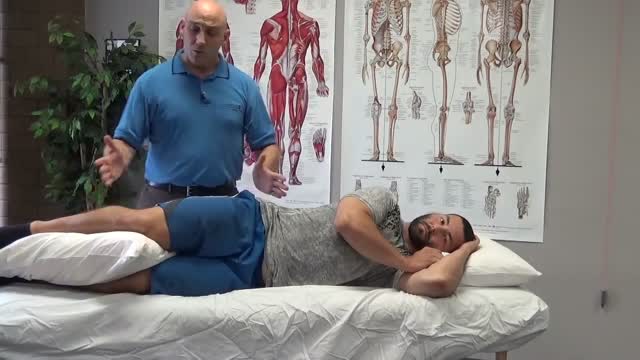
It flattens the natural curve of the spine, which can lead to lower back pain. Sleeping all night with the head turned to one side also strains the neck. If this is the preferred position, try using pillows to gradually train the body to sleep on one side
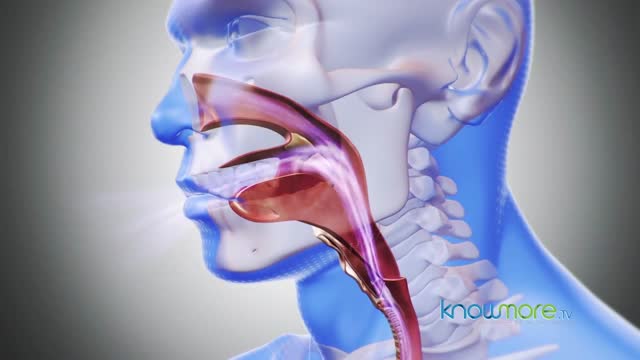
Sleep apnea is a potentially serious sleep disorder in which breathing repeatedly stops and starts. You may have sleep apnea if you snore loudly, and you feel tired even after a full night's sleep. The main types of sleep apnea are: Obstructive sleep apnea, the more common form that occurs when throat muscles relax. Central sleep apnea, which occurs when your brain doesn't send proper signals to the muscles that control breathing. Complex sleep apnea syndrome, also known as treatment-emergent central sleep apnea, occurs when someone has both obstructive sleep apnea and central sleep apnea. If you think you might have any form of sleep apnea, see your doctor. Treatment can ease your symptoms and may help prevent heart problems and other complications.
