
Mga nangungunang video


This video: The veins around your anus tend to stretch under pressure and may bulge or swell. Swollen veins (hemorrhoids) can develop from an increase in pressure in the lower rectum. Factors that might cause increased pressure include: Straining during bowel movements.

Dieta Alcalina Pdf, Tabla De Alimentos Alcalinos, Beneficios Del Agua Alcalina, Frutas Para Adelgazar--- http://dieta-alcalina-alimentos.good-info.co --- Eligiendo los alimentos para una Dieta Alcalina Es en verdad fácil adoptar una dieta rica en alimentos alcalinos. La mayoría de las frutas y vegetales son excelentes opciones. La carne roja no es una buena opción, pero puedes añadir abundante proteínas a tus comidas usando los productos a base de soya, deliciosos frijoles, legumbres y tanto nueces como almendras. Deberías eliminar las grasas insalubres de tu dieta, pero puedes consumir las grasas buenas como el aceite de oliva, canola y la semilla de lino. El alto contenido graso de los productos lácteos debe ser evitado, pero puedes beber leche de soya y de cabra. Los quesos hechos de leche de soya y cabra también serían buenas opciones. Remplaza las calorías vacías de la soda con delicioso té frío de hierbas, té verde y agua con limón. El café debe ser evitado, pero puedes tomar bebidas calientes a base de té o té verde. Remplaza la pasta con cereales integrales como arroz integral (salvaje), mijo y quinoa. Cuando endulces tus comidas, usa productos naturales como stevia y miel. Como puedes ver, tendrás muchas opciones nutritivas, todas deliciosas y altas en propiedades alcalinizantes. Descubre como la dieta alcalina funciona & por qué los alimentos alcalinos son altamente recomendados para tu salud. Haz clic aquí http://dieta-alcalina-alimentos.good-info.co
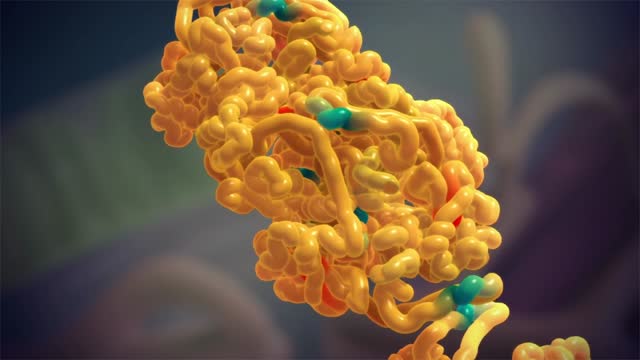
Amyloidosis (am-uh-loi-DO-sis) is a rare disease that occurs when a substance called amyloid builds up in your organs. Amyloid is an abnormal protein that is usually produced in your bone marrow and can be deposited in any tissue or organ. Amyloidosis can affect different organs in different people, and there are different types of amyloid. Amyloidosis frequently affects the heart, kidneys, liver, spleen, nervous system and digestive tract. Severe amyloidosis can lead to life-threatening organ failure.
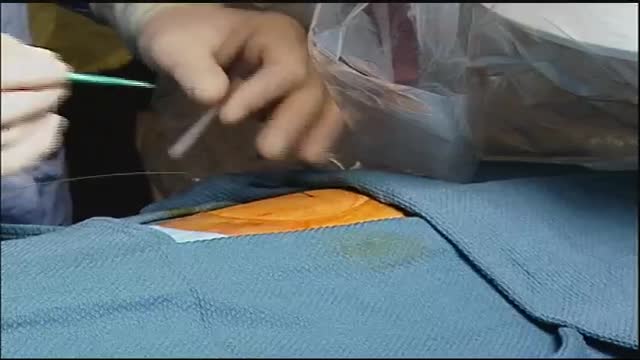
An intra-aortic balloon pump (IABP) is a mechanical device that helps the heart pump blood. This device is inserted into the aorta, the body's largest artery. It is a long, thin tube called a catheter with a balloon on the end of it. If you are hospitalized, your doctor may insert an IABP.

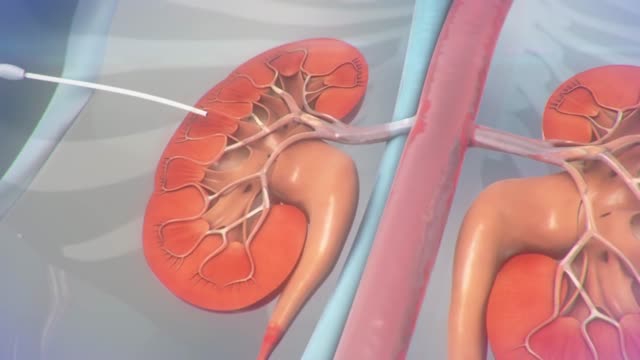
A ureteral stent is a thin, hollow tube that is placed in the ureter to help urine pass from the kidney into the bladder. Ureters are the tubes that connect the kidneys to the bladder. You may have a small amount of blood in your urine for 1 to 3 days after the procedure.
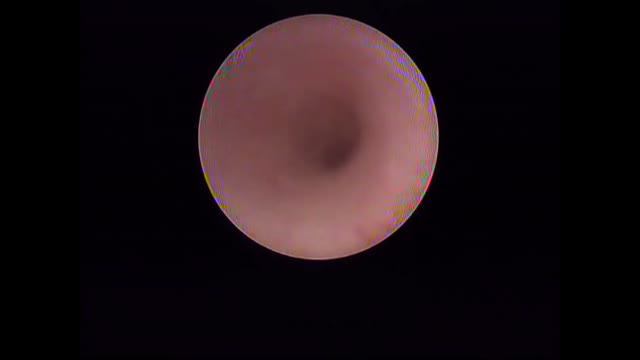
To remove a smaller stone in your ureter or kidney, your doctor may pass a thin lighted tube (ureteroscope) equipped with a camera through your urethra and bladder to your ureter. Once the stone is located, special tools can snare the stone or break it into pieces that will pass in your urine.

Things Every New Mother Needs to Know
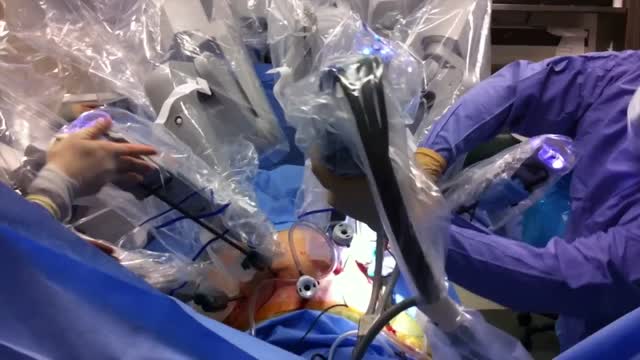
Endometrial cancer is a type of cancer that begins in the uterus. The uterus is the hollow, pear-shaped pelvic organ in women where fetal development occurs. Endometrial cancer begins in the layer of cells that form the lining (endometrium) of the uterus. Endometrial cancer is sometimes called uterine cancer. Other types of cancer can form in the uterus, including uterine sarcoma, but they are much less common than endometrial cancer. Endometrial cancer is often detected at an early stage because it frequently produces abnormal vaginal bleeding, which prompts women to see their doctors. If endometrial cancer is discovered early, removing the uterus surgically often cures endometrial cancer.
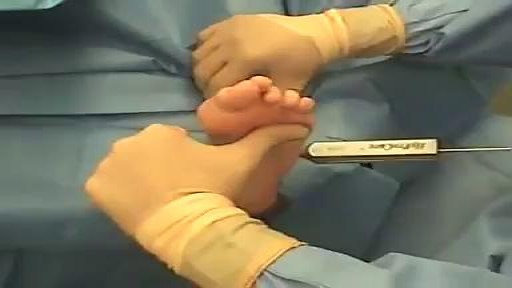
Aparthroereisis
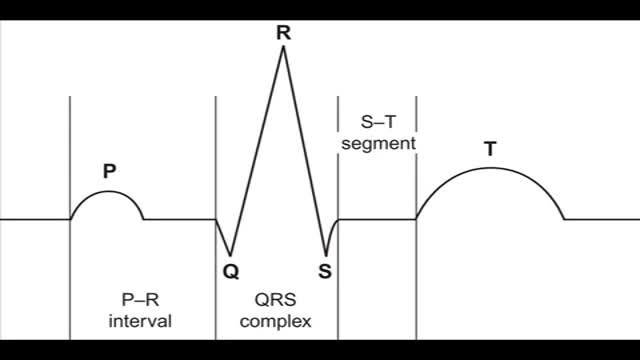
Reading the 12-lead ECG

Ankle fusion (arthrodesis) This is a surgical procedure which joins together the main bones of the ankle joint (the tibia and the talus). However, depending on the technique your surgeon will use, occasionally the fibula will be included in this procedure. The two joint surfaces which generate the pain are removed.
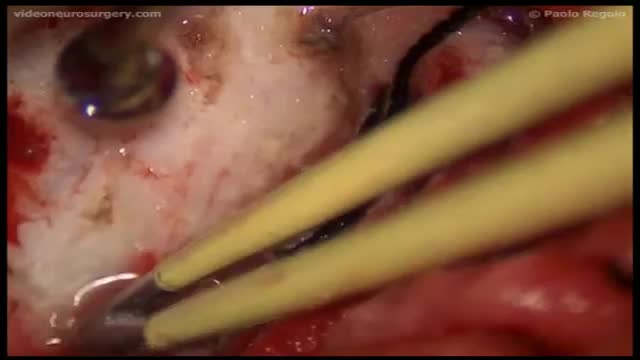
Chordoid meningioma, classified as atypical meningioma according to the World Health Organisation (WHO) classification, is a rare subtype, which represents only 0.5% of all meningiomas and is associated with a high incidence of recurrence. Multiple intracranial meningiomas are rare in non-neurofibromatosis patients. We present a female patient with both of these rare types of meningioma. The patient presented with two concurrent intracranial meningiomas, with one a meningotheliomatous subtype and the other a chordoid meningioma. Given the wide array of histological differential diagnoses in chordoid meningioma, immunohistochemistry has a significant role to play in differentiating them. Recurrence in chordoid meningioma can be generally predicted based on the extent of resection, the percentage of chordoid element, and proliferation indices.
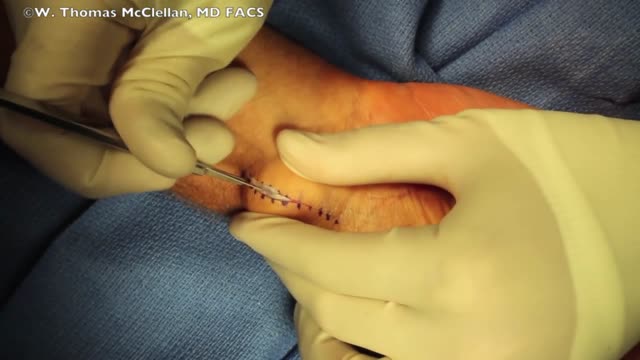
Ganglion cysts are the most common mass or lump in the hand. They are not cancerous and, in most cases, are harmless. They occur in various locations, but most frequently develop on the back of the wrist. These fluid-filled cysts can quickly appear, disappear, and change size.
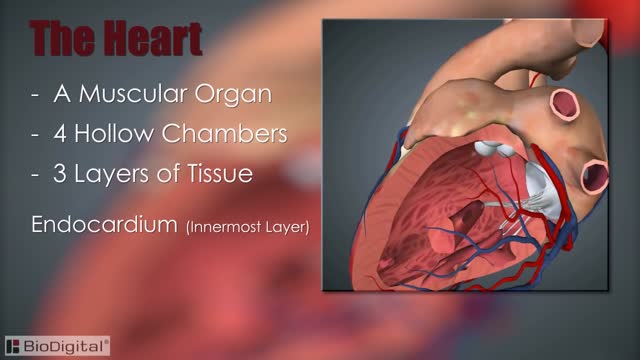
The heart, blood vessels, and blood are the parts that make up the circulatory system, which is defined as a closed system of blood vessels for the transport of gasses and nutrients. The heart is the key organ in the circulatory system. As a hollow, muscular pump, its main function is to propel blood throughout the body.
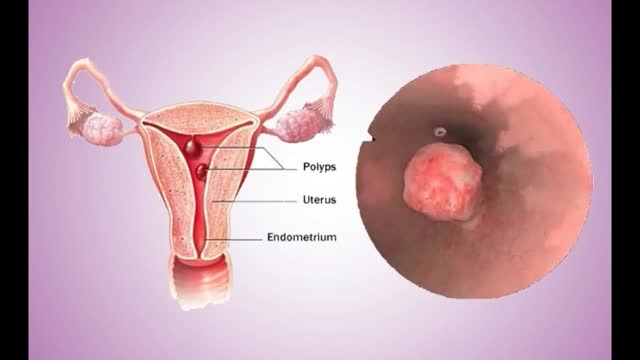
Uterine polyps are growths attached to the inner wall of the uterus that extend into the uterine cavity. Overgrowth of cells in the lining of the uterus (endometrium) leads to the formation of uterine polyps, also known as endometrial polyps. These polyps are usually noncancerous (benign), although some can be cancerous or can eventually turn into cancer (precancerous polyps). Uterine polyps range in size from a few millimeters — no larger than a sesame seed — to several centimeters — golf-ball-size or larger. They attach to the uterine wall by a large base or a thin stalk.

Life Before Birth - In the Womb
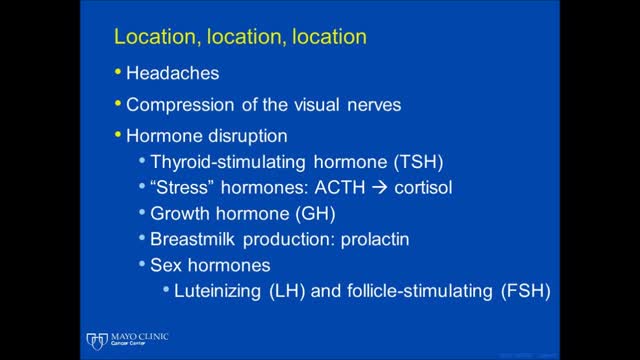
Multiple endocrine neoplasia is a group of disorders that affect the body's network of hormone-producing glands (the endocrine system). Hormones are chemical messengers that travel through the bloodstream and regulate the function of cells and tissues throughout the body. Multiple endocrine neoplasia typically involves tumors (neoplasia) in at least two endocrine glands; tumors can also develop in other organs and tissues. These growths can be noncancerous (benign) or cancerous (malignant). If the tumors become cancerous, the condition can be life-threatening.
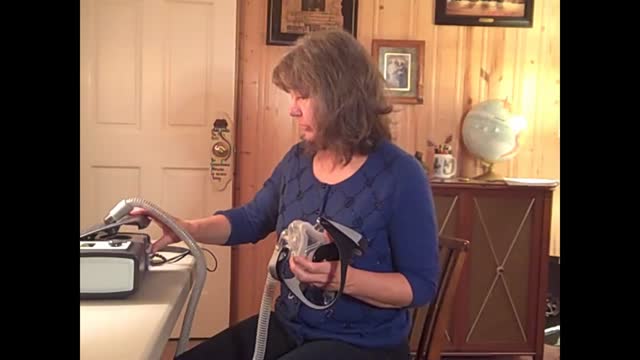
CPAP is a treatment that uses mild air pressure to keep your breathing airways open. It involves using a CPAP machine that includes a mask or other device that fits over your nose or your nose and mouth, straps to position the mask, a tube that connects the mask to the machine’s motor, and a motor that blows air into the tube. CPAP is used to treat sleep-related breathing disorders including sleep apnea. It also may be used to treat preterm infants who have underdeveloped lungs.
