
- Physical Examination
- Surgical Examination
- Ophthalmology
- Clinical Skills
- Orthopedics
- Surgery Videos
- Laparoscopy
- Pediatrics
- Funny Videos
- Cardiothoracic Surgery
- Nursing Videos
- Plastic Surgery
- Otorhinolaryngology
- Histology and Histopathology
- Neurosurgery
- Dermatology
- Pediatric Surgery
- Urology
- Dentistry
- Oncology and Cancers
- Anatomy Videos
- Health and Fitness
- Radiology
- Anaesthesia
- Physical Therapy
- Pharmacology
- Interventional Radiology
- Cardiology
- Endocrinology
- Gynecology
- Emergency Medicine
- Psychiatry and Psychology
- Childbirth Videos
- General Medical Videos
- Nephrology
- Physiology
- Diet and Food Health
- Diabetes Mellitus
- Neurology
- Women Health
- Osteoporosis
- Gastroenterology
- Pulmonology
- Hematology
- Rheumatology
- Toxicology
- Nuclear Medicine
- Infectious Diseases
- Vascular Disease
- Reproductive Health
- Burns and Wound Healing
- Other
Top videos


Each year in the United States, about 400 children and teens younger than age 20 are diagnosed. Osteosarcoma is the third most common cancer in teens, after lymphomas and brain tumors. It is extremely rare in children before age 5.
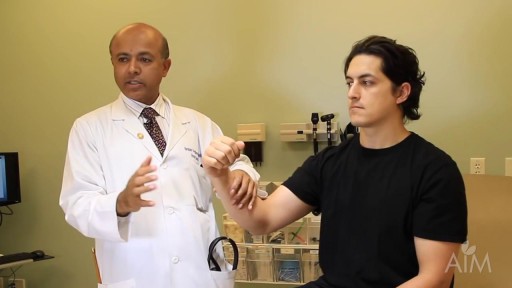
The principal signs of cerebellar dysfunction are the following: Ataxia: unsteadiness or incoordination of limbs, posture, and gait. A disorder of the control of force and timing of movements leading to abnormalities of speed, range, rhythm, starting, and stopping.
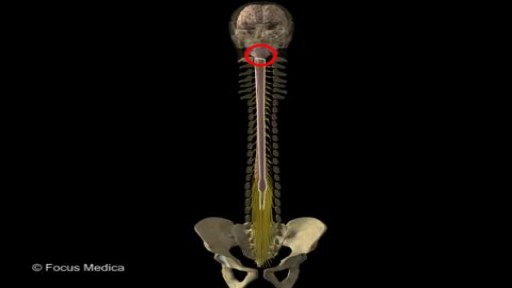
Back and Spinal cord Anatomy
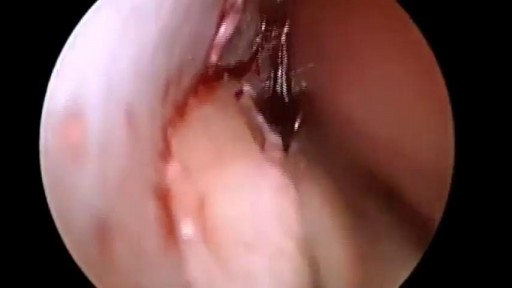
Repair Deviated Nasal Septum, Endoscopic Septoplasty, endoscopic surgery, Stapler repair of nasal septum, Dr B. Todd Schaeffer.
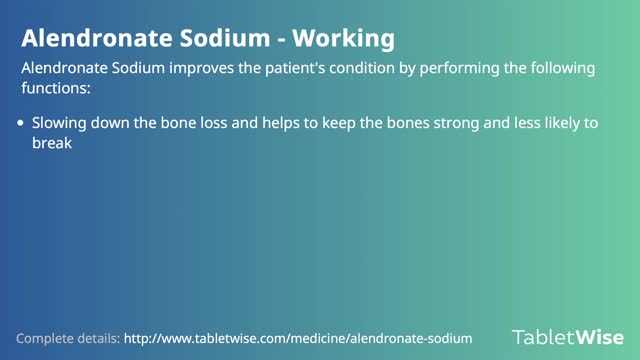
Alendronate Sodium is used for the following diseases and conditions: osteoporosis, and osteogenesis imperfecta. Alendronate Sodium improves the patient's condition by performing the following functions: slowing down the bone loss and helps to keep the bones strong and less likely to break. Side effects are possible with Alendronate Sodium, but do not always occur. Some of the side effects may be rare but serious. Consult your doctor if you observe any side effects, especially if they do not go away. Alendronate Sodium may cause the following side-effects: stomach pain, constipation, diarrhea, gas, nausea, and jaw pain

Anemia is a medical condition in which the red blood cell count or hemoglobin is less than normal. The normal level of hemoglobin is generally different in males and females. For men, a normal hemoglobin level is typically defined as a level of more than 13.5 gram/100 ml, and in women as hemoglobin of more than 12.0 gram/100 ml. These definitions may vary slightly depending on the source and the laboratory reference used. Continue Reading
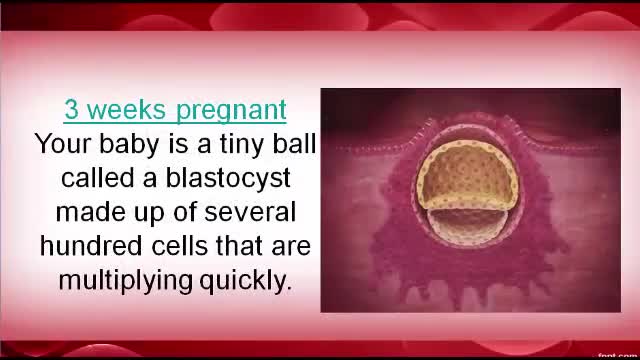
Pregnancy first Trimester
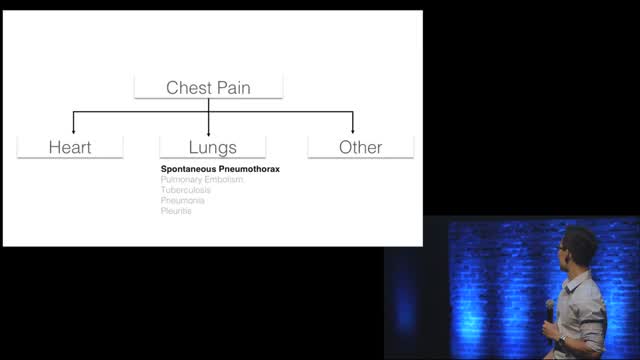
Chest pain is a frequent complaint of patients seeking urgent medical assistance, and accounts for an estimated 2-4 per cent of all A&E visits in the UK (Becker, 2000). Generally, acute chest pain should be considered cardiovascular in origin until proven otherwise and it is common in clinical practice to err on the conservative or ‘safe’ side when evaluating people with chest pain. Individuals with suspected ischaemic chest pain must be evaluated rapidly for several reasons: - Myocardial ischaemia, if prolonged and severe, can cause myocardial infarction (necrosis); - Treatment strategies that achieve myocardial salvage (thrombolytic therapy or primary coronary angioplasty) are available for patients with acute coronary syndromes and these treatments reduce morbidity and mortality;

This Unorthodox Procedure Makes Short People A Foot Taller
Superior vena cava syndrome (SVCS) is obstruction of blood flow through the superior vena cava (SVC). It is a medical emergency and most often manifests in patients with a malignant disease process within the thorax. A patient with SVCS requires immediate diagnostic evaluation and therapy.

Rheum is made up of mucus, skin cells, oils and dust. The rheum that comes from the eyes and forms eye boogers is called gound, which you may know as eye sand, eye gunk, sleep dust, sleep sand, sleep in your eyes, or eye shnooters. When you're awake, gound doesn't cause any problems.
The majority of epileptic seizures are controlled by medication, particularly anticonvulsant drugs. The type of treatment prescribed will depend on several factors, including the frequency and severity of the seizures and the person's age, overall health, and medical history. An accurate diagnosis of the type of epilepsy is also critical to choosing the best treatment. Drug Therapy Many drugs are available to treat epilepsy. Although generic drugs are safely used for most medications, anticonvulsants are one category where doctors proceed with caution. Most doctors prefer to use brand-name anticonvulsants, but realize that many insurance companies will not cover the cost. As a result, it is acceptable to start taking a generic anticonvulsant medication, but if the desired control is not achieved, the patient should be switched to the brand-name drug.
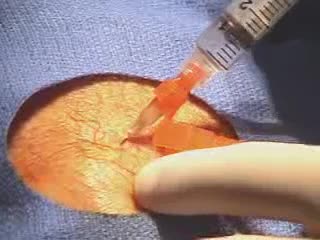
A video showing arthrocentesis of the knee from Harvard medical school
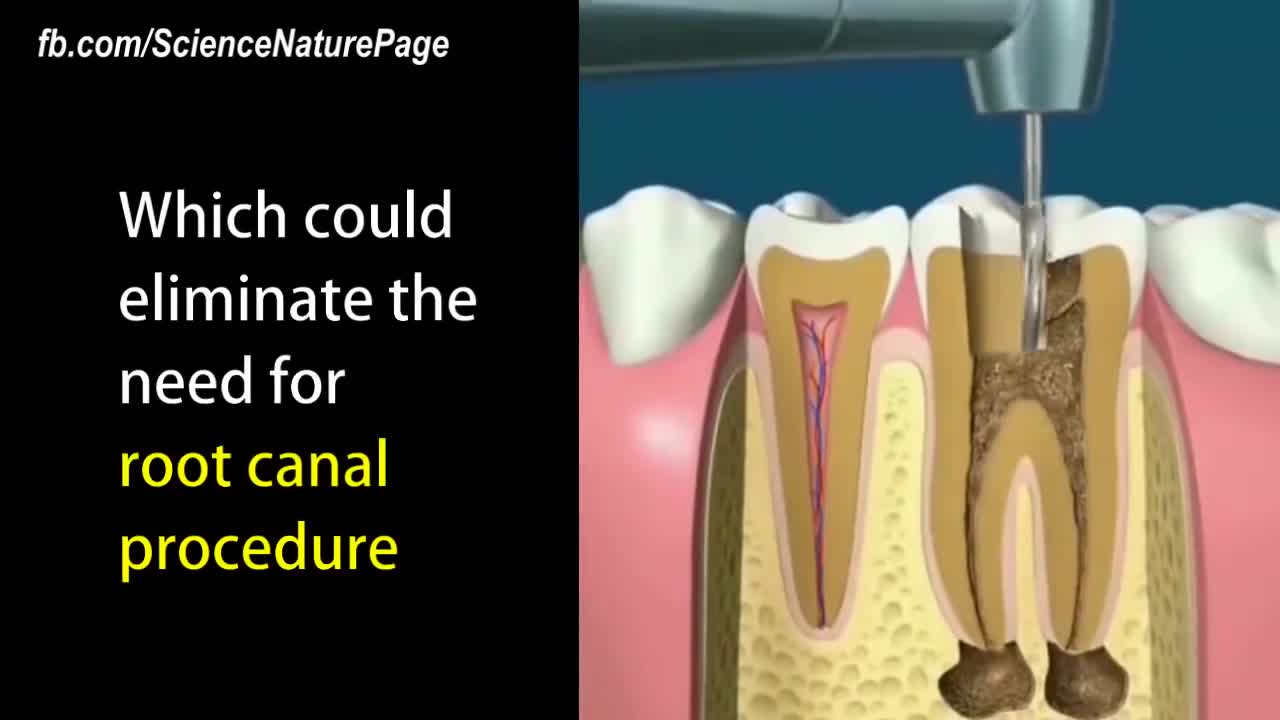
New dental fillings could allow your teeth to heal themselves.
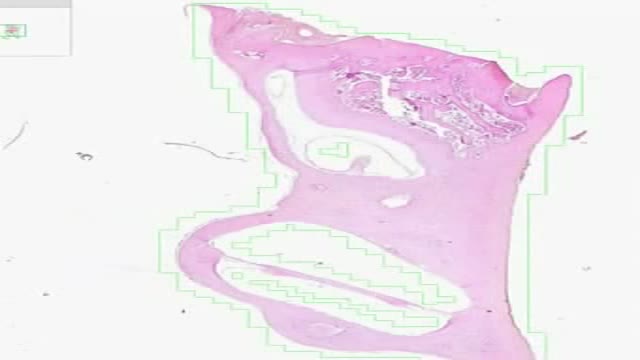
Histology of Inner Ear 2
INVIVO
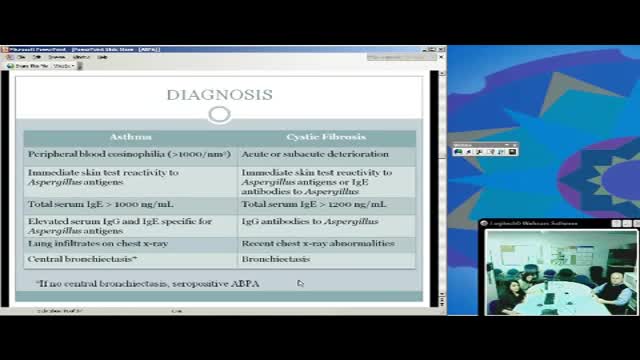
Allergic bronchopulmonary aspergillosis (ABPA) is a condition characterised by an exaggerated response of the immune system (a hypersensitivity response) to the fungus Aspergillus (most commonly Aspergillus fumigatus). It occurs most often in patients with asthma or cystic fibrosis.
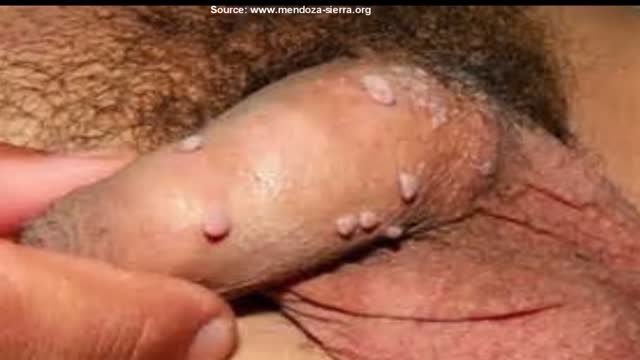
Genital warts are one of the most common types of sexually transmitted infections. At least half of all sexually active people will become infected with human papillomavirus (HPV), the virus that causes genital warts, at some point during their lives. Women are somewhat more likely than men to develop genital warts. As the name suggests, genital warts affect the moist tissues of the genital area. Genital warts may look like small, flesh-colored bumps or have a cauliflower-like appearance. In many cases, the warts are too small to be visible. Like warts that appear elsewhere on your body, genital warts are caused by the human papillomavirus (HPV). Some strains of genital HPV can cause genital warts, while others can cause cancer. Vaccines can help protect against certain strains of genital HPV
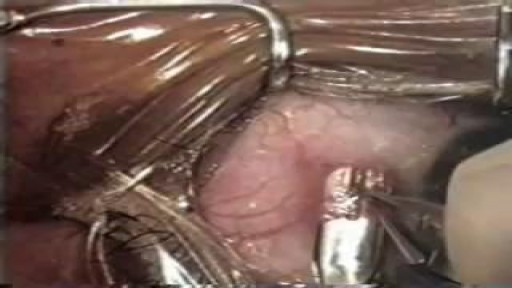
Procedure showing how to implant jewelry in the eye

During 34 week of pregnancy, the baby is getting ready for delivery, you may feel less wriggling and kicking. Watch out this video to learn more about being 34 weeks pregnant.
