
- Physical Examination
- Surgical Examination
- Ophthalmology
- Clinical Skills
- Orthopedics
- Surgery Videos
- Laparoscopy
- Pediatrics
- Funny Videos
- Cardiothoracic Surgery
- Nursing Videos
- Plastic Surgery
- Otorhinolaryngology
- Histology and Histopathology
- Neurosurgery
- Dermatology
- Pediatric Surgery
- Urology
- Dentistry
- Oncology and Cancers
- Anatomy Videos
- Health and Fitness
- Radiology
- Anaesthesia
- Physical Therapy
- Pharmacology
- Interventional Radiology
- Cardiology
- Endocrinology
- Gynecology
- Emergency Medicine
- Psychiatry and Psychology
- Childbirth Videos
- General Medical Videos
- Nephrology
- Physiology
- Diet and Food Health
- Diabetes Mellitus
- Neurology
- Women Health
- Osteoporosis
- Gastroenterology
- Pulmonology
- Hematology
- Rheumatology
- Toxicology
- Nuclear Medicine
- Infectious Diseases
- Vascular Disease
- Reproductive Health
- Burns and Wound Healing
- Other
Top videos
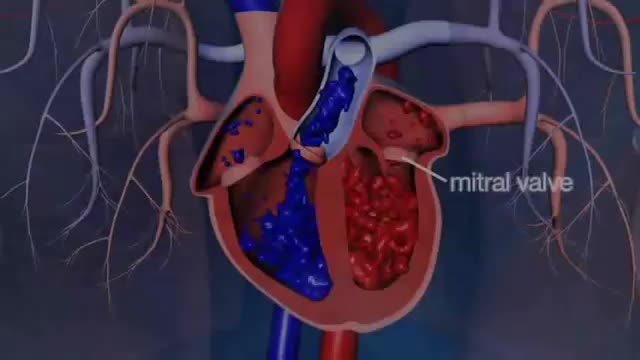

Dr. Glenn Barnhart explains the symptoms of mitral valve regurgitation such as becoming short of breath. There are five structures of the mitral valve: annulus, leaflet tissue, chordae tendineae, papillary muscles, and left ventricle. All of these are taken into consideration when the mitral valve is leaking and not working right. There are four degrees of mitral valve regurgitation: mild, moderate, moderately severe,.
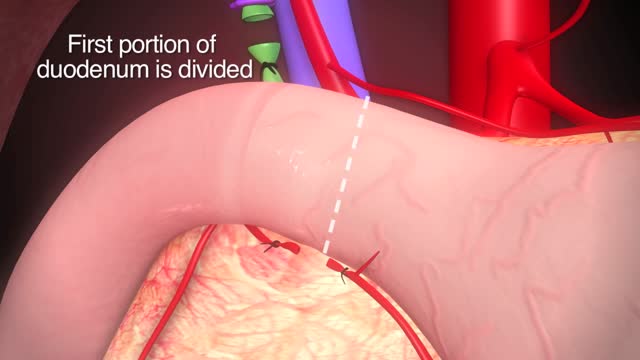
TPIAT is a procedure that lets surgeons remove the pancreas, take out islet cells, and put those islet cells into the liver.
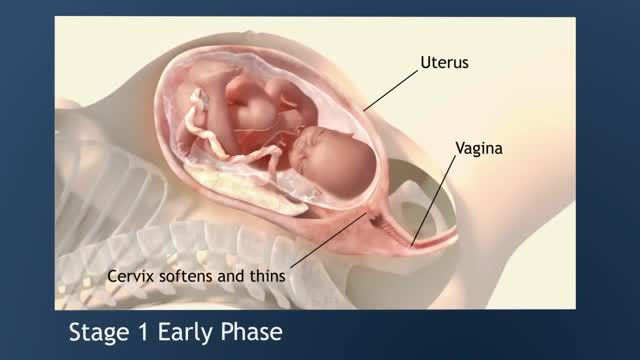
Early labour contractions usually feel like period pain, or you might experience a lower backache at 20 to 30 minute intervals. Sometimes these pains radiate from back to front, or vice versa. There's no need to start timing the contractions straight away – if they are mild contractions, ignore them. The first stage of labor is the longest and involves three phases: Early Labor Phase –The time of the onset of labor until the cervix is dilated to 3 cm. Active Labor Phase – Continues from 3 cm. until the cervix is dilated to 7 cm. Transition Phase – Continues from 7 cm. until the cervix is fully dilated to 10 cm.

Impaired awareness of illness (anosognosia) is a major problem because it is the single largest reason why individuals with schizophrenia and bipolar disorder do not take their medications. It is caused by damage to specific parts of the brain, especially the right hemisphere.
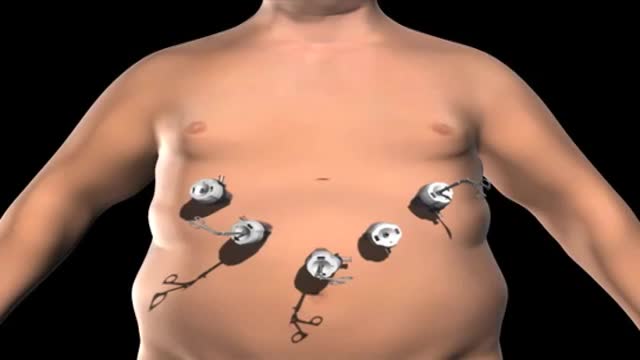
Super Obese individuals (people with a Body Mass Index over 45) have an increased risk during any surgery. And the longer the time under anesthesia, the greater the risk. Gastric bypass surgery can last over 2 hours. Duodenal switch surgery often takes over 4 hours. That’s a long time to be under anesthesia.
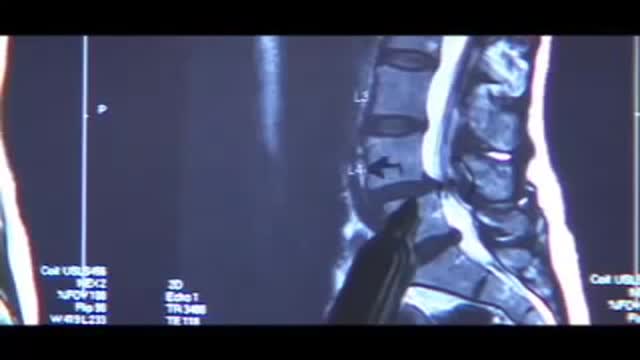
Instead of permanently joining (fusing) vertebrae with metal rods and screws, and therefore restricting movement, the new procedure uses the Anatomic Facet Replacement System (AFRS) device that attaches to each of two adjacent vertebrae with a movable joint that mimics the spine's natural joint.
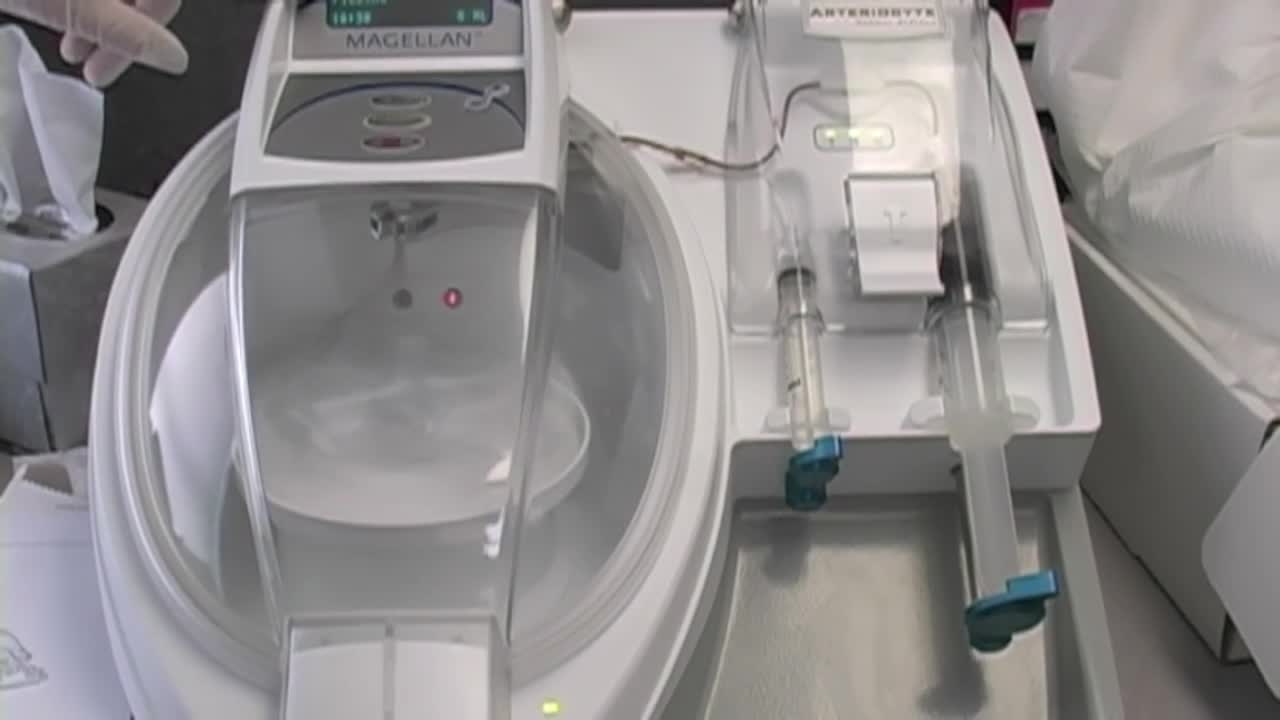
Stem Cell Injection Treatment - Stem Cell Therapy

What happens when you wear High Heels. SHOW MORE
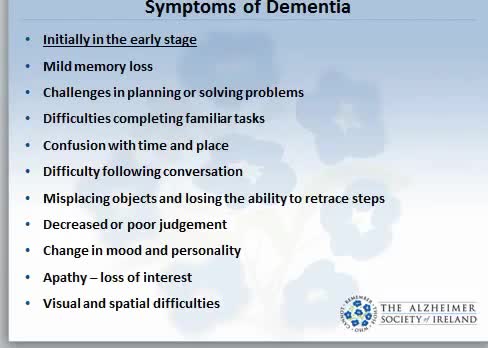
Dementia is not a specific disease. It's an overall term that describes a wide range of symptoms associated with a decline in memory or other thinking skills severe enough to reduce a person's ability to perform everyday activities. Alzheimer's disease accounts for 60 to 80 percent of cases. Vascular dementia, which occurs after a stroke, is the second most common dementia type. But there are many other conditions that can cause symptoms of dementia, including some that are reversible, such as thyroid problems and vitamin deficiencies.
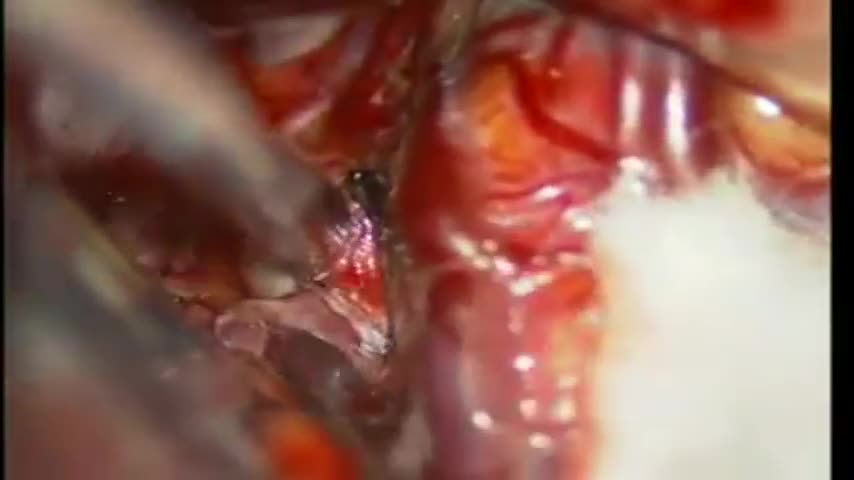
in this patient the aneurysm wasarising from middle cerebral artery M1 segment dividng into three branches,it is mandatory topreserve all three divisions,as was done in this case,this pt 25 yrs young man presented with sub arachnoid haemorrhage
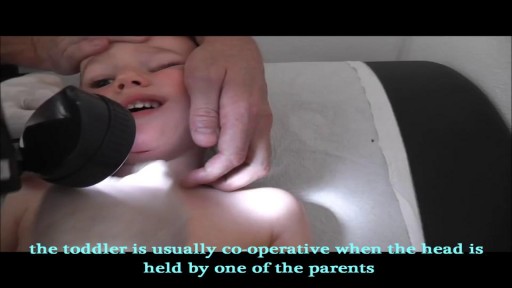
Human Glue used to repair a cut in the chin of a toddler

- with these 4 moves you can firm, lift and tone.
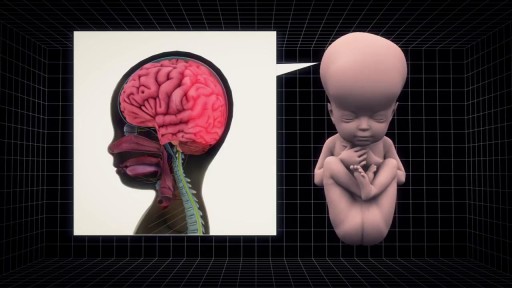
Hydrocephalus can be fatal if left untreated. The damage to the brain can cause headaches, vomiting, blurred vision, cognitive problems, and walking difficulties. The term water on the brain is incorrect, because the brain is surrounded by CSF (cerebrospinal fluid), and not water.Oct 8, 2015
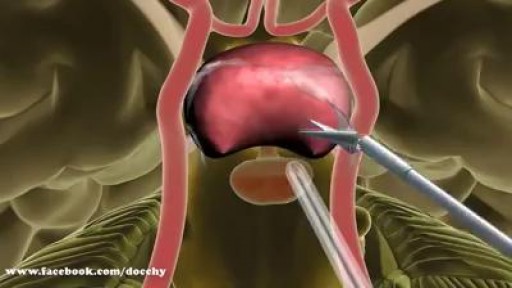
Minimally Invasive Brain Surgery To Remove Brain Tumors.

Watch as this wireless brain implant allows a paralyzed monkey to walk again
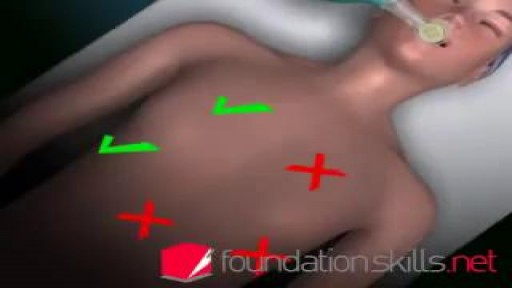
Endotracheal intubation is a medical procedure in which a tube is placed into the windpipe (trachea) through the mouth or nose. In most emergency situations it is placed through the mouth. Whether you are awake (conscious) or not awake (unconscious), you will be given medicine to make it easier to insert the tube. After endotracheal intubation, you will likely be placed on a breathing machine. If you are awake after the procedure, your health care provider may give you medicine to reduce your anxiety or discomfort.
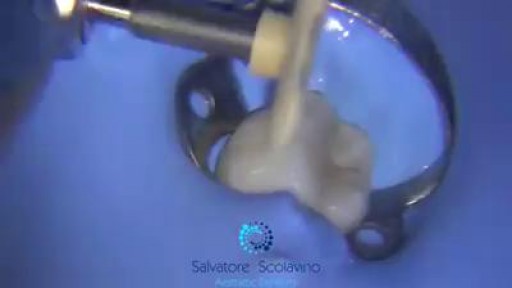
Occlusal Stamp Technique.Make Occlusal Anatomy Easily
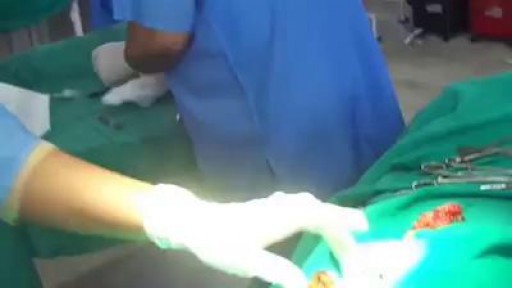
Lipomas are single or multiple, benign subcutaneous tumors that are easily recognized because they are soft, rounded, or lobulated and movable against the overlying skin. Many lipomas are small but may also enlarge to 6 cm. They occur especially on the neck, trunk, and on the extremities but can occur anywhere on the body. Lipomas are composed of fat cells that have the same morphology as normal fat cells, and there is a connective tissue framework. Angiolipomas have a vascular component and may be tender in cold ambient temperature. These often require excision, whereas other lipomas should be excised only when considered disfiguring. Liposuction can also be performed when liposomas are soft and thus have only a minor connective tissue component.
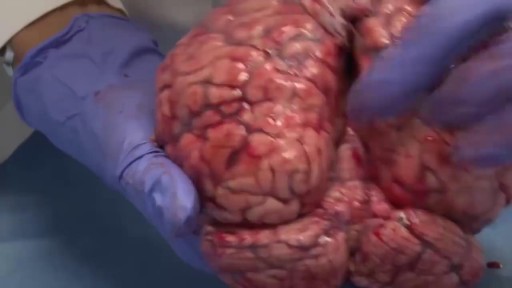
This is how the real brain looks like. Very flexible like Jelly!

Most minor cuts can be treated at home -- but do you know when you should see a doctor?
