
- Physical Examination
- Surgical Examination
- Ophthalmology
- Clinical Skills
- Orthopedics
- Surgery Videos
- Laparoscopy
- Pediatrics
- Funny Videos
- Cardiothoracic Surgery
- Nursing Videos
- Plastic Surgery
- Otorhinolaryngology
- Histology and Histopathology
- Neurosurgery
- Dermatology
- Pediatric Surgery
- Urology
- Dentistry
- Oncology and Cancers
- Anatomy Videos
- Health and Fitness
- Radiology
- Anaesthesia
- Physical Therapy
- Pharmacology
- Interventional Radiology
- Cardiology
- Endocrinology
- Gynecology
- Emergency Medicine
- Psychiatry and Psychology
- Childbirth Videos
- General Medical Videos
- Nephrology
- Physiology
- Diet and Food Health
- Diabetes Mellitus
- Neurology
- Women Health
- Osteoporosis
- Gastroenterology
- Pulmonology
- Hematology
- Rheumatology
- Toxicology
- Nuclear Medicine
- Infectious Diseases
- Vascular Disease
- Reproductive Health
- Burns and Wound Healing
- Other
Top videos


The cervix is fully dilated to about 10 cm,with the baby's head moving beyond the cervical opening , into the birth canal. The mother is encouraged to push during contractions,and rest in between them. In a normal delivery, the head rotates to face the mother's back

In this video I show the steps to give a woman a full body energy orgasm without even touching her.
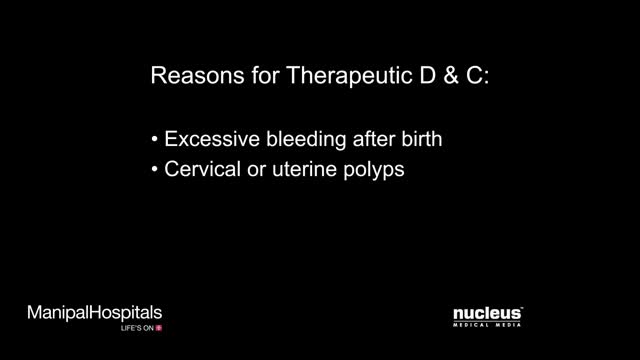
Dilation and curettage (D&C) is a procedure to remove tissue from inside your uterus. Doctors perform dilation and curettage to diagnose and treat certain uterine conditions — such as heavy bleeding — or to clear the uterine lining after a miscarriage or abortion. In a dilation and curettage — sometimes spelled "dilatation" and curettage — your doctor uses small instruments or a medication to open (dilate) your cervix — the lower, narrow part of your uterus. Your doctor then uses a surgical instrument called a curette to remove uterine tissue. Curettes used in a D&C can be sharp or use suction

Recto-vaginal medical examination
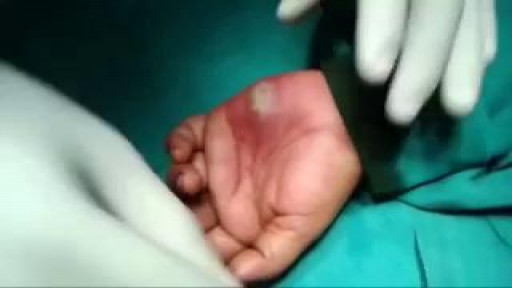
Draining a Hand Abscess
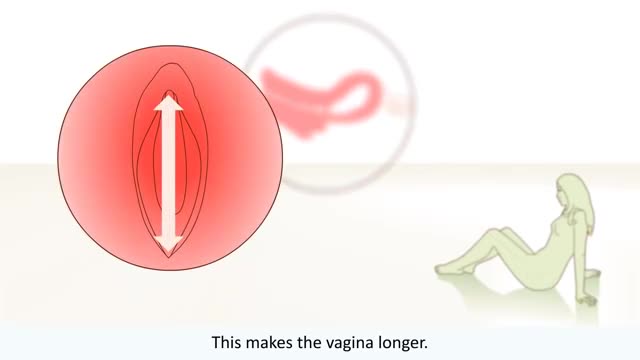
The big bang is the moment when the uterus, vagina, and anus contract simultaneously at 0.8-second intervals. A small orgasm may consist of three to five contractions; a biggie, 10 to 15. Many women report feeling different kinds of orgasms
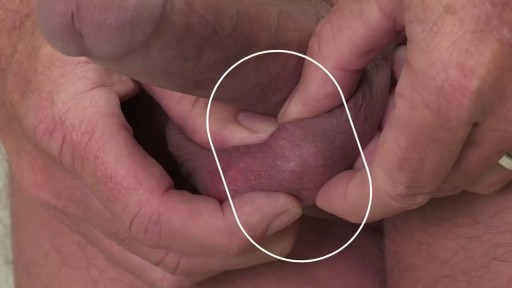
Penile implants are devices placed inside the penis to allow men with erectile dysfunction (ED) to get an erection. Penile implants are typically recommended after other treatments for ED fail. There are two main types of penile implants, semirigid and inflatable.
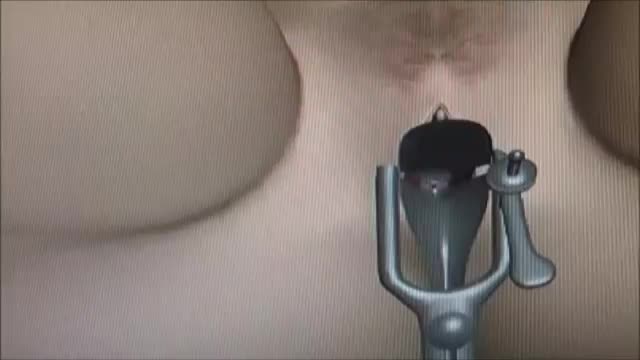
A Pap smear (Papanicolau smear; also known as the Pap test) is a screening test for cervical cancer. The test itself involves collection of a sample of cells from a woman's cervix (the end of the uterus that extends into the vagina) during a routine pelvic exam
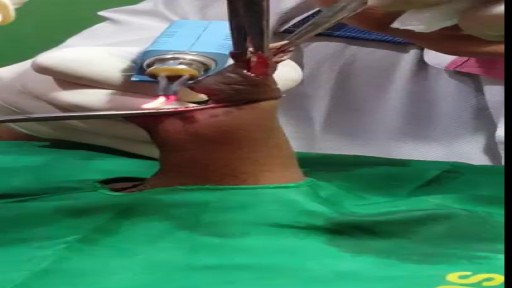
Laser Circumcision
A great video showing the multiple presentations of the baby which the doctor may encounter while delivery like breech presentation..etc
A video showing the process of childbirth via vaginal delivery.

Acclaimed sexologist Hanny Lightfoot-Klein, author of several highly illuminating books on genital mutilation, discusses compromises in orgasm after male circumcision. Also commenting is cultural anthropologist James De Meo.From the groundbreaking documentary film, "Whose Body, Whose Rights?"
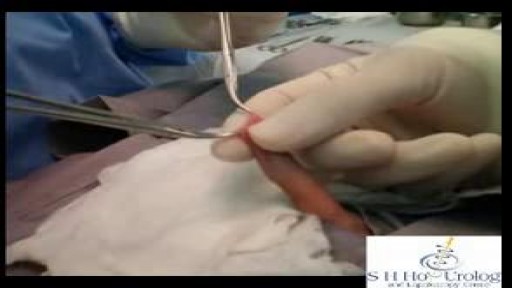
"The act of cutting off the prepuce or foreskin of males, or the internal labia of females." Webster's Revised Unabridged Dictionary (1913)

Morning erections have colloquially been termed as “morning wood” while scientifically it is called nocturnal penile tumescence. It is a normal and healthy physiological reaction and response that most men experience in their lives. Morning erections are really the ending of a series of erections that happen to men during the night. Healthy men can, on average, have anywhere between three to five erections in a full night of sleep, each of which lasts from 25-35 minutes.
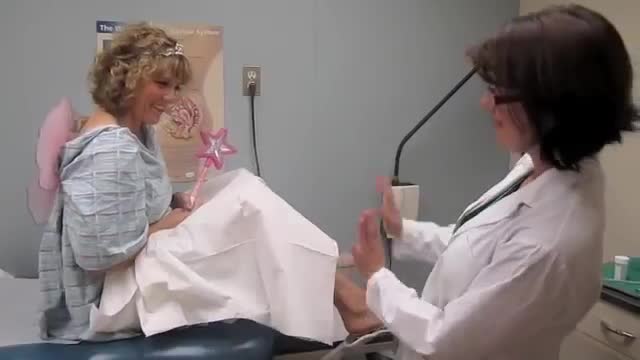
-A finding of ASC on cytology requires further investigation to exclude precancerous lesions. Recommendations differ for women age 21 -24 and those age ;::25. For women age 21 -24 with ASCUS or low-grade squamous intraepitheliallesion (LSIL), current guidelines recommend repeating Pap smear in one year. In this younger patient population, HPV infection is transient and malignant transformation is rare. Therefore, colposcopy is not performed unless the patient demonstrates ASC-US or LSIL on 3
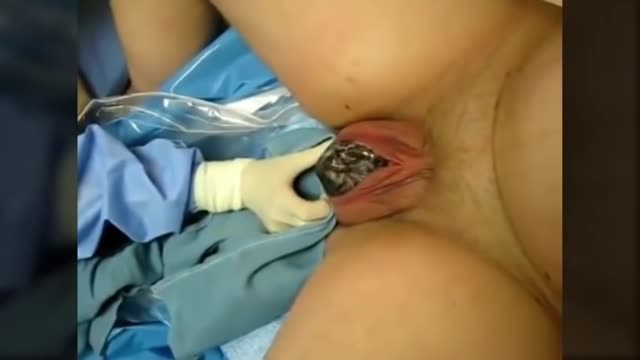
childbirth twin baby
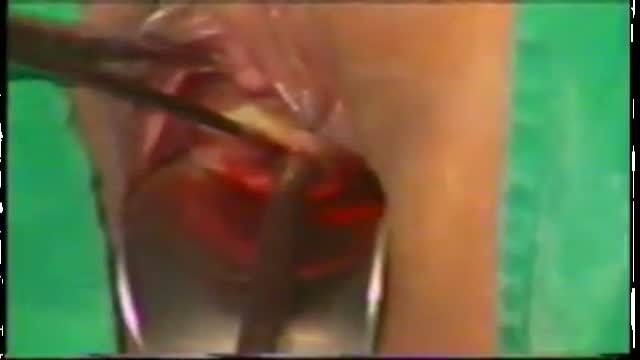
The dilatation and Curettage procedure that is commonly performed (D and C)Part 2

Shave Your Pubic Hair
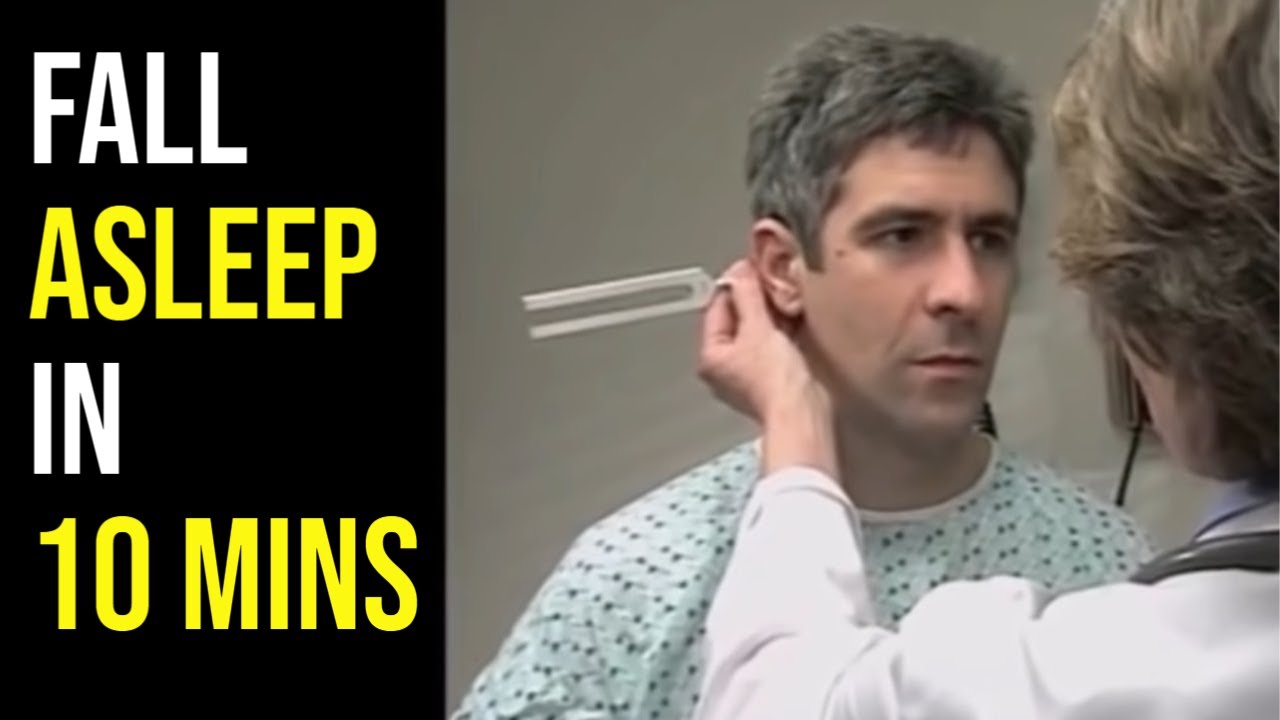
The MORE subscribers we have the MORE unintentional ASMR videos we can post, so please SUBSCRIBE http://bit.ly/UASMR, hit that 🔔 and LIKE this video for more medical exam ASMR like this! So... here is the BEST medical exam ASMR on YouTube edited specifically for unintentional ASMR to become the best video to help fall asleep at night. Our medical exam ASMR playlist: http://bit.ly/MedicalASMR
🔴 Support the channel and get access to extra perks by becoming a member here: https://www.youtube.com/channe....l/UCWCk81c_nQOsm5M-x
Try out the MOST comfortable sleep mask I've ever worn here ➜ https://bit.ly/MantaDiscount.
Prefer SOOTHING music for sleep? Here's what I use ➜ https://bit.ly/3lOPqe2
This hour long medical exam has a quiet doctor performing a routine medical exam with minimal talking. The video is 100% accidental ASMR and features a real doctor doing a head to toe assessment. This is honestly one of the best medical exam ASMR videos and on my all time favourite unintentional ASMR videos. This audio for this video has been significantly edited for maximum ASMR.
EXCLUSIVE: You can get 10% off any SleepPhones products with the code SLEEPNOW here: https://bit.ly/2YrrKQC
For the best unintentional ASMR and sleep aid videos we can't post here see http://ineedtosleepnow.com/
Medical ASMR: http://bit.ly/MedicalASMR
Female ASMR: http://bit.ly/FemaleASMR
Best of the best: http://bit.ly/BestUnintentionalASMR
Celeb ASMR: http://bit.ly/CelebASMR
Show and tell ASMR: http://bit.ly/ShowTellASMR
Relaxing interviews: http://bit.ly/InterviewsASMR
Original un-edited videos:
Part 1: https://youtu.be/S5tK3Ikb7ug
Part 2: https://youtu.be/m_-ALfUmmiA
WHAT IS UNINTENTIONAL ASMR?
https://ineedtosleepnow.com/what-is-u...
💤 For MORE of the Best (Intentional) ASMR videos on YouTube click here: https://goo.gl/mTsEBN
🙂 Finding, editing and uploading these videos does take some time and I try to upload a new video each night. If you find these videos useful, please consider supporting us by doing your Amazon shopping through our affiliate link: https://www.amazon.ca/shop/pur....eunintentionalasmrby
Best Microphone for recording ASMR: https://amzn.to/34WJhn2
▬▬▬▬▬▬▬▬▬▬▬▬▬▬▬▬▬▬▬▬▬▬▬▬▬
WANT TO MAKE A RECOMMENDATION? Contact us via:
Facebook ► https://www.facebook.com/uASMR/
Twitter ► https://twitter.com/AccidentalASMR
Instagram ► https://www.instagram.com/pureunintentionalasmr/
See what's coming next by checking out our FB group: https://www.facebook.com/groups/1649835798657192/
🔴 In case this channel is removed, please subscribe to our newsletter for updates on new videos locations: http://eepurl.com/ds-orr. We will never email you about anything other than a new channel.
▬▬▬▬▬▬▬▬▬▬▬▬▬▬▬▬▬▬▬▬▬▬▬▬▬
More of the Pure ASMR channels:
Pure ASMR: http://bit.ly/PureASMR and hit that 🔔.
Pure Unintentional ASMR 2: https://bit.ly/PureUASMR2
Pure Natural ASMR: http://bit.ly/NatureASMR
Pure Audiobook ASMR: http://bit.ly/AudiobookChannel
Purr ASMR: http://bit.ly/CatASMR
▬▬▬▬▬▬▬▬▬▬▬▬▬▬▬▬▬▬▬▬▬▬▬▬▬
NOTE: This video is being shared for #unintentionalASMR reasons only. The video has been edited from its original format for this purpose.
WHAT IS ASMR? http://ineedtosleepnow.com/what-is-asmr
ASMR definition: http://ineedtosleepnow.com/asmr-definition-what-is-the-definition-for-asmr
http://iNeedToSleepNow.com is a YouTube channel and website that curates calm softly spoken voices that serve as great unintentional #ASMR. This channel focuses primarily on soft speaking, calm softly spoken voices, unintentional ASMR interviews, relaxing voices, ASMR tingles and anything that helps you sleep.
Disclaimer: Some of these links are affiliate links where this channel could earn a small commission if you make a purchase. Shopping through these links is a great way to support the channel so we can keep making more videos for you. Thanks!

Surgical cutting and removal of a deep skin cyst Medical Videos
